

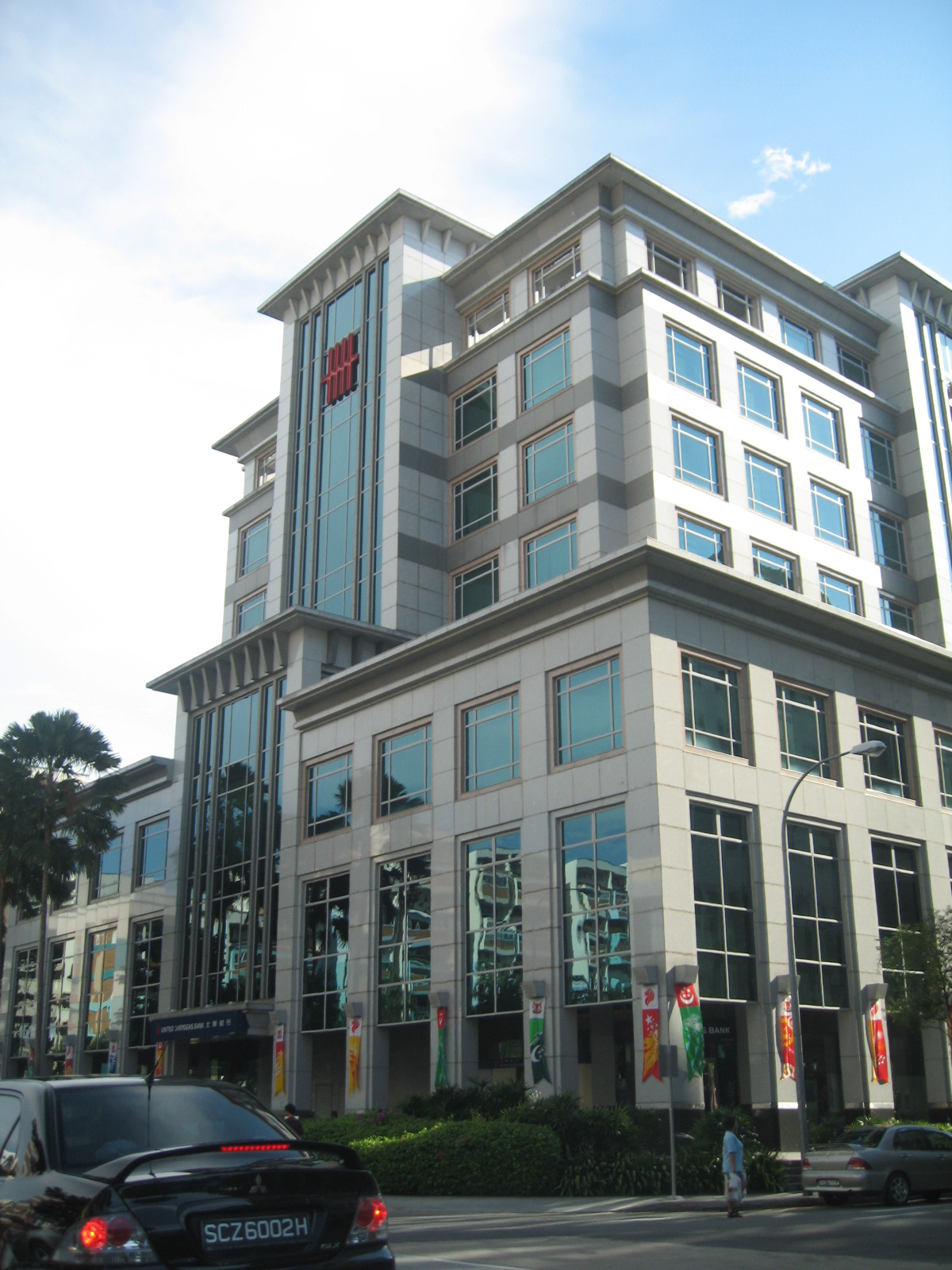

Quick Summary: UOB Stock Draws Investor Attention Amid Banking Sector Focus
- UOB’s net profit dipped 4% in Q1 2026 to S$1.44 billion, yet customer loans grew 4% to S$354 billion.
- CEO Wee Ee Cheong aims to double wealth income by 2030, focusing on converting 8.5 million ASEAN customers into fee income.
- The bank’s cross-border income made up 27% of wholesale banking income, highlighting its regional connectivity.
- Despite profit challenges, UOB is investing in AI and technology to enhance digital banking capabilities in ASEAN.
- Analysts remain cautious on UOB’s growth prospects due to regional and SME exposure.
Source: Read original article
United Overseas Bank (UOB) is at a crossroads, with its recent quarterly results revealing a 4% dip in profit. However, the real story isn’t just about numbers; it’s about strategy. UOB’s management is doubling down on ASEAN’s potential, aiming to convert its vast customer base into recurring fee income.
CEO Wee Ee Cheong has set an ambitious target to double the bank’s wealth income by 2030. This plan hinges on the integration of Citibank’s consumer business, which has expanded UOB’s reach to 8.5 million customers across the region. The bank’s focus is clear: shift from rate-driven profits to relationship-driven income, particularly in wealth management and trade finance.
Despite the profit dip, UOB’s regional connectivity remains a strong asset. Cross-border income accounted for 27% of wholesale banking income last year, and the bank facilitated over S$5.8 billion in foreign direct investment linked to the Johor-Singapore Special Economic Zone. Yet, skepticism persists. Analysts are wary of UOB’s exposure to regional and SME markets, which could be vulnerable to supply-chain disruptions and geopolitical tensions.
UOB is also investing heavily in technology, with 30,000 staff gaining access to Microsoft Copilot to boost digital banking capabilities. This move aligns with the bank’s strategy to enhance its advisory services across ASEAN. As Wee Ee Cheong puts it, the goal is to leverage ‘augmented intelligence’ rather than just artificial intelligence.
The coming months will be crucial for UOB as it seeks to prove that its ASEAN strategy can withstand economic headwinds and deliver sustainable growth. Investors and analysts will be watching closely to see if the bank can maintain momentum and capitalize on its expanded regional footprint.
5 million ASEAN customers into recurring fee income, with CEO Wee Ee Cheong setting a target of doubling wealth income by 2030 from the 2025 base. Bulls see a rare regional bank with deep Southeast Asia connectivity: UOB said cross-border income made up 27 per cent of wholesale banking income in FY2025, trade loans rose 26 per cent that year, and wealth management income climbed 14 per cent with high-net-worth AUM reaching S$201 billion.
Around 30,000 staff now have Microsoft Copilot access, according to The Asian Banker, and UOB has moved technology and innovation teams into Singapore’s Punggol Digital District as it tries to scale digital banking and advisory capabilities across ASEAN. 5 million-customer regional platform, a pivot that investors are now treating as the bank’s real next earnings test.
8 billion in foreign direct investment tied to the Johor-Singapore Special Economic Zone, evidence that its “regional connectivity” theme is being turned into deposits, FX, cash management and advisory revenue. ” Wee has said the bank will “stand by” SME clients and that it is “not the time to de-risk” from them, which raises the stakes if macro conditions worsen.
5 million-customer Citi platform and doubling wealth income by 2030. The next thing to watch is not a vote or hearing but execution: management is guiding to better momentum in the second half of 2026, helped by new wealth products, new tools and potential expansion of booking capabilities in Hong Kong to capture North Asia wealth flows.
3 per cent, a sign that the balance sheet remains sturdy even as earnings soften. 8 per cent, high-single-digit fee growth and low-single-digit operating cost growth, yet analysts largely stayed cautious with “hold” or “neutral” views.
5 million ASEAN customers into recurring fee income, with CEO Wee Ee Cheong setting a target of doubling wealth income by 2030 from the 2025 base. Around 30,000 staff now have Microsoft Copilot access, according to The Asian Banker, and UOB has moved technology and innovation teams into Singapore’s Punggol Digital District as it tries to scale digital banking and advisory capabilities across ASEAN.
The bank’s cross-border income made up 27% of wholesale banking income, highlighting its regional connectivity. United Overseas Bank (UOB) is at a crossroads, with its recent quarterly results revealing a 4% dip in profit.
8 billion in foreign direct investment linked to the Johor-Singapore Special Economic Zone. 5 million-customer regional platform, a pivot that investors are now treating as the bank’s real next earnings test.
44 billion, yet customer loans grew 4% to S$354 billion. UOB is also investing heavily in technology, with 30,000 staff gaining access to Microsoft Copilot to boost digital banking capabilities.
The scale and speed of this development has caught many observers off guard. Each new update adds another dimension to a story that is still unfolding, and the full picture will only become clear as more verified details emerge from the people and institutions directly involved.
Analysts who have tracked this issue closely say the current moment represents a genuine turning point. The decisions made in the coming weeks are expected to set the direction for months ahead, with ripple effects likely to extend well beyond the immediate actors in the story.
For those directly affected, the practical impact is already visible. People navigating this fast-changing situation are dealing with real consequences while new information continues to reshape what is known and what remains open to interpretation.
Historical parallels offer some context, though experts caution against drawing too close a comparison. Similar situations have played out before, but the specific combination of pressures, personalities, and timing here makes this moment distinct in ways that matter for how it ultimately resolves.
The political and economic dimensions of this story are deeply intertwined. What appears as a single event on the surface is in practice the convergence of multiple pressures that have been building quietly over a longer period than most public reporting has captured.