


Summary
- A US military drug boat strike in the eastern Pacific resulted in two deaths during an anti-trafficking operation.
- The strike is part of a broader campaign targeting suspected smuggling vessels across Latin American waters.
- The total reported death toll from similar operations has crossed 180, drawing international scrutiny.
- Critics question the lack of public evidence confirming drug activity on targeted vessels.
- Legal experts warn the operations could raise serious international law and human rights concerns.
Article
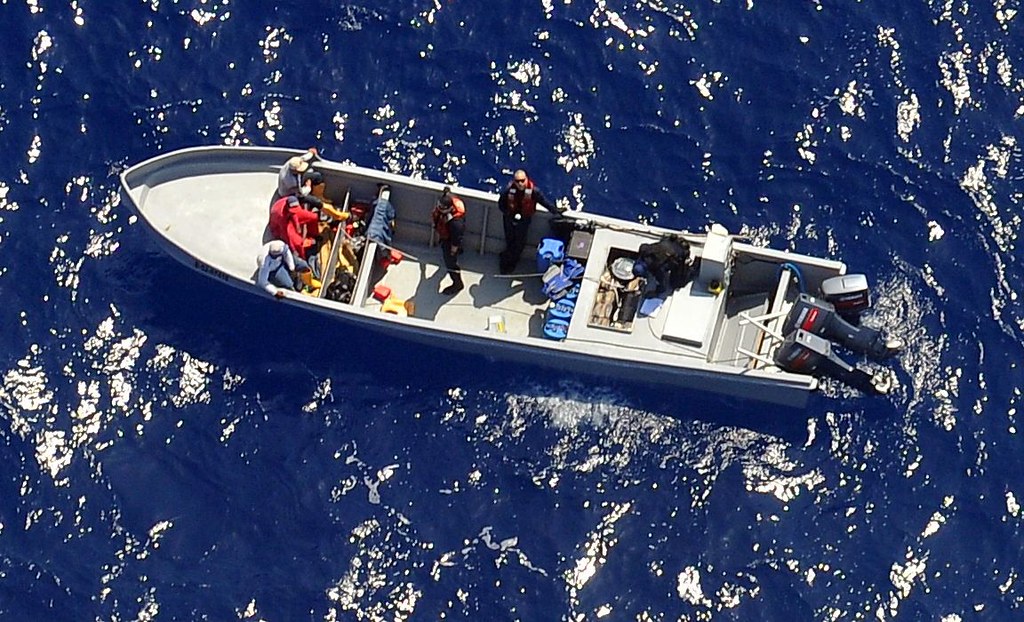
A US military drug boat strike killed two individuals in the eastern Pacific Ocean, according to officials familiar with the operation. The incident marks the latest development in a series of aggressive actions targeting vessels suspected of involvement in drug trafficking networks.
The US military drug boat strike occurred along established maritime routes often linked to illegal smuggling activities. Authorities said surveillance assets identified the vessel before it was engaged and destroyed, resulting in fatalities. Officials have not released detailed information about the identities of those killed or the exact nature of the vessel’s activities.
The US military drug boat strike has drawn attention due to its place within a larger campaign that has expanded significantly in recent months. Since the initiative began, dozens of similar operations have been carried out across both the Pacific Ocean and Caribbean Sea, targeting boats believed to be connected to narcotics trafficking.
Expanding Scope of the US Military Drug Boat Strike Campaign
The US military drug boat strike campaign represents a notable shift in how authorities are addressing maritime drug trafficking. Traditionally, such operations involved interception and arrest, but the recent approach has increasingly relied on direct military action.
Officials argue that the US military drug boat strike strategy is necessary to disrupt supply chains before narcotics reach North America. According to defense sources, these operations are designed to target high-risk vessels that evade conventional law enforcement methods.
The US military drug boat strike has become part of a broader security framework that includes intelligence-sharing, aerial surveillance, and naval patrols. This integrated approach is aimed at identifying and neutralizing suspected trafficking routes in real time.
However, the growing frequency of the US military drug boat strike has raised questions among analysts about whether the strategy is sustainable and effective over the long term.
Questions Over Evidence and Target Identification
One of the most significant concerns surrounding the US military drug boat strike is the lack of publicly available evidence confirming that targeted vessels were carrying illegal substances.
Critics argue that without clear verification, the US military drug boat strike risks harming civilians who may not be involved in criminal activities. Fishermen and small-scale operators often use similar routes, making it difficult to distinguish between legitimate and illicit vessels.
The absence of transparent reporting has fueled skepticism about the criteria used to authorize a US military drug boat strike. Observers have called for independent oversight or international monitoring to ensure accountability.
Supporters of the campaign, however, maintain that intelligence used in a US military drug boat strike is highly classified and cannot always be disclosed without compromising ongoing operations.
Strategic Rationale Behind the Operations
The US military drug boat strike initiative is rooted in a broader effort to combat drug trafficking organizations that operate across international waters. Officials have emphasized that these groups are highly organized and often heavily armed, posing significant challenges to traditional enforcement methods.
Under this framework, the US military drug boat strike is intended to act as a deterrent, signaling that maritime routes used for smuggling will face immediate and forceful disruption.
Authorities also link the US military drug boat strike campaign to efforts aimed at curbing the flow of synthetic drugs, including fentanyl, into the United States. The strategy reflects a growing emphasis on stopping narcotics at their source rather than relying solely on domestic enforcement.
Despite these goals, some experts question whether the US military drug boat strike can effectively dismantle complex trafficking networks that quickly adapt to changing conditions.
Legal and Human Rights Concerns
The use of lethal force in a US military drug boat strike has sparked debate among legal scholars and human rights advocates. Critics argue that such actions may conflict with international law, particularly when conducted outside recognized conflict zones.
Concerns have been raised that a US military drug boat strike could be interpreted as an extrajudicial action if it results in deaths without due process. Human rights organizations have called for clearer guidelines governing the use of force in maritime operations.
Legal experts also point to the importance of proportionality and necessity in evaluating a US military drug boat strike. Without transparent justification, these operations risk undermining established legal frameworks.
Officials, however, insist that each US military drug boat strike is conducted within the bounds of applicable law and follows strict operational protocols.
Regional Impact and Geopolitical Implications
The expansion of the US military drug boat strike campaign has broader implications for Latin America and neighboring regions. Increased military presence in key maritime zones has heightened tensions among some countries, particularly those concerned about sovereignty and jurisdiction.
The US military drug boat strike has also coincided with a wider security buildup, reflecting Washington’s focus on combating transnational crime. Analysts note that this approach could reshape regional cooperation on law enforcement and defense.
At the same time, the US military drug boat strike may influence how other nations respond to drug trafficking challenges. Some governments may adopt similar strategies, while others may push for alternative approaches emphasizing cooperation and economic development.
Debate Over Effectiveness
The effectiveness of the US military drug boat strike remains a subject of ongoing debate. Supporters argue that the operations have disrupted key smuggling routes and sent a strong message to trafficking organizations.
Critics, however, question whether the US military drug boat strike addresses the root causes of drug trafficking, such as demand, poverty, and organized crime networks. They warn that without a comprehensive strategy, the impact of these operations may be limited.
The growing death toll associated with the US military drug boat strike campaign has also intensified scrutiny, with calls for more detailed reporting and evaluation of outcomes.
Human Dimension of the Conflict
Beyond strategic and legal considerations, the US military drug boat strike highlights the human cost of anti-trafficking efforts. Families of those affected may face uncertainty and hardship, particularly in regions where economic opportunities are limited.
The US military drug boat strike has brought renewed attention to the challenges faced by communities along major trafficking routes. Experts emphasize the need for balanced policies that address both security concerns and humanitarian considerations.
Looking Ahead
As the US military drug boat strike campaign continues, policymakers are likely to face increasing pressure to provide clarity on objectives, methods, and outcomes.
The future of the US military drug boat strike will depend on how authorities balance enforcement with transparency and accountability. International reactions may also play a role in shaping the direction of these operations.
With global attention focused on the issue, the US military drug boat strike is expected to remain a key topic in discussions about security, law, and regional stability.
Conclusion
The US military drug boat strike campaign continues to shape the global conversation around maritime security and anti-trafficking enforcement. While officials present these operations as a necessary step to disrupt organized crime and limit the flow of illegal drugs, the growing number of incidents has intensified scrutiny from legal experts, policymakers, and international observers.
At the same time, the lack of publicly available evidence and limited transparency surrounding each US military drug boat strike has raised concerns about accountability and the potential risk to civilian lives. Questions about legality, proportionality, and long-term effectiveness remain central to the debate, especially as the campaign expands across critical waterways.
As this strategy evolves, its broader impact on regional stability and international law will likely remain under close watch. The future of the US military drug boat strike approach will depend on whether authorities can balance enforcement objectives with transparency, legal standards, and humanitarian considerations in an increasingly complex global environment.
For more updates, read the latest news on Digital Chew.