

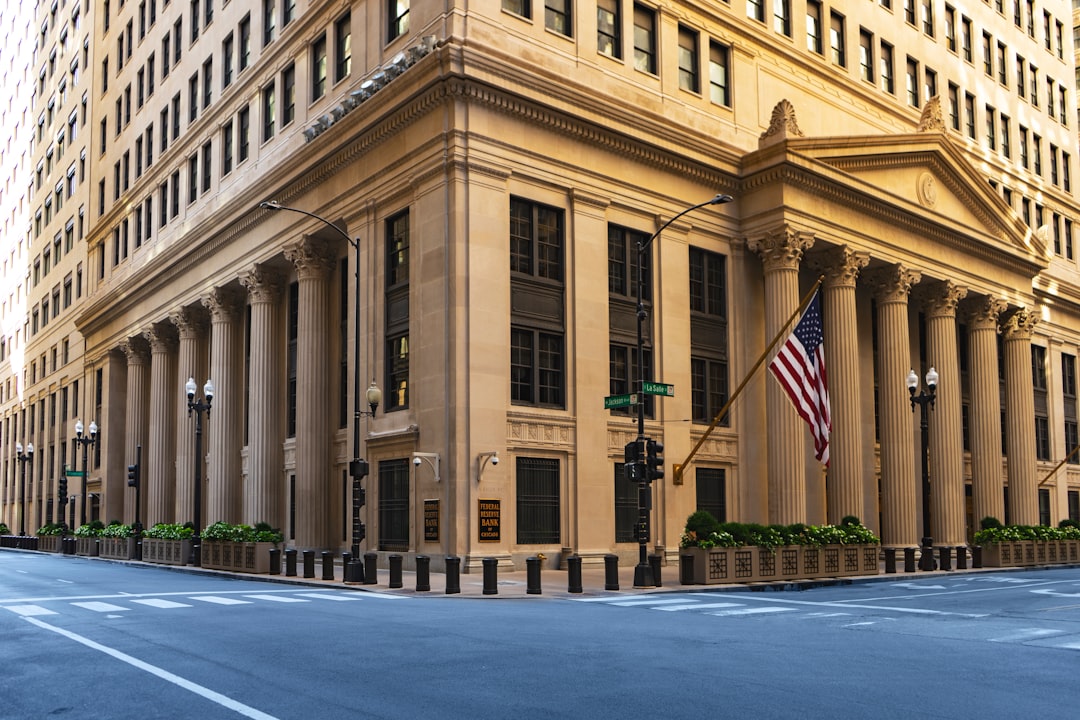

Quick Summary: Federal Reserves New Approach Under Warsh Stirs Market Volatility
- Kevin Warsh’s first policy meeting held rates steady at 3.5% to 3.75% — this signaled potential rate hikes, reversing earlier expectations of cuts.
- Warsh’s retreat from forward guidance has made investors brace for sharp market moves — creating uncertainty in financial markets.
- The Federal Open Market Committee showed a split, with nine officials anticipating a rate increase by year-end — highlighting internal disagreements.
- Market reactions were immediate, with U.S. stocks falling post-meeting — reflecting trader anxiety over unclear Fed direction.
- Warsh emphasized market prices as key information for central bankers — a shift from the Fed’s post-2008 communication strategy.
Source: Open external resource
Source: Read original article
Kevin Warsh’s debut as the Federal Reserve’s leader has thrown the financial world into a whirlwind. By stripping away the Fed’s traditional forward guidance, Warsh has left investors scrambling to decipher the central bank’s next move. This sudden shift comes as the Fed holds its benchmark rate steady, yet hints at potential hikes—a stark reversal from the anticipated cuts earlier this year. Warsh’s is at the center of this development.
Warsh’s decision to retreat from clear guidance has left markets on edge, with traders bracing for volatility. The Federal Open Market Committee’s latest meeting revealed a deep divide: while some members foresee rate hikes, others argue for holding or even cutting rates. This internal discord underscores the uncertainty now gripping financial markets.
In a break from past norms, Warsh has signaled that market prices will guide Fed decisions more than pre-set paths. This approach marks a significant departure from the Fed’s post-2008 practice of telegraphing plans well in advance. The market’s immediate reaction was telling—stocks tumbled as traders processed the Fed’s opaque stance.
As Warsh steps away from explicit guidance, investors are left to interpret every economic indicator and Fed official’s comment. This new era of a quieter Fed could mean more volatile markets and potentially higher rates, depending on upcoming inflation and labor data. Warsh’s gamble is clear: embrace market-driven decisions, even at the cost of increased uncertainty.
75%, but Washington Post reporting said nine of the 19 officials who participate in policy meetings penciled in at least one rate increase by year-end, up from zero in March. 75% but simultaneously signaled that rate hikes are now back on the table this year, a major reversal from the rate-cut expectations that dominated earlier in 2026.
” That is a notable break from the Fed’s post-2008 habit of carefully telegraphing its plans months ahead. Reuters added that markets had entered 2026 expecting cuts, only to flip toward pricing in a possible year-end hike after geopolitical shocks pushed oil prices and inflation expectations higher.
Investors will parse every speech from Warsh and every inflation reading over the next several weeks for signs of whether June’s hawkish turn hardens into an actual increase at a later 2026 meeting. Reuters reported on June 18 that investors are “bracing for sharp moves” because Warsh is retreating from forward guidance, while Axios reported that many Fed officials now anticipate raising rates this year.
The near-term timeline is clear: June 17 brought the hold and the new projections; June 18 produced the first wave of market analysis warning of a less predictable Fed; and the next major catalyst will be incoming inflation and labor-market data, because Warsh has given markets much less explicit guidance than his predecessors about the exact threshold for moving rates. “You might have already noticed something, a difference in today’s policy statement,” he said, according to CBS, signaling that the wording shift was intentional.
That matters because investors had become accustomed to dot plots, carefully massaged statements, and chairs who tried to smooth volatility rather than provoke it. Kevin Warsh’s first week running the Federal Reserve has produced a sharp new message from markets and policymakers alike: by stripping away some of the Fed’s usual guidance, he may have made investors less certain just as officials are leaning toward higher rates, not lower ones.
The Federal Open Market Committee’s latest meeting revealed a deep divide: while some members foresee rate hikes, others argue for holding or even cutting rates. This approach marks a significant departure from the Fed’s post-2008 practice of telegraphing plans well in advance.
75% but simultaneously signaled that rate hikes are now back on the table this year, a major reversal from the rate-cut expectations that dominated earlier in 2026. ” That is a notable break from the Fed’s post-2008 habit of carefully telegraphing its plans months ahead.
Reuters added that markets had entered 2026 expecting cuts, only to flip toward pricing in a possible year-end hike after geopolitical shocks pushed oil prices and inflation expectations higher. Reuters reported on June 18 that investors are “bracing for sharp moves” because Warsh is retreating from forward guidance, while Axios reported that many Fed officials now anticipate raising rates this year.
The scale and speed of this development has caught many observers off guard. Each new update adds another dimension to a story that is still unfolding, and the full picture will only become clear as more verified details emerge from the people and institutions directly involved.
Analysts who have tracked this issue closely say the current moment represents a genuine turning point. The decisions made in the coming weeks are expected to set the direction for months ahead, with ripple effects likely to extend well beyond the immediate actors in the story.
For those directly affected, the practical impact is already visible. People navigating this fast-changing situation are dealing with real consequences while new information continues to reshape what is known and what remains open to interpretation.
Historical parallels offer some context, though experts caution against drawing too close a comparison. Similar situations have played out before, but the specific combination of pressures, personalities, and timing here makes this moment distinct in ways that matter for how it ultimately resolves.
The political and economic dimensions of this story are deeply intertwined. What appears as a single event on the surface is in practice the convergence of multiple pressures that have been building quietly over a longer period than most public reporting has captured.