


Quick Summary: Why Wall Street Fell After the Fed’s Surprise Rate Outlook
- The Federal Reserve kept rates unchanged but projected at least one rate hike this year, surprising investors.
- Wall Street reacted with a 1.2% drop in the S&P 500 as traders adjusted to the new outlook.
- Inflation forecasts were raised to 3.6%, far above the Fed’s 2% target, suggesting persistent inflation pressures.
- UBS and Goldman Sachs adjusted their rate cut expectations, now forecasting cuts in 2027.
- SpaceX shares fell 4.9% amid broader market volatility following the Fed’s projections.
Source: Read original article
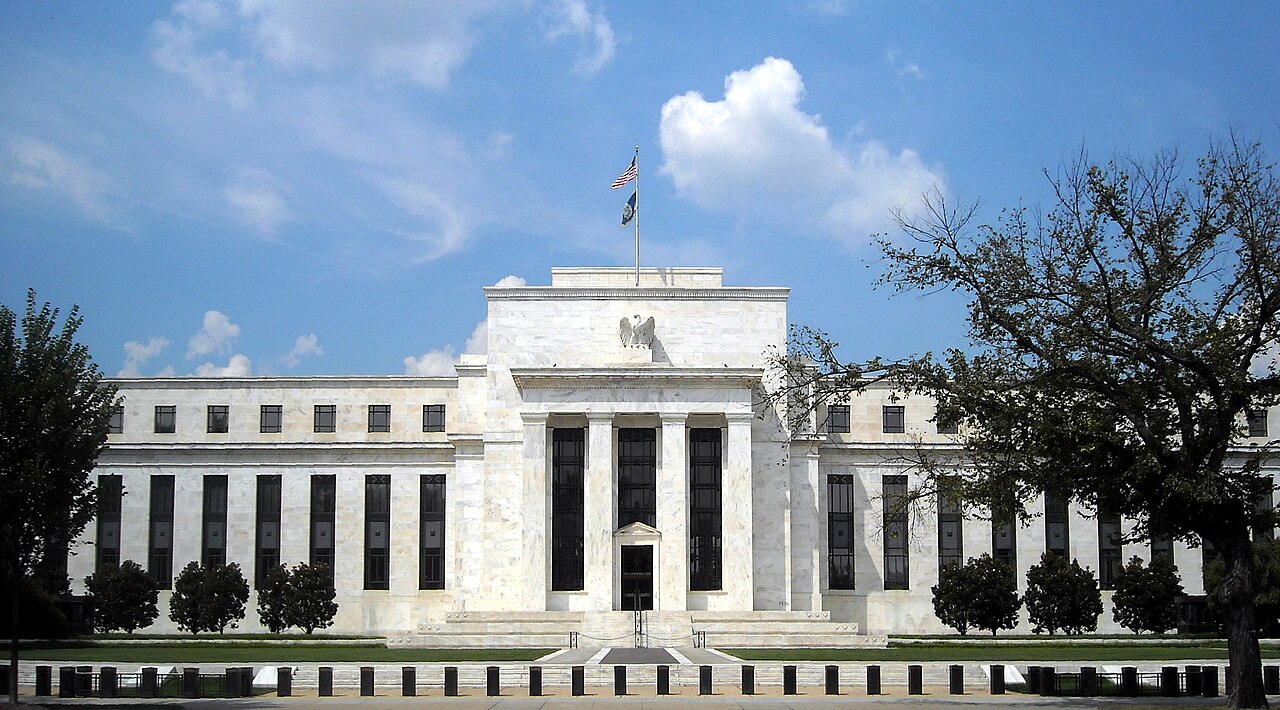
The Federal Reserve’s latest meeting has sent shockwaves through Wall Street, as the central bank signaled a potential rate hike this year. Investors, who had been anticipating rate cuts, were caught off guard by the Fed’s hawkish projections.
On June 17, the S&P 500 dropped 1.2% after the Fed revealed that nine out of eighteen policymakers foresee at least one rate increase in 2026. This unexpected shift has forced traders to reassess their strategies, with Treasury yields climbing and market sentiment turning cautious.
Inflation remains a key concern, with the Fed raising its end-2026 inflation forecast to 3.6%. This has fueled debates among policymakers and investors about the need for tighter monetary policy. Major financial institutions like UBS and Goldman Sachs have revised their forecasts, pushing expected rate cuts into 2027.
The market reaction underscores the fragility of investor confidence, as the possibility of rate hikes threatens to disrupt the year’s bullish momentum. SpaceX, a recent market darling, saw its shares fall nearly 5% amid the turmoil, highlighting the broader impact of the Fed’s stance.
As the year progresses, all eyes will be on upcoming inflation and labor-market data, which will play a crucial role in shaping the Fed’s policy decisions. The central debate now centers on whether the economy can withstand higher rates, as inflationary pressures persist.
2% after the Fed kept rates unchanged but released projections showing that 9 of 18 policymakers now foresee at least one rate increase this year, a major shift that jolted investors who had spent months looking for cuts instead. AP reported that Chair Kevin Warsh did not submit a projection for where the federal funds rate will end 2026, making his posture a central market mystery even as his colleagues hardened their stance.
inflation and labor-market data ahead of the Fed’s subsequent meetings, because if those numbers stay firm, traders and analysts who only days ago were talking about eventual cuts may be forced into a much more aggressive repricing of 2026. 7%, far above the central bank’s 2% target, while AP said a Wednesday retail-sales-style spending report showed stronger-than-expected May revenue growth, reinforcing the case that consumer demand remains resilient.
com said UBS now expects no Fed easing in 2026 and pushed its forecast for cuts to March and June 2027, while CME FedWatch probabilities cited in that report put the chance of a 25-basis-point hike in December at roughly 42% before the meeting’s full fallout was absorbed. UBS abandoned its prior expectation for 2026 cuts, and Reuters previously reported that Goldman Sachs had already moved its own first cut forecast into 2027, saying stronger activity “lowers the bar for a rate hike” because the economy looks sturdy enough to absorb one.
2% on June 17, Treasury yields climbed, and traders quickly repriced the odds of higher borrowing costs into year-end contracts. 6% in its own forecast leaves policymakers politically and economically able to stand pat.
The main people and institutions shaping the story are Kevin Warsh, the 18-member Federal Open Market Committee, and large Wall Street forecasters scrambling to update their calls. Reuters and AP both described the broader market backdrop as newly fragile even though major indexes are still up for the year, with earlier Reuters reporting putting the S&P 500 up about 8% and the Nasdaq up roughly 11% before this latest wobble.
2% after the Fed revealed that nine out of eighteen policymakers foresee at least one rate increase in 2026. 7%, far above the central bank’s 2% target, while AP said a Wednesday retail-sales-style spending report showed stronger-than-expected May revenue growth, reinforcing the case that consumer demand remains resilient.
UBS abandoned its prior expectation for 2026 cuts, and Reuters previously reported that Goldman Sachs had already moved its own first cut forecast into 2027, saying stronger activity “lowers the bar for a rate hike” because the economy looks sturdy enough to absorb one. 6%, far above the Fed’s 2% target, suggesting persistent inflation pressures.
UBS and Goldman Sachs adjusted their rate cut expectations, now forecasting cuts in 2027. SpaceX, a recent market darling, saw its shares fall nearly 5% amid the turmoil, highlighting the broader impact of the Fed’s stance.
The scale and speed of this development has caught many observers off guard. Each new update adds another dimension to a story that is still unfolding, and the full picture will only become clear as more verified details emerge from the people and institutions directly involved.
Analysts who have tracked this issue closely say the current moment represents a genuine turning point. The decisions made in the coming weeks are expected to set the direction for months ahead, with ripple effects likely to extend well beyond the immediate actors in the story.
For those directly affected, the practical impact is already visible. People navigating this fast-changing situation are dealing with real consequences while new information continues to reshape what is known and what remains open to interpretation.
Historical parallels offer some context, though experts caution against drawing too close a comparison. Similar situations have played out before, but the specific combination of pressures, personalities, and timing here makes this moment distinct in ways that matter for how it ultimately resolves.
The political and economic dimensions of this story are deeply intertwined. What appears as a single event on the surface is in practice the convergence of multiple pressures that have been building quietly over a longer period than most public reporting has captured.