


Quick Summary: Zohran Mamdani Influence Surge in Mayoral Races
- Zohran Mamdani, once demonized by both parties, now uses his mayoral platform to influence New York’s June 23, 2026, primary contests.
- AP reports from June 18, 2026, highlight Mamdani’s rally and his push into the New York primaries.
- On June 19, 2026, AP identifies a national trend of democratic socialists surging in mayoral races, including Janeese Lewis George’s breakthrough in Washington.
- Janeese Lewis George campaigns on government action, advocating for subsidized child care and community anti-crime programs.
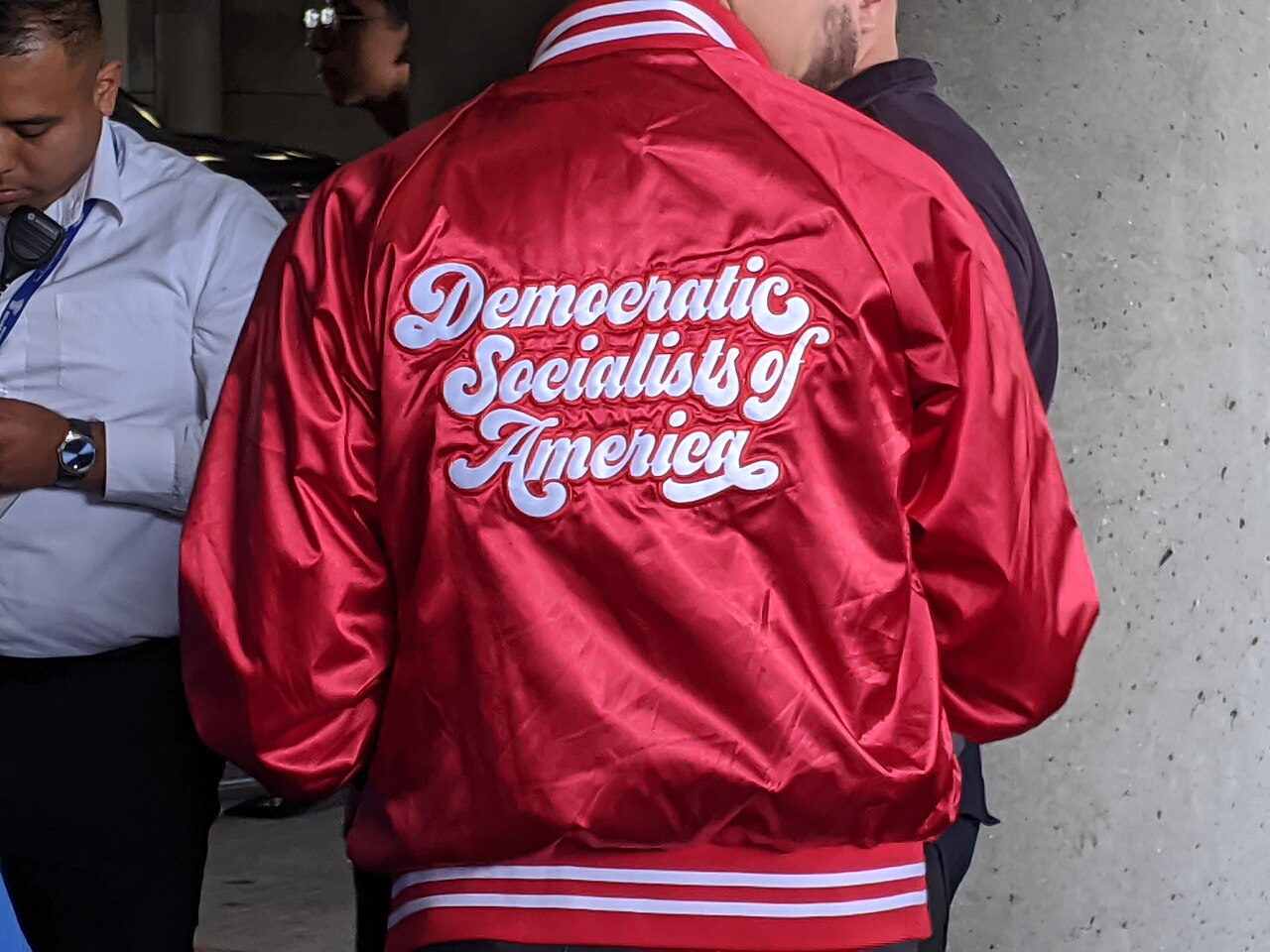
- The Democratic Socialists of America, with Mamdani and Lewis George, are seen as a growing political force challenging the Democratic establishment.
Source: Read original article
In a political landscape often dominated by centrist narratives, the rise of democratic socialists in mayoral races signals a seismic shift. Zohran Mamdani, once marginalized, now stands at the forefront, using his position as New York’s mayor to rally support for a slate of candidates who represent a bold new vision for the Democratic Party. His recent rally in Brooklyn was not just a call to action but a declaration of intent: the Democratic Party must evolve or face obsolescence.
Mamdani’s message is clear and confrontational, challenging the status quo with a promise of a more expansive, material agenda. This movement isn’t confined to New York. Janeese Lewis George’s success in Washington underscores a broader trend. Her campaign, focused on tangible government action like subsidized child care and community investment, resonates with voters tired of political inaction.
The Democratic Socialists of America, with figures like Mamdani and Lewis George at the helm, are no longer a fringe element. They are a formidable force, using electoral victories to push for systemic change. This is not just about winning elections; it’s about redefining what the Democratic Party stands for in the 21st century.
As the June 23 primaries approach, all eyes are on New York. The outcome will test whether this insurgent energy can translate into lasting political influence. If successful, it will send a clear message to national Democrats: adapt to this new reality or risk being left behind.
In New York, the reporting ties the current moment to Mamdani’s rise from a figure “demonized by leaders of both political parties” to a mayor using his office to shape Tuesday’s June 23, 2026 primary contests. On June 18, 2026, AP published the Mamdani rally report centered on his push into New York’s June 23 primaries.
On June 19, 2026, AP followed with a broader national piece arguing that democratic socialists are surging in mayoral races and identifying Lewis George’s Washington breakthrough as part of a wider trend. That is the reversal that makes the old Washington Post headline feel newly relevant: rather than being pacified, the socialist wing is using governing wins and primary organizing to press harder, at the exact moment national Democrats are still struggling to define a post-2024 identity.
Janeese Lewis George, now a key name in the national conversation, told AP, “People are tired of hearing what government can’t do. They want to hear what government can do,” while campaigning on subsidized or free child care, increased down-payment assistance and anti-crime investment through community programs.
That is a direct rebuttal to centrists who have long argued that democratic socialism is too ideologically rigid or too politically risky. The most newsworthy turn in the last 48 hours is the sense of momentum around an organized socialist bloc rather than a lone insurgent.
If Mamdani-backed candidates perform well on June 23 and if Lewis George consolidates her position heading into November, pressure will intensify on national Democrats to decide whether to accommodate this flank, fight it or borrow from it. The underlying signal is that socialist candidates are no longer just protest figures; they are winning Democratic primaries and then trying to govern from the left.
AP reports from June 18, 2026, highlight Mamdani’s rally and his push into the New York primaries. On June 19, 2026, AP identifies a national trend of democratic socialists surging in mayoral races, including Janeese Lewis George’s breakthrough in Washington.
On June 18, 2026, AP published the Mamdani rally report centered on his push into New York’s June 23 primaries. On June 19, 2026, AP followed with a broader national piece arguing that democratic socialists are surging in mayoral races and identifying Lewis George’s Washington breakthrough as part of a wider trend.
Zohran Mamdani, once marginalized, now stands at the forefront, using his position as New York’s mayor to rally support for a slate of candidates who represent a bold new vision for the Democratic Party. Janeese Lewis George campaigns on government action, advocating for subsidized child care and community anti-crime programs.
Her campaign, focused on tangible government action like subsidized child care and community investment, resonates with voters tired of political inaction. If successful, it will send a clear message to national Democrats: adapt to this new reality or risk being left behind.
The scale and speed of this development has caught many observers off guard. Each new update adds another dimension to a story that is still unfolding, and the full picture will only become clear as more verified details emerge from the people and institutions directly involved.
Analysts who have tracked this issue closely say the current moment represents a genuine turning point. The decisions made in the coming weeks are expected to set the direction for months ahead, with ripple effects likely to extend well beyond the immediate actors in the story.
For those directly affected, the practical impact is already visible. People navigating this fast-changing situation are dealing with real consequences while new information continues to reshape what is known and what remains open to interpretation.
Historical parallels offer some context, though experts caution against drawing too close a comparison. Similar situations have played out before, but the specific combination of pressures, personalities, and timing here makes this moment distinct in ways that matter for how it ultimately resolves.
The political and economic dimensions of this story are deeply intertwined. What appears as a single event on the surface is in practice the convergence of multiple pressures that have been building quietly over a longer period than most public reporting has captured.