

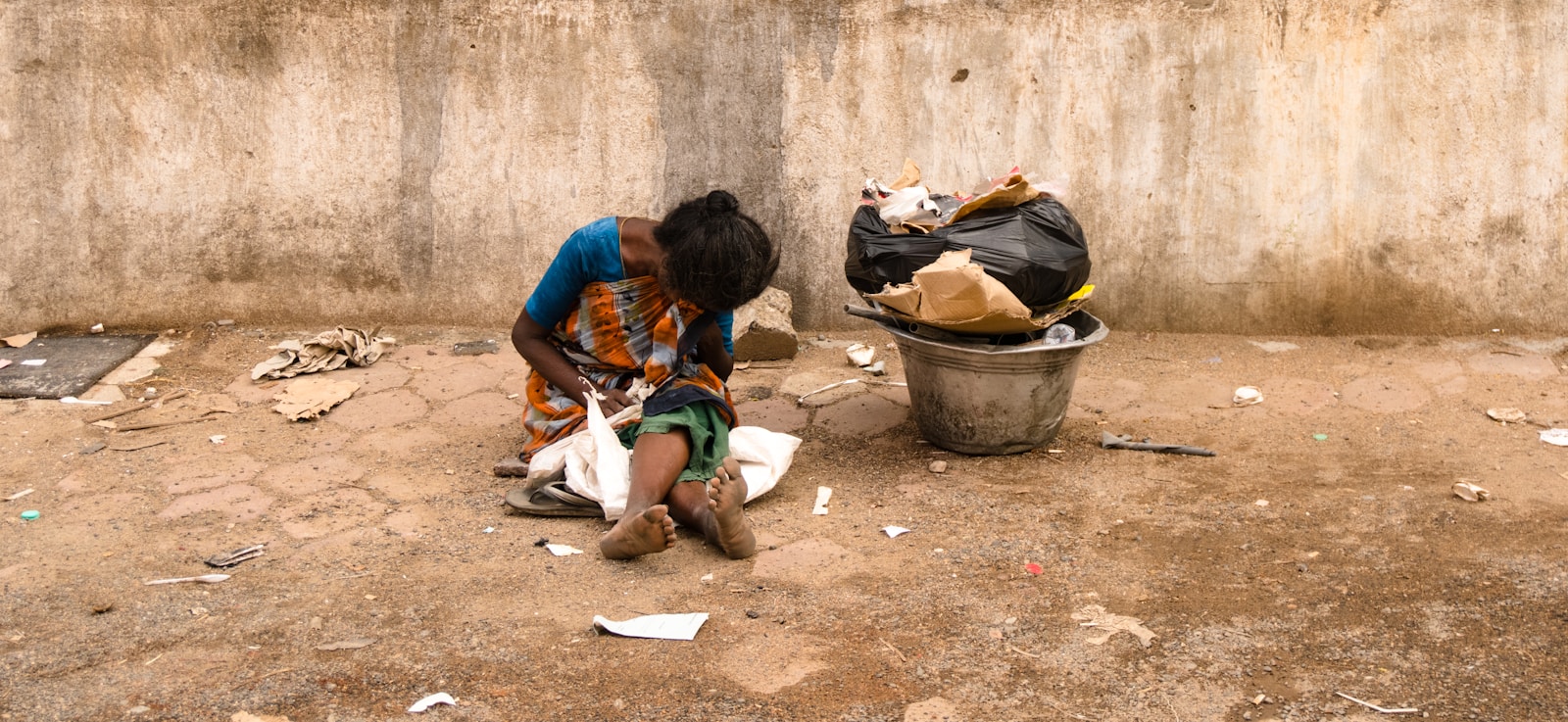

Growing Numbers of People in Poverty
Reports from the past year reveal a disturbing trend – poverty in New York City is on the rise. Between 2021 and 2022, the number of New Yorkers living in poverty shot up from 1.5 million to 2 million. That’s a staggering half million more people struggling to make ends meet compared to the previous year. This increase pushes the poverty rate from 18% to a worrying 23%.
Impact on Children: Poverty at its Highest Since 2015
Sadly, children aren’t spared either. A striking 25% of kids in the city lived in poverty last year, equating to almost 420,000 children. This represents the highest child poverty rate since 2015.
Food Insecurity: An Alarmingly Regular Occurrence
A significant consequence of this deepening poverty is food insecurity. Recent data from the New York State Health Department highlights that nearly one in four adults in the state are struggling to access sufficient, nutritious food. The most acute food insecurity problems are found in three of the city’s boroughs — Bronx, Queens, and Kings.
This data underscores a pressing issue. The number of New Yorkers looking for help with basic needs like food is reaching record highs. People from all walks of life, like school teachers, nurses, and seniors on fixed incomes, are having to make impossible choices between paying rent and eating.
Turning to Trusted Organizations for Help
During these challenging times, New Yorkers are seeking assistance from familiar community organizations: Met Council on Jewish Poverty, Catholic Charities, and Hispanic Federation. These bodies have been solving needs in crises for over 20 years, helping the city traverse through 9/11, the Great Recession, and Hurricane Sandy and, more recently, the COVID-19 pandemic.
These organizations have a collective 200 years of experience in serving the community, assisting over one million New Yorkers every year. They provide vital services in various areas, including affordable housing, crisis intervention, family violence support, benefits enrollment, and vocational counseling.
Past Lessons Calling for Change Today
During the height of the pandemic, NYC funded a special emergency food program. This injection of resources provided critical support to historically underserved communities. It facilitated the distribution of much-needed resources to areas lacking in pantry and social service infrastructure. This funding directly impacted New Yorkers, lessening access barriers and providing an essential infusion of food to those in need.
Many citizens and the organizations that support them saw the value of this funding. Families appreciated the ease it provided, including not having to travel to a food pantry and the ability to access foods that cater to their families’ specific dietary needs. This emergency fund has shaped how the system operates, augmenting service delivery in ways that will persist long after the initiative.
Call to Action: Government’s Role in Addressing Hunger
Now it’s time for the government to step up. Local charities are calling on the City Council and mayor to allocate an additional $20 million in the upcoming budget to ensure that people get the food they need. As these organizations have proven, we can make a difference. But to do so, the government must allocate resources appropriately.
In a city as bustling as New York, no one should have to worry about where their next meal is coming from. That’s why more funding is crucial to address this escalating issue of hunger. Let’s make New York the city that cares for all, regardless of their circumstances.