


Key Takeaways:
– Incorrect facts about Hurricane Helene spread online after it struck southern cities.
– GOP Representative Marjorie Taylor Greene was one of those who spread these baseless rumors.
– Misinformation about natural disasters can create unnecessary panic and marginalization.
The Aftermath of Hurricane Helene
As southern cities band together to recover from the lashing of Hurricane Helene, an unexpected snag in the process has emerged – not in the form of more rainfall or gales, but a whirlwind of misinformation. This unseen adversary is complicating recovery efforts and sewing division among affected communities.
False Claims Weather the Storm
Originating from none other than the corridors of power themselves, these misleading reports began surfacing online after Helene made landfall. At the helm of this disarray was Rep. Marjorie Taylor Greene, a Republican from Georgia. Greene ignited the controversy by giving voice to unfounded theories about Helene’s origins and the possibility of it targeting specific communities.
Deciphering Fact from Fabrication
Natural disasters like storms do not have the capacity to target specific areas intentionally. They are driven by meteorological factors, not personal, political, or demographic factors. Greene’s baseless suggestions have not only fueled unnecessary fear but also split the unity among those affected.
Restoring Trust and Unity
In the face of this confounding issue, several of Greene’s fellow Republicans are now trying to clear the clouds of misinformation. These public servants are stressing the importance of relying on official, scientific sources for information about the storm. Their hope is to redirect attention to much-needed recovery and reliefs efforts, unencumbered by divisive falsehoods.
The Dangers of Misinformation
Misinformation spread, particularly about crucial issues such as natural disasters, can breed fear, anxiety, further divisions, and even derail necessary response efforts. It’s not just about clearing up a few questionable weather facts. It’s about ensuring the public trust isn’t eroded and that communities get accurate information essential for their well-being.
Conclusion
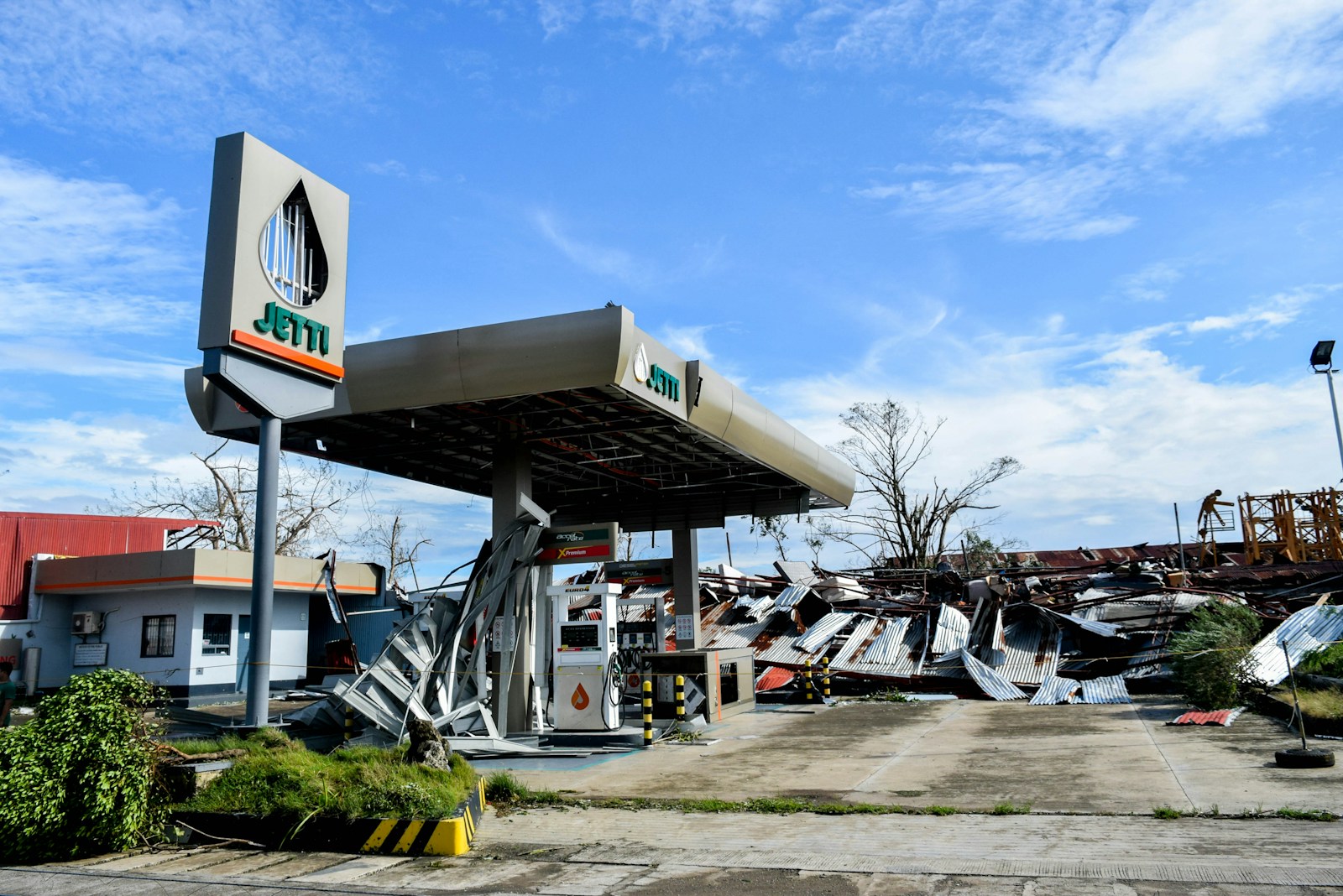
The impact of Hurricane Helene on several southern cities was immense. However, the coinciding storm of misinformation propagated by Rep. Marjorie Taylor Greene has also left its mark. Misleading claims during such crisis can be detrimental, sowing seeds of unnecessary panic and confusion.
Arguably, this ‘infodemic’ can be as disastrous as any storm. Hence, restoring factual accuracy and dispelling rumors is crucial. Fortunately, efforts of several conscientious Republican lawmakers have come forward to debunk these claims and uphold the facts.
Yet, the incident serves as a stark reminder of the severe consequences that can come with peddling misinformation. Particularly during times of crisis. It underscores the importance of accurate reporting and information-sharing in vulnerable times. As the southern cities rise from the ravages of Helene, one hopes they will do so in unity and truth, unshaded by the clouds of baseless rumors.