


Key Takeaways:
– There are ongoing discussions about former President Donald Trump’s mental health deterioration and increasing fascist statements.
– His violent rhetoric has escalated in recent campaign rallies, sparking worry among many.
– Trump’s recent ‘bizarre’ behavior on stage further fuels the concern regarding his mental well-being.
– The groundwork for his presidential campaign now seems to focus on avoiding mainstream media interactions.
Trump’s Rising Fascist Rhetoric
There’s a concern growing over former President Donald Trump. In fact, it’s more than just a single worry. Two parallel narratives about the ex-president’s fitness for leadership are running side by side. The first of these conversations revolves around an uncomfortable topic: Trump’s increasing indulgences in fascist rhetoric.
Reports show that the change in tone began after his election in 2016 and has steadily escalated since. Recent campaign rallies have seen his statements growing more extreme and violent. Observers even draw parallels between Trump’s rhetoric and troubling historical figures, leading to growing and unsettling claims that his ideologies lean toward fascism.
Alarming Decline in Mental Health
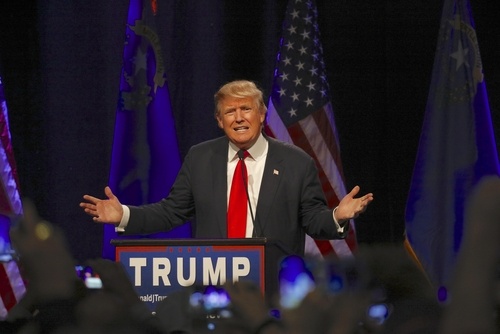
The second narrative focuses on what appears to be a significant decline in Trump’s mental state. Evidence pointing to his deteriorating mental condition came into sharp focus in a recent town hall episode. For almost forty minutes, he swayed and bopped on stage, a sight that perhaps drew more attention than his actual speech did. This strange behavior, coupled with an alleged increased instability, stoked fears about his mental well-being even further.
Adding to this, the hints at what might be dementia have become more palpable during interviews. One glaring example was a problematic interview with the head editor of Bloomberg News. According to reports, his struggle to stay on topic resulted in him ultimately attacking the interviewer rather than discussing the issues.
Retreat from Mainstream Media
It appears that awareness of Trump’s decaying cognitive capability is influencing his campaign strategy as well. His campaign team is now more keen on organizing nonstop rallies and appearing on friendly media platforms, steering clear of mainstream media channels that might probe too deep or ask uncomfortable questions. This move might be strategic, to keep his declining condition from being highlighted in front of a broader audience.
Obfuscation as a Defense Mechanism
Listeners have noted that when posed with challenging questions, especially regarding policy issues, Trump often stumbles or pivots away from the issue at hand. Instead of discussing or debating policy matters, he opts to launch personal attacks. This not only tarnishes the credibility of his leadership abilities but also signals an evident cognitive struggle.
Understanding Trump: The Fascist or the Demented?
The two narratives – that of Trump the fascist and Trump the demented – may seem separate but they are in fact interlinked, creating a complicated and concerning picture of the former president. But it’s crucial to note that these are not two distinct issues. These two narratives reflect the intertwined state of Trump’s mental health and political ideology, not one or the other.
While alarming, these claims only intensify the need for critical conversations about Trump’s fitness for leading a country. As a political figure making an attempt to return to the presidential race, the concern over his cognitive capabilities and his adoption and promotion of fascist ideologies need to be addressed not separately, but as one concerning, interlinked issue. This is a matter that all voters should consider, as it greatly influences the future of the nation’s leadership.