


Key Takeaways:
– Maricopa County, Arizona, has seen a triple increase in ballot rejections due to signature mismatches.
– Recently moved residents and younger voters have a higher chance of getting their ballots rejected.
– Maricopa County utilizes signature verification as the primary method to confirm voters’ identities.
– Critics of the method have highlighted flaws that promote possible disenfranchisement.
– Republican lawmakers in the state advocate replacing the signature validation system with the provision of identification numbers.
Signature Verification and Ballot Rejection
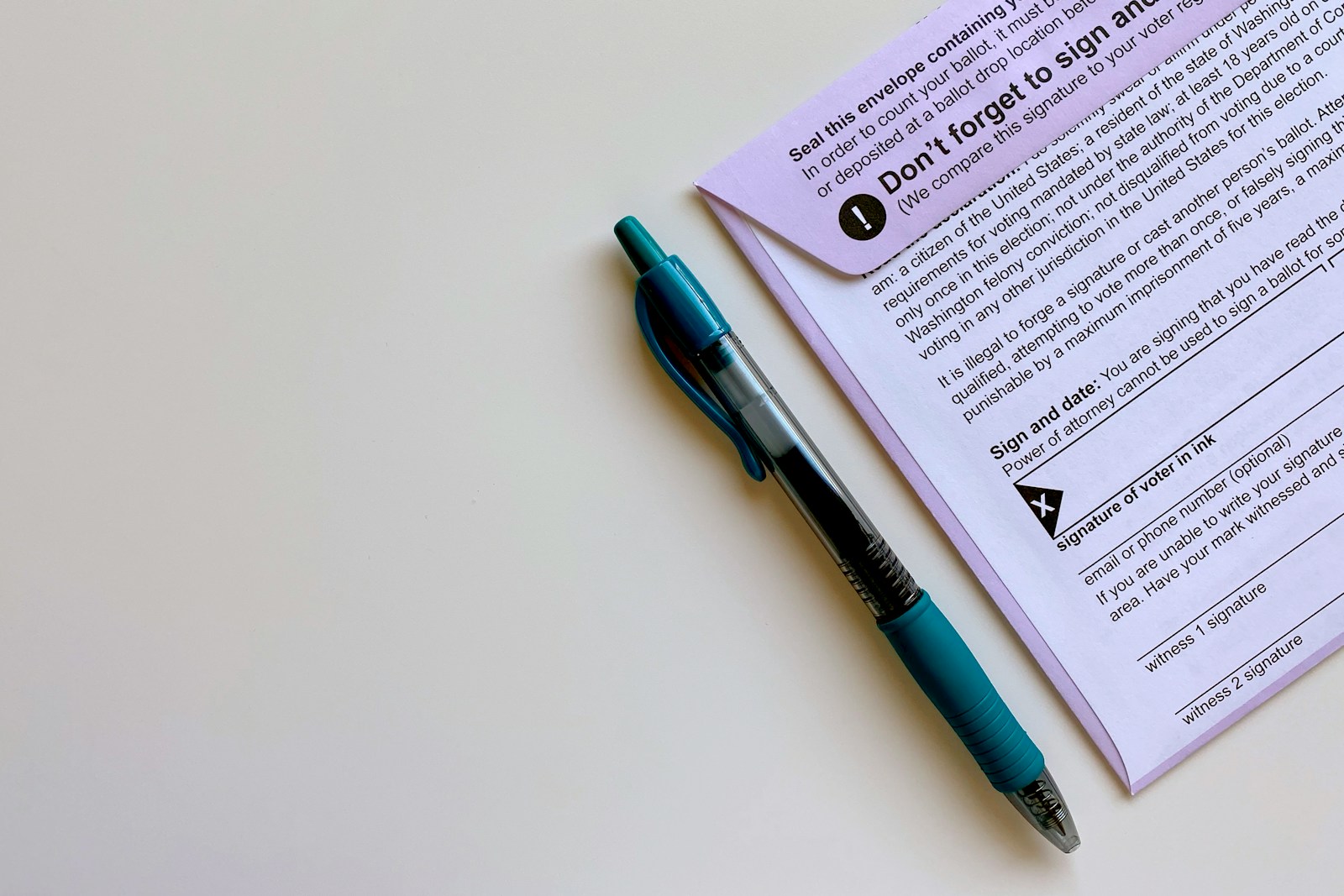
In the recent midterm polls, Nate Kennedy, a resident of Gilbert in Maricopa County, Arizona, had his ballot rejected due to an alleged signature mismatch. Election officials compared the signature on his mail ballot envelope to the electronic signature he provided when he registered to vote. The perceived discrepancy led to his vote being nullified.
This incident illustrates an increasingly notable scenario in Arizona, as an escalating number of people choose to vote by mail. Amid the rampant and unsubstantiated claims of massive mail voter fraud, tighter signature verification protocols have been implemented. This, however, has been met with backlash, especially in Maricopa County- Arizona’s largest county and a focal point of false election fraud claims.
Behind the Rising Signature Flag
The number of ballots rejected in Maricopa County due to questionable signatures tripled from 586 to 1,798 between the 2020 presidential elections and the 2022 midterm polls. Ballots rejected due to complete absence of signatures were not included in these numbers. Signature verification flaws have led to potential disenfranchisement of younger and newly registered voters as well as those unaffiliated with any political party.
An investigation by Votebeat and the Arizona Center for Investigative Reporting revealed that a significant number of rejected ballot signatures were from recently moved residents and younger voters. Their electronic signature from driver’s licenses is generally the only one the election officials have on file, leading to possible mismatches.
Rejections due to signature discrepancies also disproportionately impact voters unaffiliated with any political party. This is primarily because they lack the help from political parties in contacting voters to resolve signature issues.
Implications on Election Outcomes
A thorough signature verification process is crucial in preventing fraudulent activities during elections. However, the anomaly of signature mismatch causing ballots to be rejected can also impact election results. Several voter advocates report that older voters and those with disabilities often see their signatures change over time, rendering this system flawed.
State workers, who review millions of signatures in a few days, often counter these challenges. While they undergo hours of training before determining the validity of a signature, they aren’t handwriting experts. Thus, there is significant possibility for human error and faults in judgment.
Calls for Replacement and Improvement
This signature verification ordinance has raised a clamor from many lawmakers, mostly Republicans, who believe that the system needs replacement rather than improvement. The Arizona Free Enterprise Club pushed for a system that would require mail voters to provide an identification number, replacing the subjective process of signature reviewing.
Conversely, Alex Gulotta, Arizona State Director of All Voting is Local, opined that fixing problems with the current system should be the priority. He argued that signatures are valid forms of identification. However, they need to be collected thoughtfully to perform their function efficiently.
With all the debate surrounding this issue, it is crucial that election officials strive to create a system that is both secure and inclusive of every legitimate voter.