

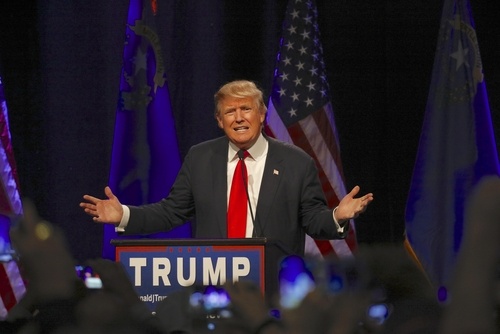

Key Takeaways:
– New York Times reporter Maggie Haberman observes a rise in anger, incoherence, and revenge talks in former President Donald Trump.
– Trump seems to have become more rambling and is openly talking about revenge.
– His campaign members are concerned about his long speeches and the potential impact of his intense rhetoric.
Trump’s Changing Temperament
Maggie Haberman, a seasoned reporter who has covered Donald Trump extensively over the years, has marked a crucial shift in the former President’s demeanor. Trump’s anger levels, according to her, have escalated compared to what they were eight years back. The most noticeable change is his open discussion about taking revenge, something that Haberman finds deeply striking.
Reflecting on Pivotal Changes
Six months ago, Trump’s political landscape was significantly different. Prior to the supposed assassination attempt in Butler and President Biden exiting the race, Trump exhibited different characteristics. Haberman has traced an increase in disjointed speeches and general incoherence. She attributes this to his age and the aforementioned key events.
The Familiar Yet Different Trump
While there may be marked changes in his behavior, some things remain the same. Haberman points out there is no stark contrast between Trump’s persona eight years ago and now. People who knew him back then had a fairly accurate understanding of who he was. The rhetoric might have turned darker and the anger might have intensified, but these are perceived as mere exaggerations of his earlier self.
Heightened Focus on Revenge
Trump’s sharper focus on revenge, as per Haberman, is a unique development. His readiness to discuss it openly, as a closing message in particular, has drawn her attention. This significant shift in his communication is a matter of concern for many.
The Concern of Campaign Members
There’s unease brewing within Trump’s campaign circle over his increasingly fervent speeches. Averaging at about 82 minutes, the length of these speeches in itself is a cause for concern. However, what worries the campaign team more is the rhetoric involved. They fear this could potentially alienate people. The concern has been there all along, but it seems to have heightened recently.
Drawing Patterns: The Trump of Today
Understanding Trump’s current state is an exercise in tracing patterns. Haberman paints a picture of an apparent increase in incoherence and rambling tendencies. He appears angrier and seems more focused on talking about revenge. These observations stem from years of covering Trump, closely watching, and understanding his public persona and private demeanor.
Trump’s Appeal: A Double-edged Sword
While Trump’s campaign team tries to rein in his rhetoric, one cannot overlook that it’s this very persona that appeals to a chunk of his supporters. For them, his unfiltered, confrontational style compensates for the political correctness and ambiguity they despise in politics.
However, as Haberman suggests, there’s no denying that there’s more fire and fury in his speeches now. The implications of this may play out in the political arena as Trump continues to mold his post-Presidential identity. Whether these changes will attract more supporters or cost him his existing ones, remains to be seen.
In conclusion, as the world continues to watch, analyze, and speculate about Trump’s next move, Haberman’s observations provide vital insights into the man once at the helm of the American political landscape.