


Key Takeaways:
– A new technique allows researchers to locate koalas using DNA samples collected from environmental filters.
– Researchers use cheesecloth filters to capture DNA floating around the koala’s natural environment.
– The new tracking technique is cost-effective and user-friendly, encouraging participation from citizen scientists, private landowners, and students.
– An encouraging first step, despite uncontrolled environmental factors, the method managed to identify DNA from koalas and eleven other species.
– Future plans include creating a library of genetic data for different species for a broader application of environmental DNA.
Kitchens Tools for Koala Conservation
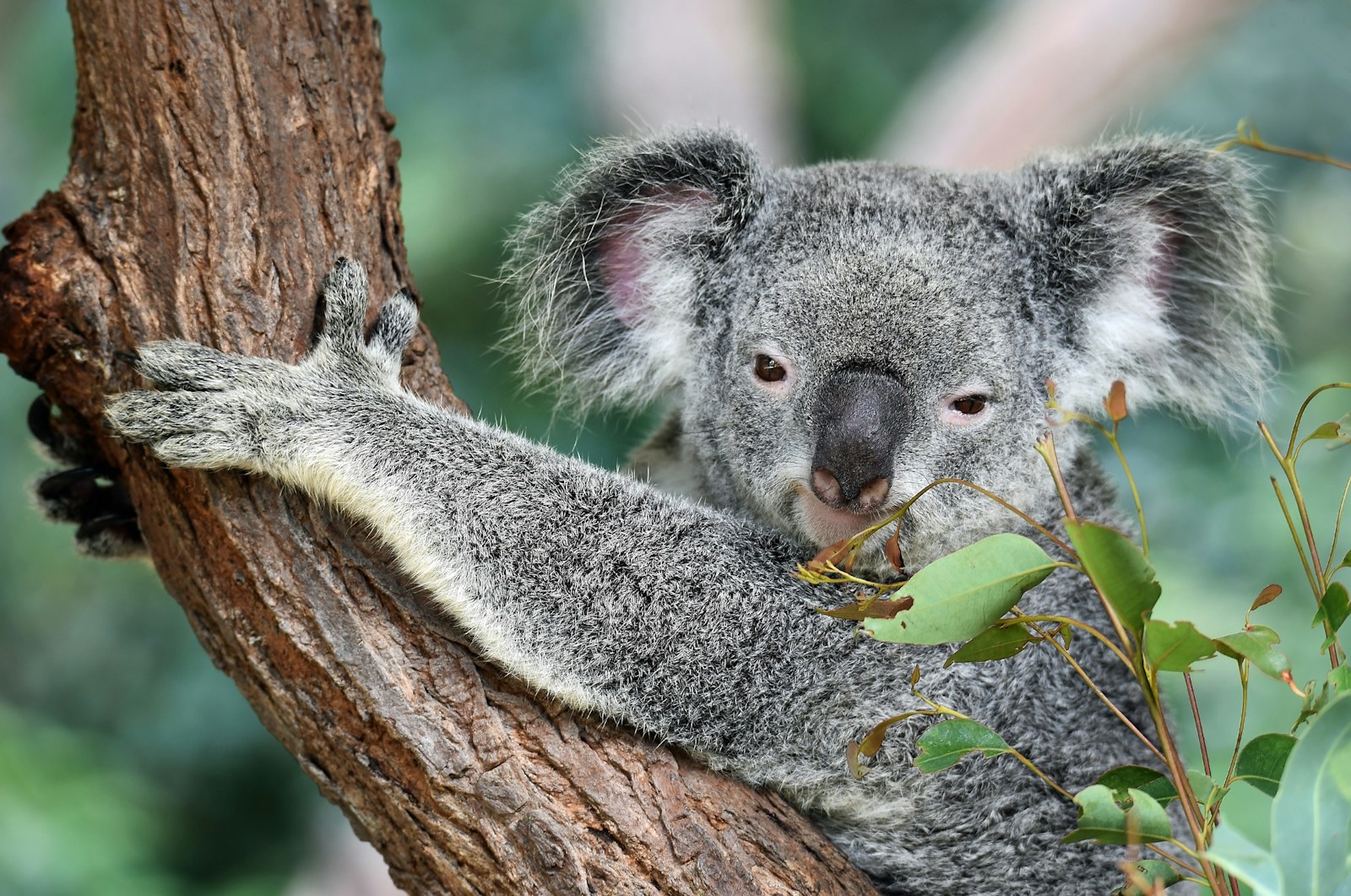
Cutely characterized by their rounded faces, fluffy ears, and large black noses, koalas are known to be tree-dwelling animals almost perpetually asleep among the canopies of eucalypt forests. Their slow, laid-back lifestyle, often perched high up, makes tracking these Australian icons quite a challenging task. However, this task is getting easier with a novel technique that enables researchers to trace koalas by simply “sniffing” out their DNA.
The Genius in the Details
The revolutionary method harnesses the humble cheesecloth, commonly found in kitchens, to capture DNA particles dispersed in the koala’s natural habitat. These filters, secured between two stainless steel plates, were tested in 26 locations across four nature reserves in Queensland, Australia.
To maximize coverage, two filters were placed at each site. One was positioned about 1.5 meters above the ground, aided by a mechanical fan drawing in air, while the other was situated nearer to the ground to capture any falling debris. After several days, the filters were retrieved and analyzed for captured genetic material.
Surprising Findings and Koala Conservation
Researchers were delighted to discover not only koala DNA but also genetic samples from eleven other species cohabiting the regions, including swamp wallabies and ring-tailed possums. This was a significant breakthrough, considering the drastic decline in koala populations in recent years due to severe bushfires and diseases.
The Australian government, in 2022, declared that koalas were endangered in certain parts of the country and conservation efforts entailed sophisticated instruments such as thermal imaging drones and acoustic recorders. The new DNA sampling method is cost-effective and requires less advanced technical skills, making it a game-changing tool in koala conservation.
The Potential of Citizen Science
Celine Frere, an evolutionary biologist at the University of Queensland, has lauded the simplicity of the new technique. She envisions a future where citizen scientists, private property owners, and school students alike would be encouraged to participate in conservation efforts using these filters.
Not only does this method contribute to koala conservation, but it also adds to the potential of environmental DNA (or eDNA) tracking techniques. Scientists worldwide have taken advantage of eDNA by vacuuming air in zoos and forests, swabbing vegetation, or even filtering air from pollution monitoring stations.
Future Prospects
Despite recognizing the, at times, uncontrolled environment of the study and potential interferences like strong winds or rains, Matthew Barnes, an ecologist, praised the progress so far. He was especially encouraged by the success they have already achieved despite these factors.
Frere and her team are channeling their newfound knowing into creating a robust library of genetic data for an array of species. This comprehensive database would enable scientists to maximize the potential of eDNA, creating a stronger network for conservation and ecology studies worldwide.