


Key Takeaways:
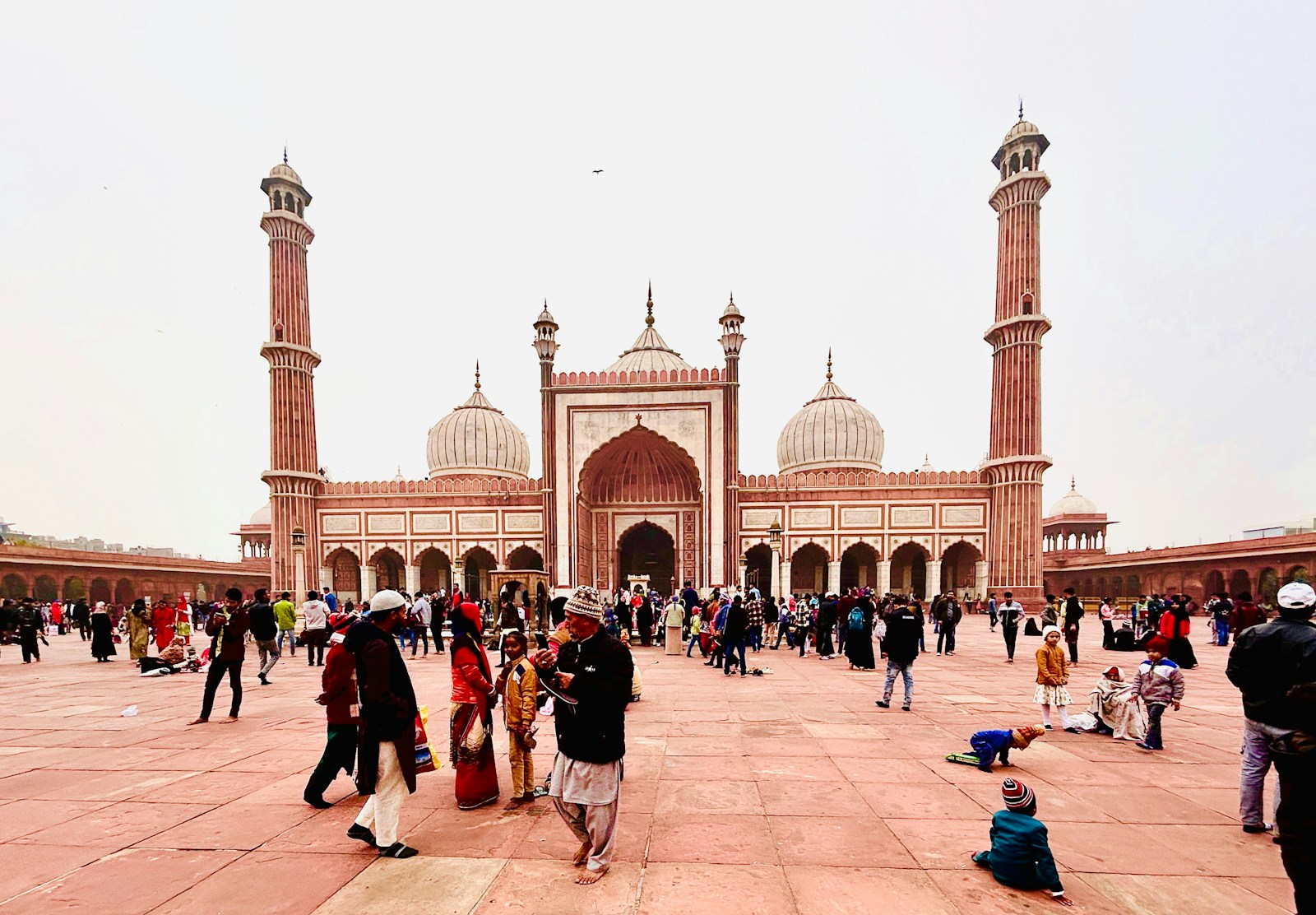
– Thick smog engulfing India’s capital as the annual winter air pollution wave hits.
– AQI reading of more than 450 on Thursday making Delhi’s air pollution the highest worldwide.
– The Delhi government has issued severe health warnings and banned construction activities.
– Urgent measures in place including students switching to remote learning, bus and truck restrictions in the city.
– Increased visibility issues disrupting flight operations, resulting in numerous delays and diversions.
Alarming Smog Levels Propel Delhi Into Emergency
The perennial issue of grave air pollution has gripped India’s densely populated capital, New Delhi, once more. The city of approximately 33 million witnessed a considerable rise in pollution levels on Wednesday, registering in the “severe” category of the World Health Organization’s (WHO) Air Quality Index (AQI). As of Thursday afternoon, the AQI indicator exceeded 450, making Delhi’s pollution level the worst observed in any city worldwide.
Understanding the AQI
The AQI represents the level of five crucial pollutants that affect human health. An AQI reading over 150 is considered unhealthy, while any reading surpassing 301 is seen as a substantial health emergency. Notably, high AQI numbers pose significant health threats, mostly impacting children, the elderly, and individuals with respiratory concerns, who can be affected at even lower levels.
Precautionary Measures and Advisories
Government authorities have imposed multiple precautions and issued advisories in response to the critical pollution levels. Thursday witnessed the Delhi government implementing stringent anti-pollution measures including a ban on non-essential construction and demolition work. Simultaneously, they restricted the entry of buses and trucks into the city, and the use of diesel generators was to be limited from Friday onwards.
Furthermore, Delhi’s prominent elementary schools were instructed to shift to remote learning on Friday, emphasizing the utmost necessity to keep children safe.
Low Visibility Impacts Flight Operations
Worsening pollution has significantly impacted flight operations. Indira Gandhi International Airport, one of the busiest in the country, issued an advisory informing travelers about reduced visibility procedures in place. Indigo Airlines similarly advised passengers to monitor their flight status and plan an early departure in light of the reduced visibility on roads leading to the airport. In addition to over 300 flights getting delayed on Wednesday, minimum 10 were rerouted away from Delhi.
Historical Trend: Pollution Peaks During Winter
Air quality in Delhi typically reaches alarming levels at the onset of winter, aligning with the Diwali Hindu religious festival. Fireworks that ceremonially illuminate the sky contribute substantially to the already worsening air quality. Other factors like farm waste burning in neighboring states like Haryana and Punjab also augment the deterioration in air quality significantly.
These alarming levels of pollution hit a record high last year causing authorities to order a prolonged closure of schools. These concerning trends continue to underscore the dire need for comprehensive and efficient solutions to combat this dangerous yearly air pollution crisis in New Delhi.