


Key Takeaways:
– Strong winds from Hurricane Rafael cause power blackouts in Cuba, weeks after a nationwide outage.
– A Category 3 hurricane, Rafael brings along sustained winds near 115 mph, whipping past Cayman Islands on its journey towards western Cuba.
– Emergency measures are implemented, including shutting down state workplaces.
– The U.S. State Department suggests American citizens and non-essential staff consider departure from Cuba due to the possible impact of the hurricane.
– The storm’s expected path leans towards Florida, promising heavy rainfall and potential storm surges in approaching areas.
Hurricane Rafael and Power Outage Crisis
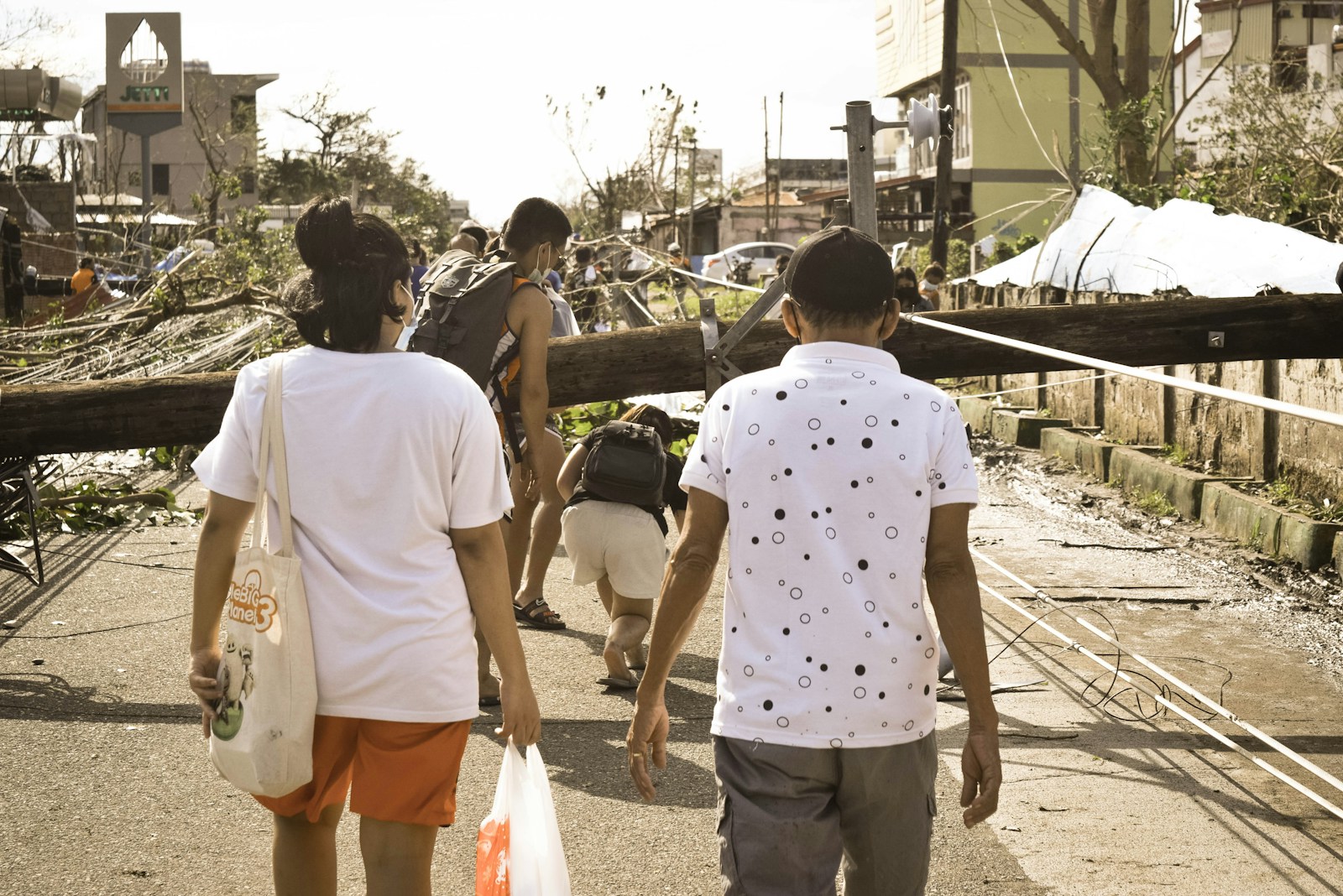
Cuba is experiencing another critical power outage. Strong winds from Hurricane Rafael have disconnected power across the island, according to the county’s electric company. The latest blackout comes only weeks after a previous nationwide power outage due to repeated energy distribution issues in the troubled island country.
Details About the Storm
The category 3 storm, named Hurricane Rafael, made landfall on Wednesday afternoon in Artemisa province, just to the east of Playa Majana. As it passed the Cayman Islands, it carried maximum sustained winds around 115 mph, as reported by the National Hurricane Center.
Impact on Cubans
Cuban citizens faced a severe power outage in October that impelled the government to slash demand by implementing emergency measures. These included closing down some state-owned workplaces, cancelling non-essential services, and suspending classes. Many locals without power had to cook on the streets using improvised wood stoves to prevent food in their refrigerators from spoiling.
Turn of Events Leading up to the Crisis
Cuba’s energy supply has been inconsistent, leading to substantial outages before the current crisis. Power is often rationed and alternated to different regions at varying times across the country. The October blackout was reported as Cuba’s worst in two years, after Hurricane Ian damaged several power installations and left households without power for up to eight hours daily. It took the power authorities several days to restore power for approximately two million people.
Evacuations and Warnings
Nearing the storm, emergency workers evacuated people from Batabano, a town in Artemisa province just 53 kilometers from Havana. The U.S. State Department also issued an advisory on Tuesday afternoon, offering departures to non-essential staff and American citizens. Before the storm evolved into a hurricane, they also advised reconsidering travel to Cuba due to Tropical Storm Rafael’s potential impact. The Cuban Civil Defense appealed to citizens for early preparations stressing how vital it was to remain stationary once the storm hit. Authorities also ordered an evacuation for 37,000 individuals from Guantanamo, in far eastern Cuba, due to worsening weather conditions.
Projected Path of Hurricane Rafael
As forecasters predict, Hurricane Rafael is likely to continue towards Florida and neighboring southeastern U.S areas. Heavy rainfall and storm surges are expected. Surges could even reach up to 1 to 3 feet in Dry Tortugas and 1 to 2 feet in the Lower Florida Keys, amplifying the threat to residents in these regions.
To summarize, Cuba finds itself amidst power turmoil, with repeated outages straining its electricity distribution system, further complicated now by the brewing Hurricane Rafael. The Cuban government, along with U.S. State Department, are on high alert, with measures in place to protect citizens from this impending storm. The road to recovery stands long and challenge-ridden as the storm continues on its predicted path towards the southeast U.S., signaling complications for regions there as well.