


Key Takeaways:
– US reliance on Russian uranium is jeopardizing the American nuclear energy sector.
– Putin’s newly imposed export restrictions send uranium prices skyrocketing.
– The Ukrainian war escalates tensions between Russia and the West.
US Nuclear Sector Wakes Up to Potential Crisis
The US nuclear energy industry faces a precarious position. Their dependence on Russian uranium, rooted in a botched reset strategy from the Obama era, is threatening to backfire. The issue is reaching boiling point as Russia moves to stop future exports of this valuable fuel.
The Power Move from Putin
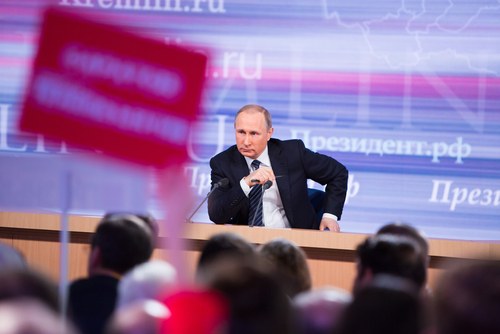
Announced just last week, Russian President Vladimir Putin’s restrictions on uranium exports to the US is a significant blow to the American nuclear power sector. This move did not sit idle; it drastically affected global uranium prices. Almost immediately, the value of uranium soared, and the market felt the full force of the decision.
Stepping into the War Zone
This sudden maneuver is a thing of concern amidst the ongoing war in Ukraine, which is already straining relations between Russia and the West, including the United States. Putin’s export limitations have just thrown another log onto the fire of international tensions.
Uranium and Energy Policy: A Delicate Dance
The ties between US energy policy and Russian uranium are complex, and we need to clarify them. The US nuclear sector’s reliance on Russian imports dates back to the Obama era. A policy reset was attempted to improve relations with Moscow. However, instead of reducing dependence on foreign uranium, this move ended up in the current predicament.
Understanding the Uranium Market
Uranium is crucial for the global nuclear power industry. It provides fuel for nuclear reactors, which are vital for generating clean energy. Its shortage may impact the efforts to control carbon emissions casting a shadow on the global climate change mitigation measures. As such, the uncertain supply and increased prices can have far-reaching effects.
Future Fallout: What’s Next for US Energy
As the situation evolves, the American nuclear sector must come to grips with the escalating crisis. The country needs to seek alternatives to Russian uranium to fuel its nuclear reactors. Exploring other suppliers, boosting domestic production, and investing in new technologies are options that need consideration.
Repercussions on the Global Stage
Putin’s restrictions on uranium exports are likely to have significant repercussions beyond the US. Many countries depend on nuclear power as an essential part of their energy mix. A blown up uranium market could cause problems for them as well. Ultimately, this move could contribute to broader geo-political tensions.
America’s Climate Change Commitment at Risk
Impacts on the American nuclear sector have implications for the nation’s commitment to fighting climate change. Nuclear energy is a critical element of the US strategy to reduce greenhouse gas emissions. A uranium shortage may compromise these efforts, risking the country’s climate change goals.
The Necessity of a Swift Response
As the crisis unfolds, swift and comprehensive action from the US government and the nuclear sector is paramount. It is vital to reduce the industry’s reliance on Russian uranium and to safeguard America’s energy and environmental future.
In the face of rising tensions, the uranium issue embodies a complex mix of politics, economics, and the fate of critical resources. The actions taken now will resonate in years to come, impacting the world in ways we are only just starting to comprehend. The resolution of the crisis hinges not just on diplomatic standing, but also on preparedness to manage and diversify the nation’s energy resources.
In conclusion, the American nuclear energy sector is at a crucial juncture. It must navigate the stormy seas of international politics and energy economics. Now more than ever, it’s apparent that self-reliance and strategic planning hold the key to a stable and sustainable future.