


Key Takeaways:
– A recent unprecedented marine heat wave, known as “The Blob,” severely impacted the seabird population around the north-east Pacific Ocean region, with a sharp decline of up to a quarter in some places.
– This catastrophic event could potentially be the largest wildlife mortality event ever recorded in modern times.
– The devastating impact of the heat wave led to the starvation and death of about 4 million seabirds, including common murres.
– Continued climate changes forecast more frequent heat waves, threatening the already vulnerable animal species.
– Conservation efforts need to be amplified, highlighting the consequences of significant biodiversity losses on the ecosystem and the planet.
Decimation of Seabird Population
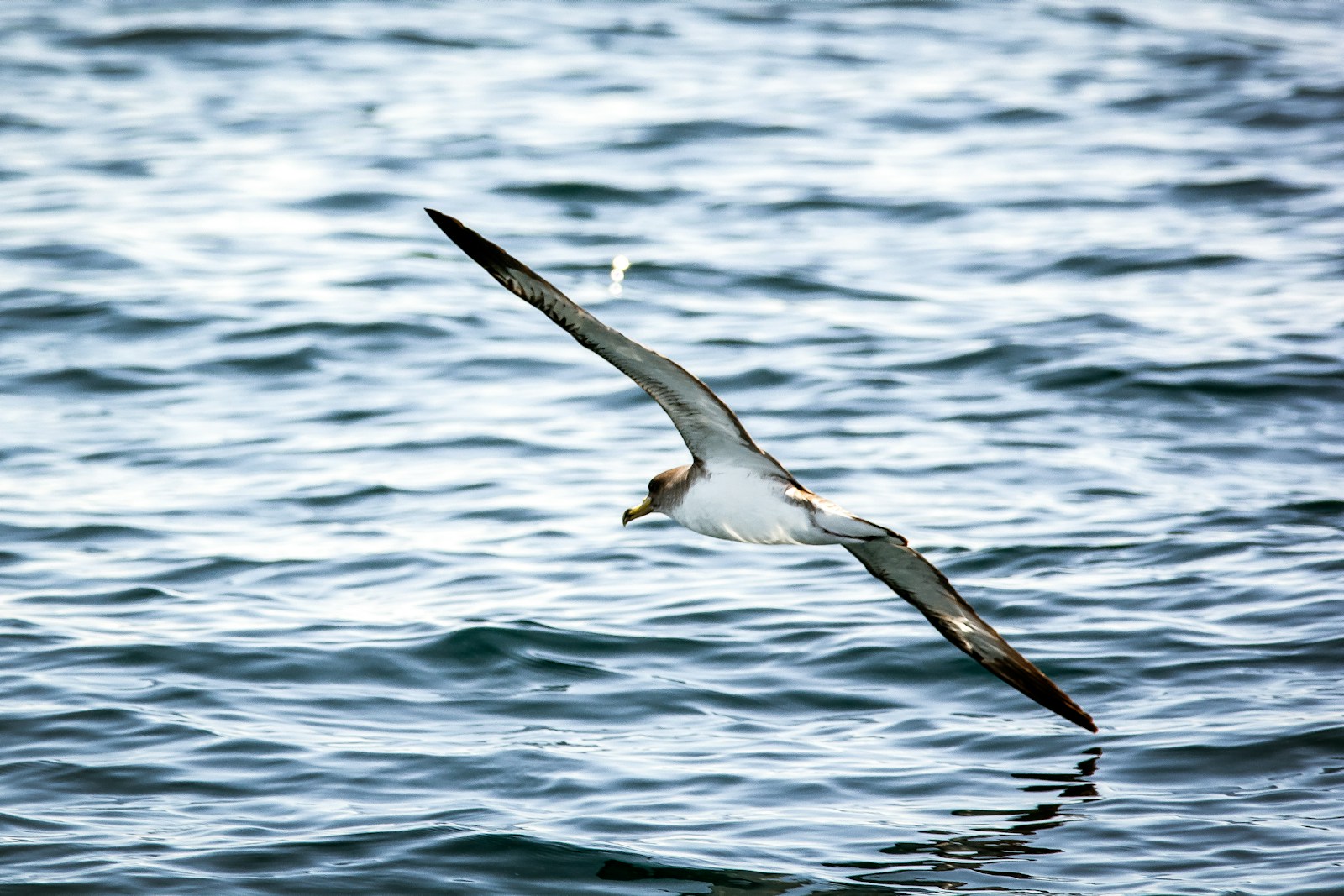
The usually bustling cliff-bound colonies of seabirds that adorn the stony coastlines of the north-east Pacific ocean are a mere shadow of their former selves. Reason? An unusually severe marine heat wave that ripped through the region, leaving a trail of destruction. It’s estimated that almost four million seabirds perished – a calamity that may be the worst recorded wildlife mortality incident in modern times.
The Disaster Unfolds
The nightmare began unfolding towards the end of 2014. A brutal marine heat wave, now referred to as “The Blob,” settled over the Pacific northeast. For nearly two years, it pushed ocean temperatures far beyond the normal range. The scorching “Blo” set off an unfortunate chain of events – phytoplankton counts took a nosedive, consequently affecting the food sources of seabirds, predominantly common murres (Uria aalge), causing mass death due to starvation.
Bird population – Scale and Impact
While regular monitoring of seabird populations over the last 50 years provided initial indications of the disaster, the real scale of the devastation was grimly revealing. “You could see right away it was a massive catastrophe,” says Renner, who heads a regional monitoring program. She continues, “A figure of around 62,000 carcasses washed up, covering the Gulf of Alaska to California.” Because of the scale of the disaster, assessing the loss was challenging.
To ascertain the full impact on the murre population, counts from 1995 to 2022, across 13 colonies from the Bering Sea to the Gulf of Alaska, were analyzed. The estimated loss was staggering at around four million murres, with nearly half of them perishing in just one winter.
Impact on the ecossystem
This loss raises red flags of a significant disruption in the region’s ecosystem. Persistence of reduced bird populations even seven years after the heat wave negates the hypothesis of a temporary drop in numbers due to climate uncertainty. The persistently low numbers of seabirds suggest a significant disturbance in the ecosystem that now possibly cannot support the previous murre population count.
Broader Climate Implications and Conservation Efforts
Climate change can bring about harsh and swift disruptions, as this event clearly demonstrates. The increasing frequency of heat waves due to ongoing global warming presents a perilous future for many vulnerable animal species. Renner and Tye, an ecologist from the University of Arkansas, stress the need for more intensive conservation efforts. Whether that involves eliminating invasive predators or other species that add stress to seabird populations alongside climate swings, the importance of these conservation efforts cannot be overstated.
The continued loss of creatures at the top of the food chain is worrying for all species, including humans. Such immense and rapid biodiversity losses ring an alarm for the health of our planet, emphasizing the urgency for global conservation measures to protect the ecosystem.