

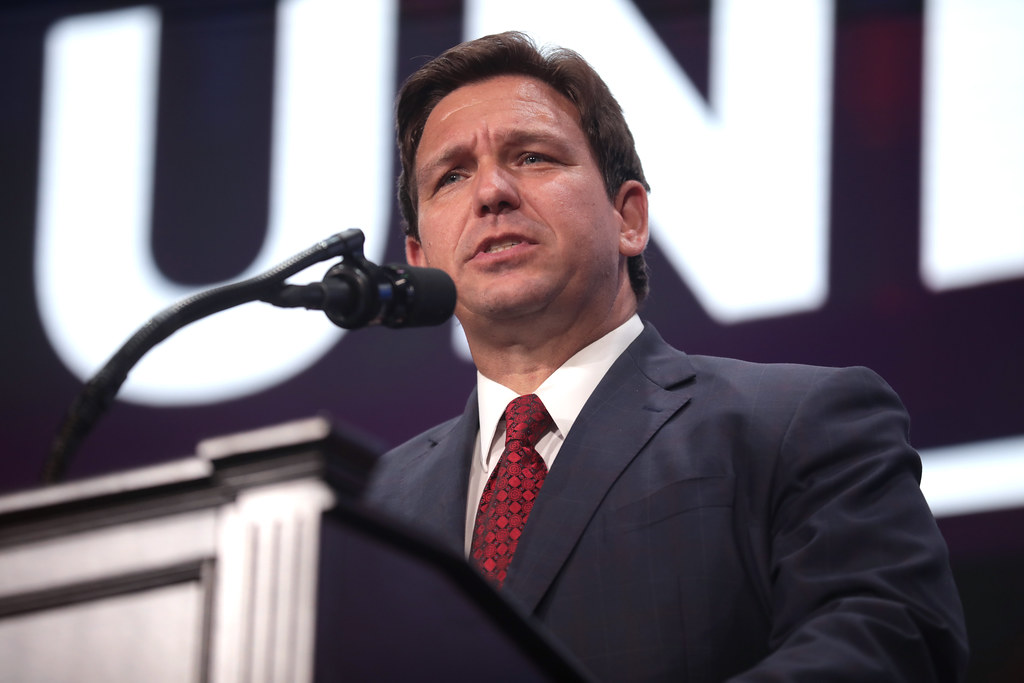

Key Takeaways:
– Florida Governor Ron DeSantis dismisses criticisms of the timing of a special legislative session he has called.
– The special session is intended to support President-elect Donald Trump’s immigration policies.
– Donald Trump has hinted at plans for mass deportations, which are backed by his future border czar, Tom Homan.
DeSantis Stands Firm in Support of Special Legislative Session
Florida Governor, Ron DeSantis, has brushed aside criticisms suggesting that a special legislative session he’s called for might be ‘premature.’ The Republican governor has requested the Florida legislature to meet on January 27th, with the sole purpose of supporting the incoming president’s stringent immigration policies.
Anticipating Incoming President’s Immigration Policies
With less than a week to President-elect Donald Trump’s inauguration, eyes are firmly set on the changes his administration plans to enact. One such policy that has grabbed headlines is his approach to immigration, where he has hinted at an ambitious strategy to carry out mass deportations.
This controversial plan has received backing from Trump’s appointed border czar, Tom Homan. Homan has previously served as the acting director of U.S. Immigration and Customs Enforcement (ICE) and was vocal about strict enforcement of immigration laws under his tenure.
DeSantis on Preparations for Changes in Immigration Policies
Governor DeSantis aims to prepare the state of Florida in readiness for this incoming policy change, and he is unapologetic about taking early action. “You’re basically saying after four years of Biden’s…, his statement suggests taking a pro-active approach rather than a reactive stance to the expected change in national level immigration policies.
Analyzing DeSantis’ Motivations and Anticipated Impact
There’s significant conjecture as to how the proposed immigration policies of the Trump administration will affect states, especially those like Florida, with sizable undocumented immigrant populations. By calling for this special session, Florida’s governor seems determined to have the state legislature’s support in enforcing these policies from the get-go.
While critics argue that such discussions are premature, given the uncertainty surrounding how these policies will eventually materialize, supporters insist on the need for preparedness. They emphasize that taking action now ensures they are not caught off guard once the new administration takes over.
Governor DeSantis, known for his assertive approach, seems intent on shaping Florida’s legislative response to align with the expected policy changes from the incoming Federal government. This move has raised questions about separation of powers and the role of state governments in enforcing Federal immigration policies.
Final Thoughts on the Special Legislative Session
Governor DeSantis’ call for the special legislative session has stirred intense debate but also showcased his assertiveness in dealing with anticipated changes in national policy.
As the clock ticks down to Trump’s inauguration and the unveiling of his administration’s policy strategies, Florida and the country at large wait with bated breath. This situation underscores the pivotal role state governments will play in implementing or resisting federal decisions on major issues such as immigration.
While it remains to be seen how these policies will ultimately roll out and their impact on states, the decisive action from Governor DeSantis sets the tone for a proactive approach in what promises to be a challenging and intriguing era in American governance.