


Key Takeaways:
- Linda McMahon, the new Education Secretary, has announced plans to reduce the federal government’s role in education.
- The goal is to give more control to states and families.
- This aligns with President Trump’s campaign promise to decentralize education.
- McMahon says she’s ready to “send education back to the states.”
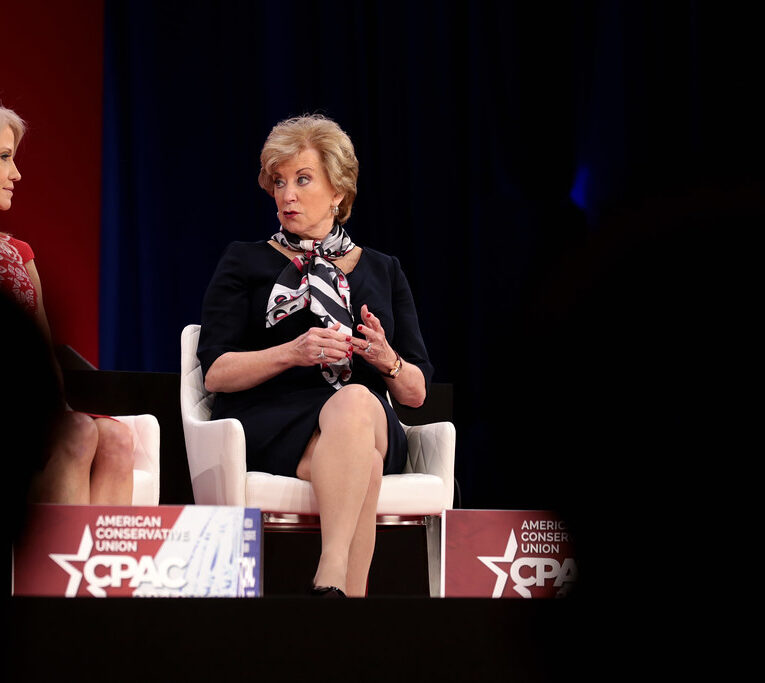
Linda McMahon, the newly confirmed Secretary of Education, wasted no time sharing her vision for the future of education in the U.S. Shortly after her confirmation, she sent a message to staffers outlining the agency’s “final mission.” The message emphasizes President Trump’s plan to roll back the federal government’s role in education and hand more control to states and families. This move is part of Trump’s broader push to fulfill a key campaign promise: giving states and parents more say in how schools are run.
What Does This Mean for Education?
McMahon made it clear that she’s ready to tackle one of Trump’s most significant campaign promises: returning education decisions to the states. In her message, she called this a “momentous” pledge to families and stressed the importance of decentralized control over schools. The idea is simple: instead of the federal government making decisions, states and local communities would have more power to shape education policies.
So, what does this shift actually mean? For starters, it could lead to big changes in how schools are funded, how teachers are trained, and what students are taught. For example, one state might focus heavily on STEM programs, while another might prioritize arts and music. The goal is to allow each state to tailor its education system to its unique needs and priorities.
However, this plan has sparked debate. Supporters argue that local control leads to better decision-making because state and local leaders understand their communities’ needs. Critics worry that reducing federal oversight could lead to inequality, as some states may have more resources than others.
Why Is This Happening Now?
This shift is part of a larger movement by the Trump administration to reduce federal involvement in various areas, including education. Trump and his allies believe that the federal government has overstepped its role in schools for too long. They argue that states and families, not bureaucrats in Washington, D.C., should decide what’s best for their children.
McMahon’s message also hinted at changes within the Education Department itself. While she didn’t provide specifics, many speculate that the agency’s role could be scaled back significantly. This could mean fewer federal regulations, less oversight, and more freedom for states to experiment with new approaches to education.
What’s Next?
While McMahon’s message sets the tone for the Education Department’s direction, the details of how this will work are still unclear. For now, her focus is on preparing the agency for this transition. She emphasized that staffers should be ready to support states as they take on more responsibility for education.
The coming months will likely see proposals for policy changes, potential budget adjustments, and new guidelines for states. McMahon’s background as a business leader and former administrator suggests she’s prepared to lead this effort.
Who Is Linda McMahon?
Linda McMahon is a former WWE executive and a longtime supporter of Trump. She previously served as the Administrator of the Small Business Administration under Trump before being nominated for the Education Secretary role. Her confirmation was somewhat controversial, but she won enough Senate votes to secure the position.
McMahon’s priorities as Education Secretary seem to align closely with Trump’s vision. She has emphasized the need for school choice, vocational training, and reducing the federal government’s influence over schools. Her message to staffers signals that she’s ready to act quickly on these fronts.
What This Means for Families
For families, the shift could mean more choices about where and how their children learn. For example, states might expand programs that allow parents to use public funds for private schools or homeschooling. It could also lead to more innovation in education, as states experiment with new teaching methods and technologies.
However, there are concerns about how this will be implemented. Some worry that without federal guidelines, certain standards might slip, or that some states might not prioritize education as heavily. Others fear that this could widen the gap between states with more resources and those with fewer.
Conclusion
Linda McMahon’s message to Education Department staffers makes one thing clear: the Trump administration is serious about shifting the balance of power in education. By handing more control to states, the federal government is stepping back and letting local leaders take the reins.
While this approach has its supporters and critics, one thing is certain: the future of education in the U.S. is about to look very different. McMahon’s leadership will play a key role in shaping this transition, and her success will depend on how well she can support states as they take on this new responsibility.
Only time will tell how these changes will impact schools, teachers, and most importantly, students. But for now, the message from the Education Department is clear: education is heading back to the states.