


Key Takeaways:
- The U.S. will impose 25% tariffs on countries buying oil and gas from Venezuela.
- The tariffs start on April 2 and target trade with these nations.
- The move aims to pressure Venezuelan President Nicolas Maduro and China.
What’s Happening?
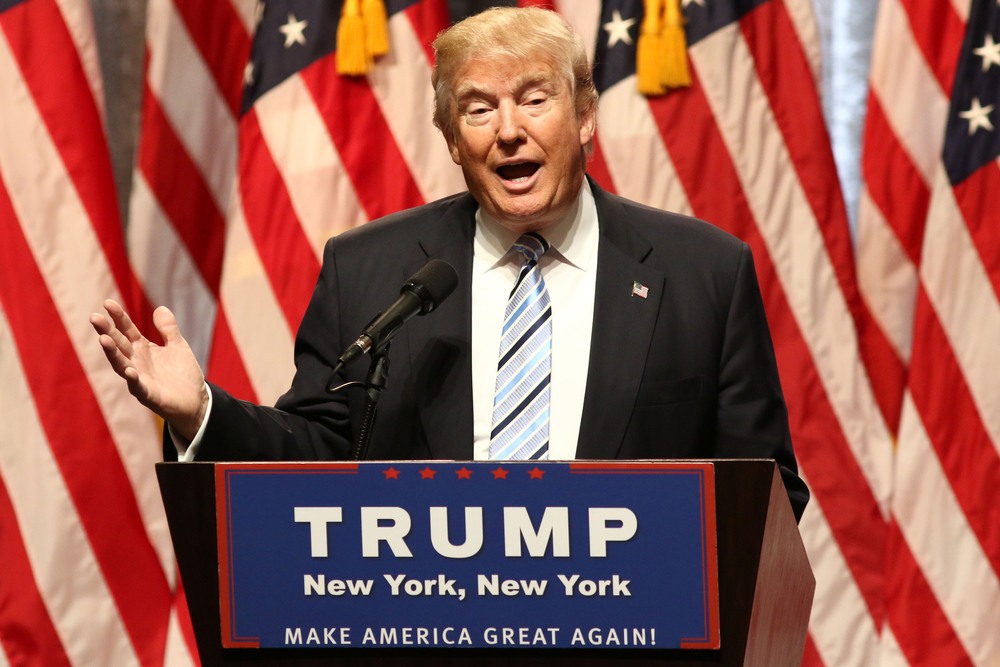
President Donald Trump announced a new plan to punish countries that buy oil and gas from Venezuela. Starting April 2, these countries will face a 25% tariff on their trade with the U.S. This means any nation that imports Venezuelan energy will pay higher taxes on goods they sell to America.
The president shared this news on his social media platform, Truth Social. He said the goal is to increase pressure on Venezuelan leader Nicolas Maduro and China, which has been a major buyer of Venezuelan oil.
Why Is This Happening?
The U.S. has long been critical of Venezuela’s government, led by President Maduro. American officials accuse Maduro of running an authoritarian regime and mismanaging the country’s economy.
By targeting countries that buy Venezuelan oil, the U.S. hopes to cut off a key source of income for Maduro’s government. This could weaken his power and push for political change in Venezuela.
But China is also in the spotlight. As one of the biggest buyers of Venezuelan oil, China’s trade with the U.S. could be heavily impacted. This move may strain relations between Washington and Beijing.
How Does This Affect You?
If you’re in a country that imports Venezuelan oil, your government might face higher taxes on exports to the U.S. This could lead to price increases on goods like electronics, clothes, or other products.
For Americans, this might mean higher prices on imported goods if other countries pass on the costs. However, the U.S. hopes this move will help stabilize the region and promote democracy in Venezuela.
What’s Next?
The tariffs will kick in on April 2, so countries have a few weeks to adjust. Some nations might stop buying Venezuelan oil to avoid the tariffs. Others, like China, might find ways to work around the rules.
The U.S. will likely monitor the situation closely to see if this strategy works. If it does, we might see more economic pressure on Venezuela in the future.