


Key Takeaways:
- Eau Claire officials asked the Attorney General to clarify if police can drop homeless people outside their area.
- A Durand officer transported a homeless woman to an over-capacity shelter in Eau Claire.
- Santa Cruz, California, banned dropping off homeless people without a plan.
- Homelessness is rising in Wisconsin, especially in rural areas.
- Police say they lack options due to limited shelters and transport services.
- A California bill aims to stop transports without housing coordination.
Police Transporting Homeless People: A Legal and Ethical Debate
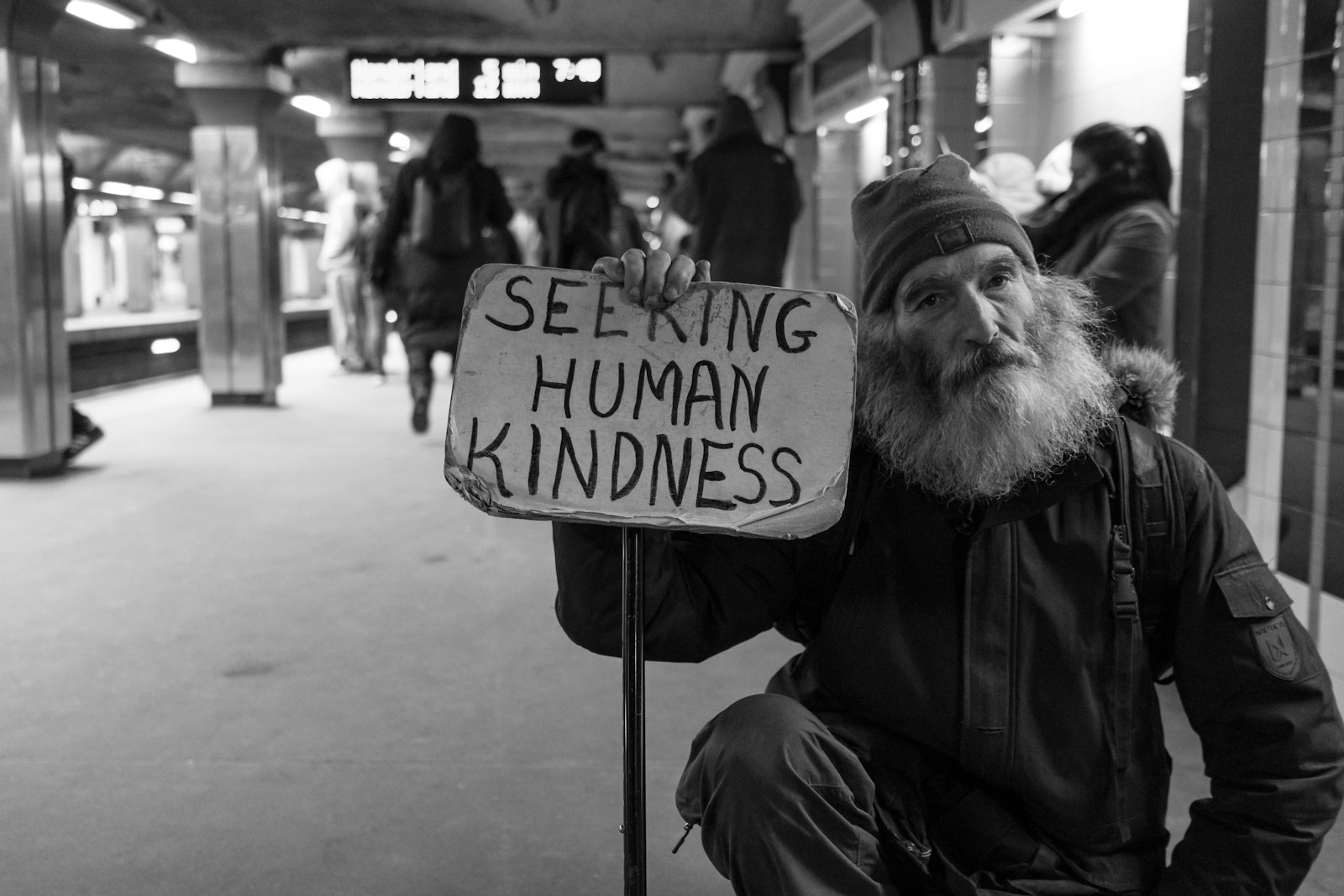
Imagine being homeless on a freezing night with no place to go. That’s what happened to a woman in Durand, Wisconsin, when a police officer offered to take her to a shelter 40 minutes away. She agreed, but when they arrived, the shelter was full. The officer left her there, and she remained homeless in an unfamiliar city. This story is not unique. It’s part of a growing debate about whether police can legally drop off homeless people in other cities.
What Happened in Durand?
On a cold October night, a Durand police officer responded to a call about a suspicious person. He found a woman with no place to stay. She wasn’t committing a crime, but she had nowhere to go. When a ride to a local motel didn’t show up, the officer suggested taking her to a shelter in Eau Claire, 40 minutes away.
The woman agreed, but body cam footage shows she didn’t know where Eau Claire was. The officer called other shelters, but they were full. He then offered to take her to Sojourner House in Eau Claire. When she asked if the shelter was open, he didn’t wait for a confirmation. He dropped her off without contacting shelter staff or local officials.
This practice has led to criticism. Homeless individuals dropped off in Eau Claire often end up in crisis, needing medical attention or committing crimes to survive.
Is This Legal?
Eau Claire officials asked Wisconsin Attorney General Josh Kaul to weigh in on the legality of these drop-offs. They pointed to cases involving the Menomonie Police Department and the St. Croix County Sheriff’s Office, which also transported homeless people to Eau Claire.
Durand Police Chief Stanley Ridgeway defended the practice, saying, “We have no other options.” Rural areas like Durand lack shelters, public transport, and rideshare services. If transports are banned, he says, local human services would have to pay for transportation.
But critics argue this practice is “unlawful at worst and unprofessional at best.” When homeless people are dropped off without coordination, they often struggle to find help in unfamiliar areas.
A Statewide Problem
This issue isn’t limited to Eau Claire. Police chiefs in Waukesha, Green Bay, and Appleton report similar challenges. Green Bay Police Chief Chris Davis said smaller towns often send homeless people to bigger cities for services. However, this strains local resources and makes it harder for people to return home.
Wisconsin’s homeless population has risen since 2021, following national trends. Rural areas saw a 9% increase in homelessness last year.
California’s Solution
Santa Cruz, California, offers a different approach. In 2024, the city banned dropping off homeless people without prior communication and a housing plan. Mayor Fred Keeley said surrounding communities have ramped up their services to avoid breaking the law.
Santa Cruz’s investments in housing and programs have reduced street homelessness by over 50% in two years. A new California bill would extend this ban statewide, requiring coordination before transports.
The Bigger Picture
The root of the problem is a lack of resources. Shelters are often full, and rural areas lack services. Police feel forced to transport people to cities like Eau Claire, where larger shelters exist. But this practice leaves homeless individuals in unfamiliar places without support.
Durand Police Chief Ridgeway acknowledges the issue but says, “These shelters are funded by state and federal money. They’re not just for Eau Claire residents.”
However, critics argue that transporting people without coordination creates more problems. Homeless individuals end up in cities where they don’t know how to access help.
What’s Next?
The Attorney General’s opinion could clarify if these drop-offs are legal. Meanwhile, the Wisconsin Legislature has rejected millions in funding for homeless services. Governor Tony Evers proposed another $24 million for homeless prevention in the 2025-27 budget, but Republican lawmakers plan to start from scratch.
Without more funding, police and homeless individuals will continue to face limited options. Cities like Santa Cruz show that investing in housing and coordination can make a difference.
For now, the debate continues. Should police be allowed to drop off homeless people in other cities? Or is it time for a new approach to address homelessness?
The answer will require more than legal opinions—it will need solutions that provide real help for those in need. Homelessness is everyone’s problem, and it will take everyone’s efforts to solve it.