


Key Takeaways:
- Trump 변경 his approach to Ukraine-Russia peace talks, suggesting less direct US involvement.
- He mentioned involving the Vatican as a potential host for negotiations.
- Trump emphasized the high death toll in Ukraine during a recent speech.
- His stance contrasts with earlier promises to end the war swiftly.
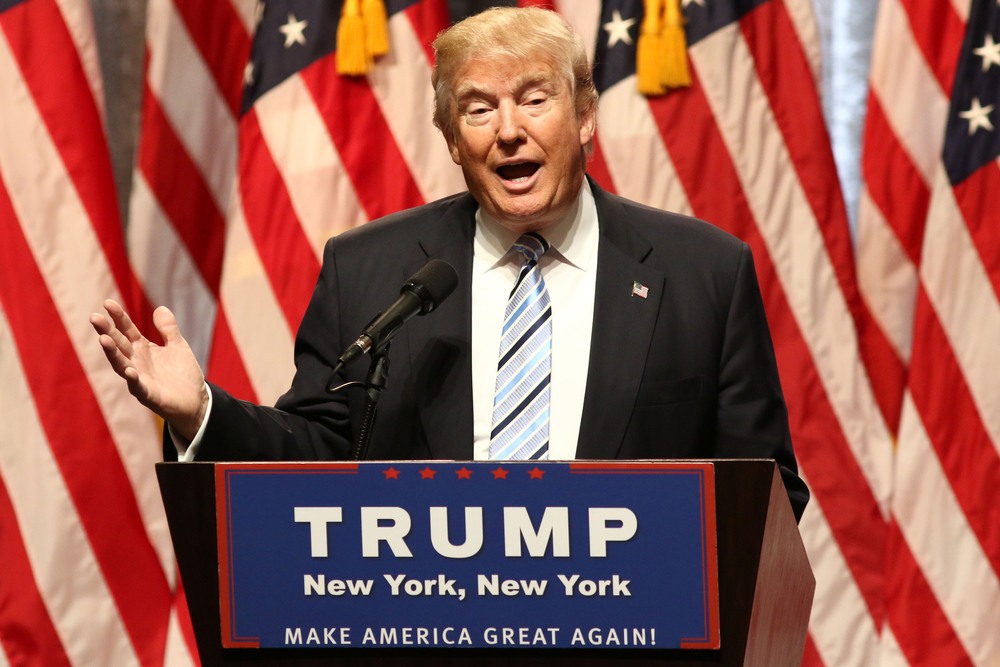
Trump’s recent remarks at a White House AI event revealed a shift in his strategy regarding the Ukraine-Russia conflict. While discussing a call with Putin, he highlighted the devastating impact of the war, noting the loss of thousands of lives. This address came as a surprise, given his earlier confidence in resolving the conflict quickly.
The Context of the Conflict
The war in Ukraine has dragged on, causing immense suffering and loss of life. Trump’s mention of 5,000 young people dying weekly underscores the urgency for a resolution. His administration has been involved in peace talks since taking office, aiming to broker a solution.
The Vatican’s Potential Role
In a unique twist, Trump suggested the Vatican could host negotiations, introducing a religious dimension to diplomatic efforts. This approach could offer a neutral ground, though its success remains uncertain. The Vatican’s historical role in mediation might lend credibility to the process.
A Shift in Stance
Trump’s current stance appears to differ from his earlier vows to end the war rapidly. This change has sparked questions about his strategy. Critics highlight the contrast between his confident promises and the reality of ongoing conflict.
Implications of the Shift
This strategic pivot may signal a broader change in Trump’s foreign policy approach, reflecting the complexity of the issue. The conflict’s duration and evolving dynamics could be influencing his stance, prompting a more cautious strategy.
Conclusion
Trump’s remarks on the Ukraine-Russia talks highlight the challenges of resolving complex conflicts. As the situation evolves, the effectiveness of his new approach will be closely watched, with implications for his legacy in foreign policy.