


Key Takeaways
– Federal agents and National Guard entered Washington DC this week
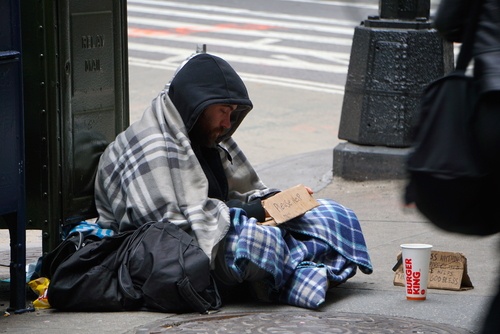
– They started clearing homeless camps and arresting people they deem suspicious
– The mayor left the city on the same day operations began
– Only a small fraction of the homeless population has shelter beds available
– Critics compare her trip to past political figures who left during crises
Federal Forces Move In
This week federal agents and uniformed troops began patrolling the streets of the nation’s capital. They set up checkpoints and started rounding up people living in tents and camps. Officers also detained residents they judged as suspicious. As a result many residents watched in shock as armed forces took over public spaces.
The operation began in the evening hours. Troops moved through parks and sidewalks. They asked people to leave their makeshift homes. Some were taken to processing centers. Others faced arrest for loitering or trespassing on federal property. City leaders warned that anyone living outside could be affected.
Mayor Leaves Town
Meanwhile the city’s mayor boarded a flight out of Washington DC. Officials released a brief statement saying she had a family commitment. They added she would return the following afternoon. Yet the trip coincided with the most intense day of the National Guard operation.
Residents and advocates voiced frustration. They questioned how city leadership could be absent when armed forces began clearing homeless camps. They noted it was the same day troops told people to pack up and leave their only shelter. Critics used the moment to highlight a gap in support for the homeless population.
Homeless Face Shelter Shortage
A local homelessness council warned of dire consequences for people living outside. They said the federal government plans to start clearing all camps at six in the evening. This move could impact people on public land as well as those sleeping on streets.
One homelessness lawyer pointed out that the city lacks enough shelter space. He said about nine hundred people sleep outside each night. Yet the city only has forty beds open in shelters at any given time. As a result hundreds of people may face arrest or removal without anywhere to go.
Advocates called on city leaders to open more shelters. They urged temporary housing measures. They asked for safe parking lots and warming centers. They stressed that clearing camps without offering alternatives only pushes people into darker corners of the city.
Community Leaders Raise Alarm
An editor at a street newspaper expressed alarm over the timing of the sweep. She shared a release from a city homelessness council. The release said the operation will span several districts. It also warned that even people not in marked encampments could face trouble.
Local nonprofits scrambled to respond. Volunteers rushed to distribute blankets and hot meals. Social workers tried to track down people living alone on sidewalks. Yet they admitted they could not help everyone before the sweep began. They feared people would vanish into hidden alleys or storm drains to avoid arrest.
One outreach worker described the scene as desperate. She said people packed their few belongings into plastic bags. Some hid their tents in trash bins. Others tried to bribe officers to leave them alone. The worker called the operation hurried and cruel without a clear plan for care.
Political Fallout
Critics compared the mayor’s absence to past political figures who left during emergencies. They cited a senator who once faced harsh backlash for vacationing abroad as a winter storm battered his home state. They also recalled when floods struck another region and the same lawmaker was out of the country.
Those comparisons stung local activists. They argued that public servants must stay during crises. They noted that leaving at a crucial moment sends a message of neglect. Moreover they said it deepens mistrust between city officials and vulnerable residents.
City spokespersons responded that the mayor loves the city and always returns quickly. They stressed her family event was pre scheduled and unavoidable. Yet they refused to clarify whether the trip was to a popular island destination. This silence only fueled rumors and anger among residents.
Human Impact
Beyond politics the sweep has a real cost. People who struggle with mental illness and addiction face deportation from their only shelter. Families with children fear being torn apart by arrests. Elderly residents with no home struggle to carry their belongings as they move under watchful eyes.
One woman in her sixties said the guards told her she had one hour to leave a park bench. She packed her life into two small bags. Then she followed volunteers who led her to a church basement. Yet that space holds only thirty people and she had no guarantee of a bed.
A young man who served in the military said he slept outside after losing his job. He watched troops shine spotlights on his tent. He wondered why the state would punish someone who once served the country. He confessed he felt betrayed and abandoned by his city.
Calls for a Better Plan
Advocates agree the city can both maintain public safety and protect the homeless. They propose setting up temporary shelters in unused schools and community centers. They suggest converting parking garages into safe sleeping areas. They also urge the city to partner with faith groups for overnight stays.
Some lawmakers introduced bills to fund emergency housing during sweeps. Others want clear rules on when and how to clear camps. They demand notice periods and options to store personal items. They believe compassion and order can coexist.
City council members plan to hold hearings next week. They hope to hold federal and local officials accountable. They want detailed plans on where people will go once their camps close. They also expect to question the timing of the sweep alongside the mayor’s absence.
What Comes Next
As the city braces for more operations the public waits for answers. Will leaders expand shelter options before the next sweep? Will they ensure no one ends up on the street without support? And will the mayor stay in town the next time federal forces mobilize?
For now residents remain tense. They watch armed planes fly overhead and tanks roll through quiet neighborhoods. They wonder who will protect them when the guard stands in for local government. Meanwhile they hope their leaders remember their duty to all citizens.
This story continues to unfold as community groups and city leaders grapple with the challenge. One thing is clear. The way Washington DC addresses homelessness now could shape how other cities respond in the future.