

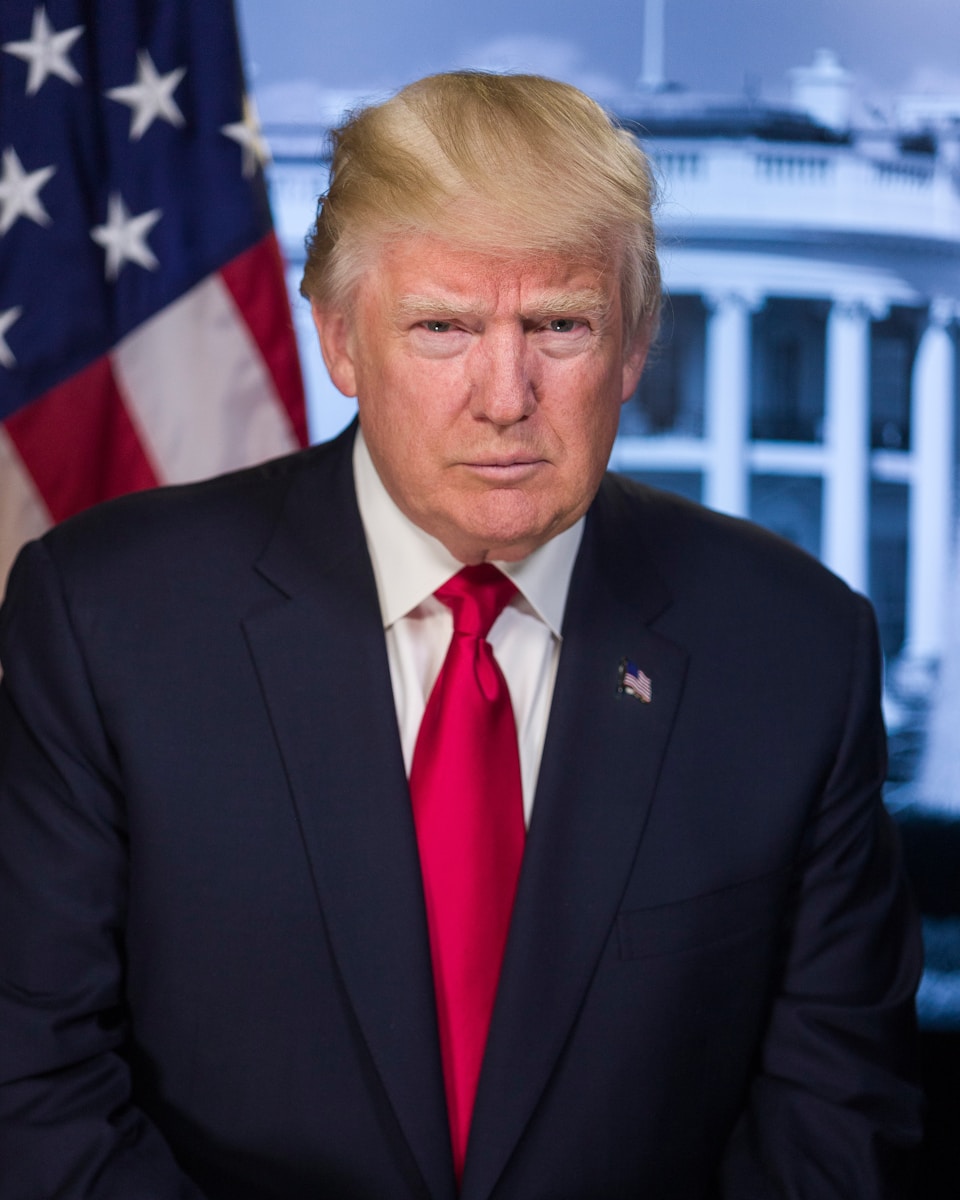

Key Takeaways
– Trump aimed to end the Ukraine war with Putin in Alaska
– He warned of strict sanctions if Putin refused a ceasefire
– A bomber flyover backfired as a sign of respect for Putin
– Experts say the move lifted Putin from isolation
– The show could weaken future US sanctions
Background
Former President Trump met Putin in Alaska to seek a halt to the three year conflict in Ukraine. He promised serious consequences if Putin refused a ceasefire. Trump even scheduled a flyover of American bombers to underline his threat.
The Flyover Plan
First, Trump greeted Putin with a display of B two bombers and F twenty two jets. He assumed this show of force would pressure the Russian leader. The plan relied on the idea that military power would coax Putin into talks. In reality, the jets seemed to impress Putin more than intimidate him.
Putin’s Reaction
Meanwhile, Russian media hailed the event as a triumph for Putin. They described the bomber display as respect from the United States. As a result, Putin’s image in Russia soared. He appeared strong and important once again on the world stage.
Expert View
Later, a retired US diplomat warned that Trump’s tactic backfired. He argued that the flyover revived Putin’s standing both at home and abroad. Rather than isolate him, the US showed deference. Consequently, Putin enjoyed a boost in credibility around the globe.
Domestic Impact in Russia
In Russia, Putin has faced criticism over the costly war in Ukraine. Yet after the Alaska summit, his approval ratings rose. Citizens saw their leader meeting with the former US president under grand conditions. Therefore, they felt pride and support for his leadership.
International Impact
Also, countries under US sanctions watched closely. They saw that Putin could evade isolation with the right allies. They guessed that they too might avoid penalties if they took similar steps. Hence, the US risked losing leverage over nations that dodge its rules.
Signals to Other Nations
Furthermore, the summit sent a bold message to allies and rivals. It suggested that US threats could lack follow through. As a result, some states may now doubt the strength of American sanctions. Next, they might pursue closer ties with Russia without fear of reprisal.
What Happens Next
Now, both the US and Russia face new challenges. Trump will need to show that he can enforce real consequences. Otherwise, his threats may ring hollow. Meanwhile, Putin will seek to build on his renewed prestige to push his agenda.
Possible Sanctions Dilemma
Therefore, the White House must decide how to act if Putin rejects a real ceasefire. It could tighten sanctions and cut off trade. Or it could offer incentives in return for peace. Either choice will shape America’s global standing.
The Peace Negotiation Road
To reach a lasting ceasefire, both sides must give ground. For example, Russia might stop attacks on civilian areas. In turn, Ukraine could agree to neutral status. Yet any deal will need strong enforcement mechanisms.
Risks and Rewards
However, rushing a settlement could leave core issues unresolved. It might embolden other powers to challenge international norms. On the other hand, a true peace would save lives and rebuild trust. Thus, leaders must balance urgency with caution.
The Role of US Leadership
American resolve matters in this process. Strong and consistent leadership can deter aggression. Yet mixed signals may encourage defiance. Consequently, the US must align its words with its actions to maintain credibility.
Public Opinion Matters
In both the United States and Europe, citizens watch these talks closely. They demand peace and accountability. Leaders risk losing support if they appear weak or unclear. As a result, public sentiment could shape final decisions.
Media and Messaging
Moreover, how the world reports on these events will affect perceptions. Positive coverage of a summit win may boost a leader’s image. Conversely, critical reports can stoke doubt and fear. Hence, communication strategy plays a vital role.
Long Term Stakes
Ultimately, the future of Ukraine and global security hinges on these negotiations. If peace holds, it could mark a turning point for diplomatic conflict resolution. If it fails, new confrontations may arise.
Conclusion
In the end, what began as a bold peace effort turned into a risky gamble. Trump’s bomber display elevated Putin instead of pressuring him. As a result, America may face new challenges enforcing its policies. Moving forward, clear strategy and decisive action will prove essential to securing lasting peace.