


Key Takeaways:
- Detroit renamed Peterboro Street to honor Vincent Chin on Cass Avenue.
- Chin’s 1982 death sparked the first pan-Asian American civil rights movement.
- A lenient manslaughter sentence led to nationwide protests for justice.
- New laws and advocacy groups grew from Chin’s case and its aftermath.
- Chin’s legacy still drives social justice efforts today.
Detroit recently unveiled a street sign at Cass Avenue and Peterboro Street. Now it reads Vincent Chin Street. This change honors a man whose death united Asian Americans. Moreover, it reminds us how one life can spark a nationwide movement.
Background on Vincent Chin
Vincent Chin was a 27-year-old draftsman living near Detroit. On June 19, 1982, he celebrated his bachelor party at a local club. Sadly, two white men attacked him. At that time, Detroit faced job losses in car factories. Some blamed Japanese auto makers. In anger, Ronald Ebens and his stepson Michael Nitz wrongly saw Chin as a target. Even after learning he was Chinese, they kept their brutal attack going.
The Deadly Attack and Outrage
After the initial fight, Chin ran outside the club with friends. However, Ebens and Nitz chased him. They found him near a fast-food restaurant. Nitz held Chin down while Ebens struck him with a baseball bat. Two off-duty police officers stopped the beating. Chin lay badly hurt until he died four days later. His last words were, “It’s not fair.” Local courts charged Ebens and Nitz with manslaughter. Yet a judge fined them $3,000 each and gave probation. This sentence shocked Chin’s family and supporters.
Asian American Response
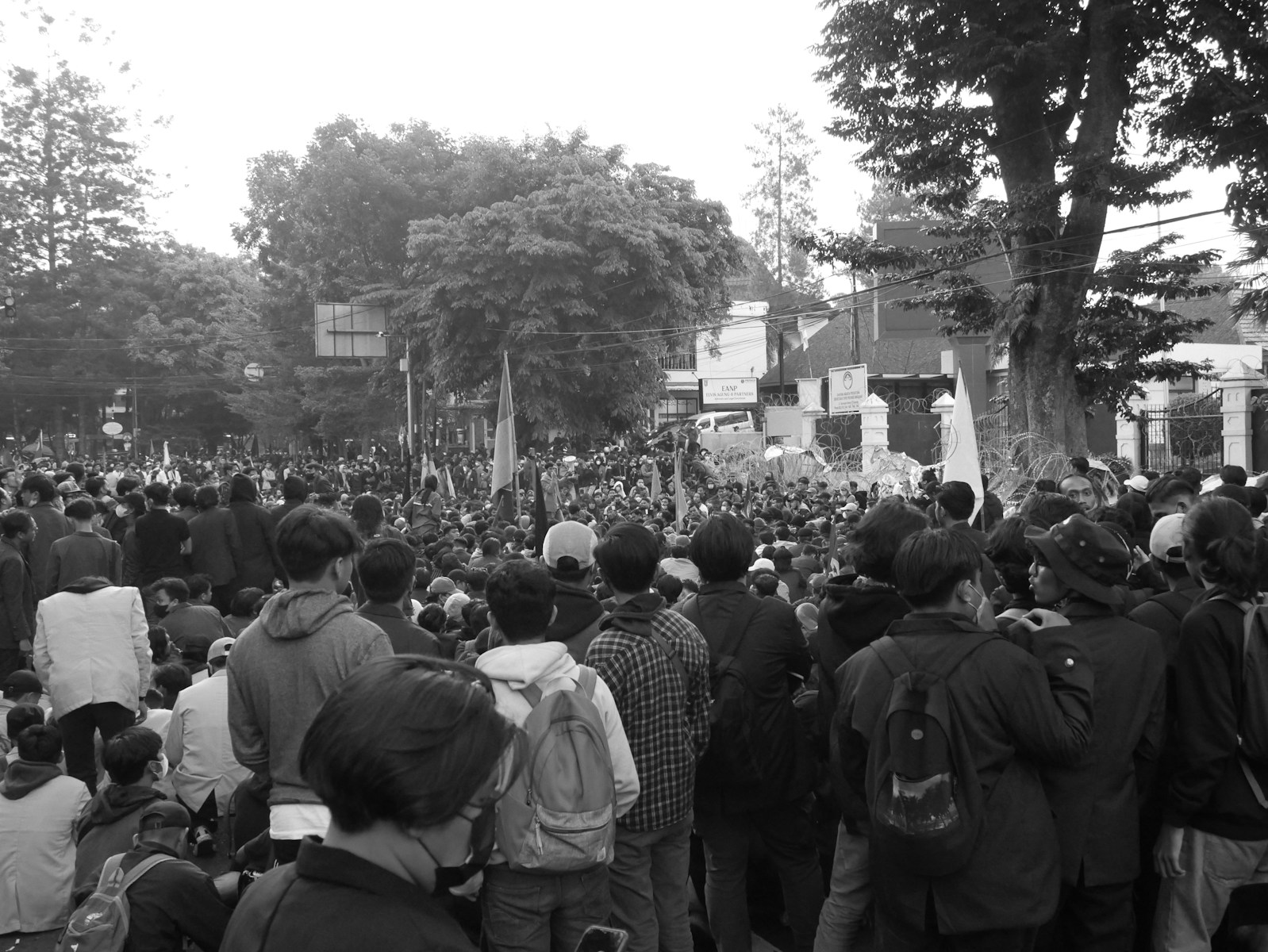
Outrage spread through Asian American communities. People united across ethnic lines for the first time. They formed American Citizens for Justice to demand a federal civil rights case. Lily Chin, Vincent’s mother, became a tireless advocate for her son. She spoke at rallies and in interviews for years. In addition, leaders like Jesse Jackson lent support. Their efforts forced the Justice Department to act.
Vincent Chin’s Role in U.S. Civil Rights
The federal trial in 1984 marked the first time Asian American civil rights were the focus. Nitz was cleared, while Ebens faced a prison term of 25 years. Yet in 1986 an appeals court overturned the conviction. This decision freed Ebens. Later, Chin’s family won a civil suit. Ebens had to pay $1.5 million and Nitz $50,000. Unfortunately, by 2016 Ebens still owed over $8 million due to unpaid interest.
Legal Reforms and New Movements
Chin’s case led to meaningful legal changes in Michigan and beyond. Manslaughter charges now carry stricter rules. Prosecutors must attend sentencing so victims can speak. These victim impact statements are now common nationwide. Moreover, Chin’s tragedy inspired new advocacy groups. Asian Americans Advancing Justice formed in 1991. Decades later, Stop Asian American Pacific Islander Hate launched in 2020. Today, 18 Million Rising fights for justice for all marginalized communities.
The Lasting Impact of Vincent Chin
Decades after his death, Vincent Chin remains a symbol of resilience. His case showed that racism can unite people for positive change. Now, every driver and pedestrian crossing Vincent Chin Street will see his name. This reminder honors his life and the movement he helped start. In the end, Detroit’s renaming sends a clear message: we remember. We learn. We fight for justice together.
Frequently Asked Questions
What led to Vincent Chin’s killing?
A mistaken belief that he was Japanese during an auto industry slump caused racial anger. The attackers assaulted Chin with a baseball bat, leading to his death.
Why was the initial sentence so light?
The judge called the attackers “good people” and felt prison was too harsh. This lenient sentence sparked public outrage.
How did Asian Americans respond?
They formed American Citizens for Justice and pressured the federal government. Their unity marked the start of a pan-Asian American movement.
What changes followed the case?
Victims gained the right to speak at sentencing. Legal standards for pleading manslaughter tightened. New civil rights groups emerged.