


Key takeaways:
- The vice president spoke openly about the Bolton investigation.
- A former Trump official says his role is unusually close.
- Critics worry about political motives driving the probe.
- Experts stress investigations must remain independent.
Bolton investigation under the spotlight
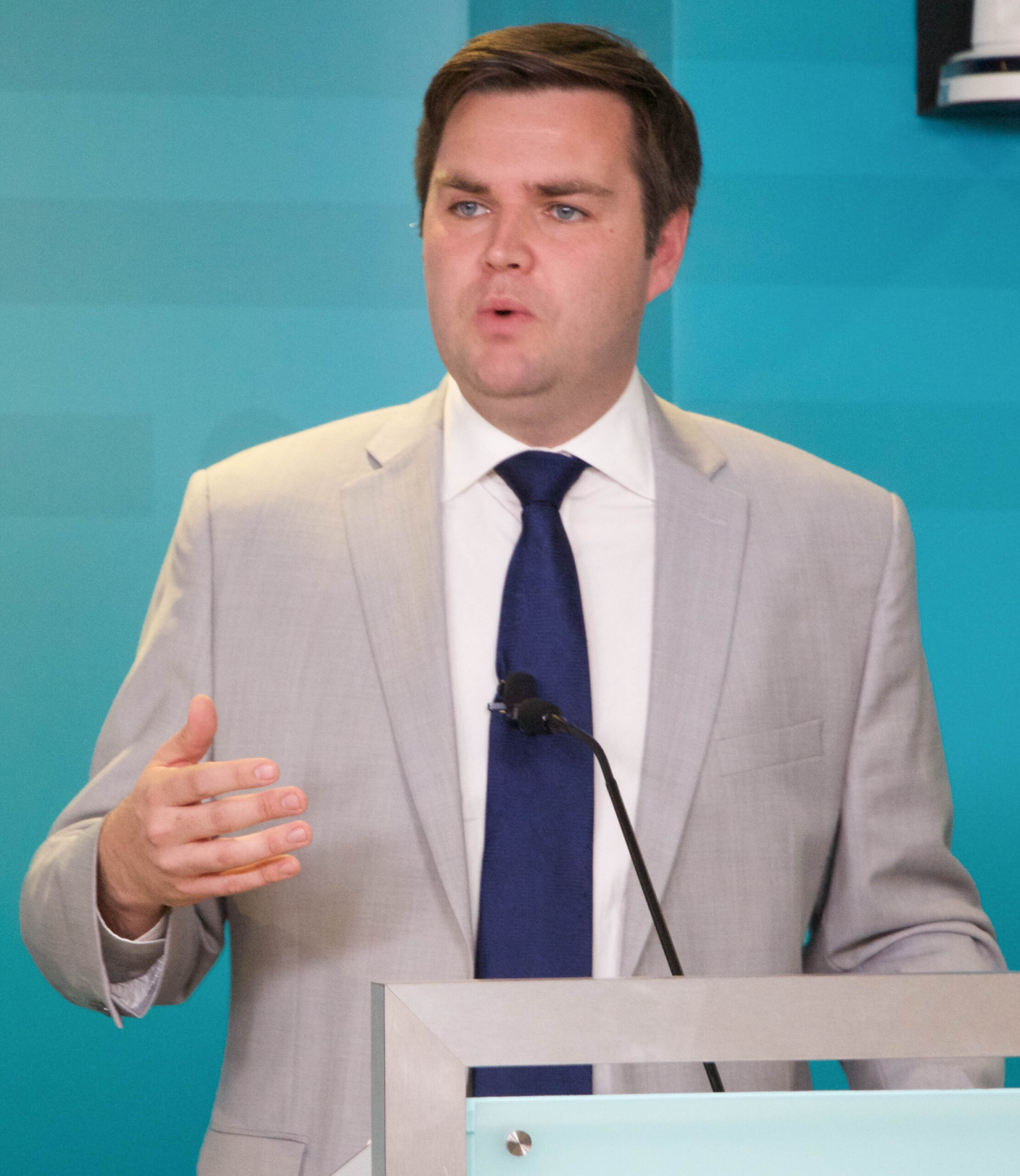
Vice President J.D. Vance gave a rare, detailed comment on the Bolton investigation during an NBC interview. He said the Justice Department will follow the law and avoid political bias. Yet a former Department of Homeland Security official warned this level of involvement is “very, very unusual.” He said the vice president should keep a distance from a criminal probe.
Why is this debate growing?
It all began when the FBI secured a warrant to search John Bolton’s home and office. Bolton once served as national security advisor under President Trump. The raid came after the CIA reportedly shared evidence with the FBI director. Then Vance spoke with NBC’s Kristin Welker. He described how the probe will work and stressed fairness.
Key statements from J.D. Vance
Vance said, “We are investigating Ambassador Bolton, but if they bring a case, it will be because they see broken laws.” He added, “We will be careful and deliberate. Even political opponents deserve due process.” He stressed that legal rules will guide decisions, not politics. These comments aimed to calm fears of a partisan attack.
A former official sounds the alarm
On MSNBC’s The Weekend, former DHS official Miles Taylor watched a clip of the NBC interview. He raised concerns about the vice president’s access. He said a VP typically stays at arm’s length from criminal probes. He noted that the CIA director might have handed evidence to the FBI. He warned that top aides who know Trump’s wish for revenge seem too close to the case.
Taylor said it looked unprecedented that senior Trump officials were personally tied to the Bolton investigation. He pointed out that Trump has long wanted Bolton scrutinized. Taylor found it hard to believe that the probe was purely coincidental and free of revenge.
How legal experts view the vice president’s role
Several legal scholars say elected officials should avoid public comments on ongoing criminal matters. They worry such remarks can influence witnesses or jurors. Moreover, they fear that political leaders might sway investigators or prosecutors. In fact, the Department of Justice has guidelines to keep politics out of criminal probes. Those guidelines urge caution when high-ranking public figures speak on active investigations.
Experts say:
• Public statements from officials can affect juror impartiality.
• Investigations risk losing credibility if driven by politics.
• Legal teams often advise leaders to refrain from comment.
• Fair trials depend on an arm’s-length distance between politics and law.
What this means for the Bolton investigation
The debate over Vance’s involvement adds new uncertainty to the Bolton investigation. If prosecutors bring charges, critics will likely question whether politics played a role. Even if courts dismiss bias claims, the public may remain skeptical. Trust in the justice system depends on clear boundaries between political leaders and federal probes.
Potential outcomes for John Bolton
John Bolton faces possible charges related to classified documents. He denies any wrongdoing. Bolton says he cooperated fully with investigators. He also blasted the raid as politically motivated. If the case proceeds, a court will decide on evidence and intent. Bolton’s defense team may use Vance’s comments to argue bias.
Reactions from both parties
Republicans supporting Vance say his remarks show confidence in a fair process. They argue he simply defends due process for all Americans. Meanwhile, Democrats and some former administration officials warn of abuse of power. They say a vice president should not review classified evidence or comment extensively on an active investigation.
What comes next in the Bolton investigation?
The Justice Department will decide whether to file formal charges against Bolton. That decision could take weeks or months. If charges are filed, pretrial hearings will examine evidence and judge potential bias. Meanwhile, the public will keep watching to see if political motives taint the probe.
Why transparency matters
Regardless of the outcome, transparency can build trust. Clear explanations of how evidence was gathered are vital. Officials must follow strict protocols to avoid conflicts of interest. Independent monitors or special counsels sometimes step in to maintain public trust. In this case, calls for an independent review may grow louder.
Key questions to watch
• Will the Justice Department appoint an independent investigator?
• Can the vice president show he did not influence the probe?
• How will Bolton’s team respond to claims of political bias?
• What safeguards can ensure a fair trial?
Moving forward with integrity
For democracy to work, legal processes must stand apart from politics. Leaders should support fair investigations without becoming part of them. They must avoid comments that suggest outcomes are preordained. In this instance, Vance’s careful words may not be enough to erase doubts. Only time and transparent actions will answer whether the Bolton investigation stays true to its legal mission.
Frequently asked questions
Why do people worry about political influence in an investigation?
When high-ranking officials comment on live probes, it can seem like politics drove the process. This perception can reduce public trust and affect jury views.
Could J.D. Vance face any consequences for his comments?
Generally, elected officials have broad free speech rights. However, if a court finds bias or undue influence, it could delay or complicate the case.
What might happen if the Justice Department finds no wrongdoing?
If prosecutors clear Bolton, questions about the raid’s purpose may linger. Critics will likely ask why a major operation targeted him in the first place.
How can the justice system ensure fairness in this case?
Following strict guidelines, using independent reviews, and limiting public comments can help maintain a clear line between politics and law.