


Key Takeaways
• The Smithsonian review aims to reshape how America’s story is told.
• Calling the plan “Orwellian” means it could erase or change facts.
• Controlling history can harm free speech and honest debate.
• We must watch for any attempts to hide or rewrite past events.
Why the Smithsonian Review Feels Orwellian
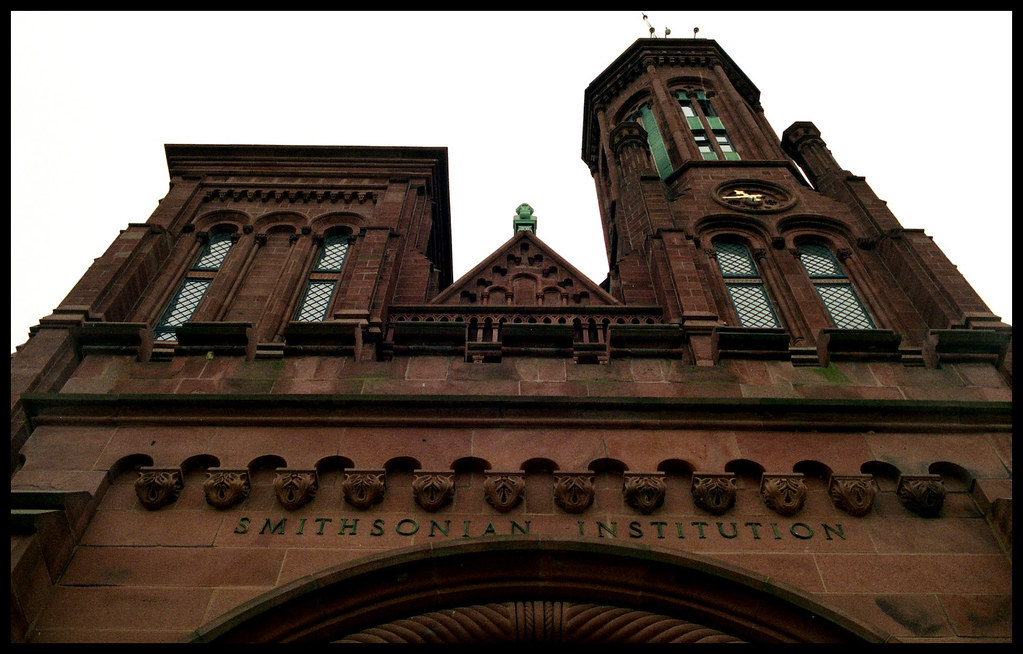
The word “Orwellian” comes from George Orwell’s novel 1984. It warns us about a government that controls truth. Now, the Smithsonian, a group of 21 museums and a zoo, faces a review ordered by former President Trump. He wants exhibits to focus on American success and cut out stories he calls “divisive.” This feels like an effort to pick only certain facts. That is why many see it as an Orwellian move.
What Does “Orwellian” Mean?
When people say something is Orwellian, they mean it uses power to crush free speech. It also tries to change or delete facts that don’t fit one view. In Orwell’s book, agents erase records that the ruling party dislikes. They toss them down “memory holes” so no one can prove they ever existed. By changing history, the rulers control how people think today and tomorrow.
Orwellian History in Action
In Trump’s plan, the Smithsonian staff must check exhibits for a “commitment to celebrate American exceptionalism.” They must remove anything “partisan” or “divisive.” Some worry this will push out stories about slavery, women’s rights, or civil rights heroes. Those tales often show America’s flaws. Yet learning about those flaws helps us grow. If we refuse to show hard parts of our past, we risk living in a false bubble.
How Controlling History Hurts Society
Free societies grow when people can share different views. Honest debate helps us learn and fix mistakes. But if one group jails or silences other voices, then ideas die. An Orwellian system kills debate by declaring some facts illegal. It shames people who speak up against the official story. Over time, people start to doubt their own memories. They fear punishment if they note anything that disagrees with the “approved” truth.
Memory Holes and Fact Deletion
Even before the Smithsonian review, government sites removed pages on the Enola Gay plane. That happened because the word “gay” triggered an automated purge of LGBTQ+ terms. They also deleted pages about Harriet Tubman and her work on the Underground Railroad. Citizens protested, and those pages returned. But these errors show how fast facts can vanish. A true Orwellian plan would never let them come back.
Signs of an Orwellian Agenda
• Rules that force museums to only show happy stories.
• Orders to remove or rewrite exhibits about tough issues.
• Threats or public shaming of curators who keep those displays.
• Official warnings against “political” or “divisive” history.
Each sign points to a system that fears the truth. History is messy. It holds wins and losses. Telling only one side creates a warped view of the past.
Why Free Speech Matters for History
George Orwell believed in objective truth. He knew we need freedom of speech to find that truth. He wrote that whoever controls the present can shape the past. If we let one group hold all the power, history becomes a tool of politics. It stops being a search for truth and turns into propaganda.
Lessons from the 1976 Bicentennial
In 1976, America marked 200 years of independence with open debate. Citizens asked, “Whose story did we leave out?” They added tales of women, Native Americans, and African Americans. The result felt richer and more honest. By contrast, the 250th anniversary is shaping up as a top-down event. Officials want a narrow story of pride only. That narrow story risks being an Orwellian vision rather than a true celebration.
How to Keep History Honest
We can guard against Orwellian moves by:
• Supporting museum staff who seek diverse views.
• Speaking out when exhibits get censored or altered.
• Learning history from many sources, not just one.
• Teaching young people to ask questions, not just accept what they see.
When more voices join the conversation, history stays alive and real. It grows with new findings and fresh ideas. That keeps society strong.
The Thin Line Between Pride and Propaganda
It feels good to highlight national successes. Yet when pride becomes propaganda, it hides truth. A monument that tells only the good parts of history fails to teach real lessons. It makes us blind to dangers we once faced. It stops us from fixing old mistakes. An Orwellian system pretends progress means ignoring pain. In truth, respect for all stories makes progress deeper and more lasting.
What You Can Do
Visit museums and ask questions. Notice if certain topics vanish or get watered down. Support schools and programs that teach history in full. Talk with friends and family about why both wins and losses matter. When citizens pay attention, they block efforts to rewrite the past.
Orwell showed us the danger of letting power crush free thought. We must stay alert for the same threats today. Only then can we keep history honest. We owe it to ourselves and to future generations.
Frequently Asked Questions
Why is the Smithsonian review seen as censoring history?
Because it asks curators to remove or change exhibits that do not fit an upbeat story. This can erase facts and voices that challenge a single narrative.
How does controlling history affect our future?
When we hide past mistakes, we repeat them. We also lose lessons about how to solve problems. Honest history helps us make better choices ahead.
Can museums resist political pressure?
Some curators speak out and seek public support. Laws and museum charters often protect their right to present facts. Public interest can strengthen those protections.
What does Orwell teach us about free speech?
Orwell teaches that free speech is vital to finding truth. Without it, power can twist facts, silence dissent, and reshape reality. We must defend open dialogue to keep history real.