

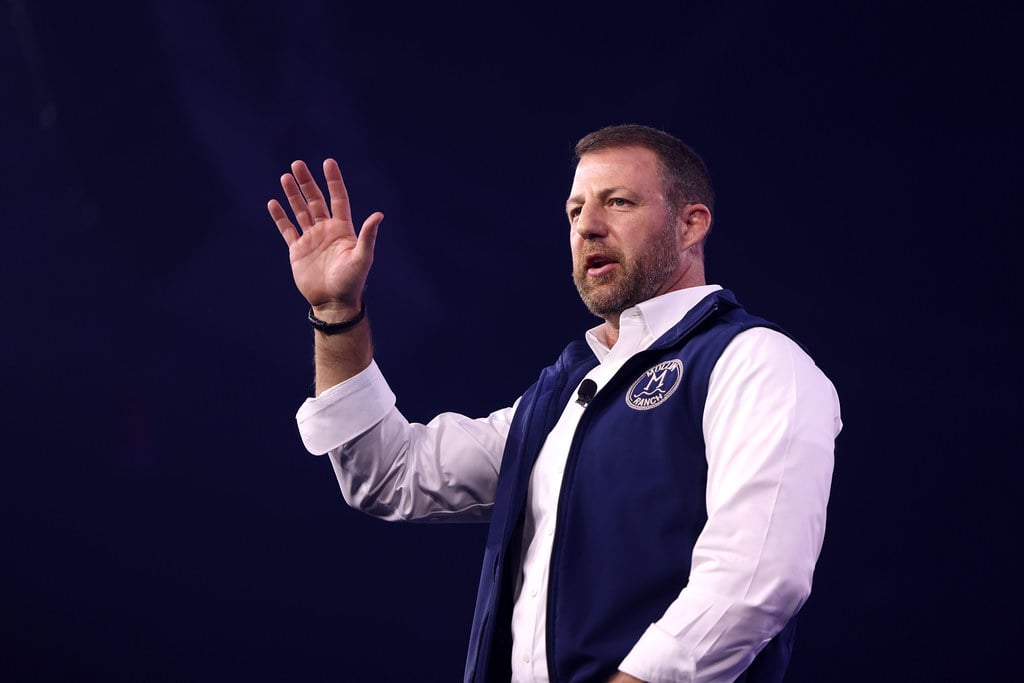

Key takeaways:
- Senator Mullin skips seatbelt in D.C. over carjacking fears.
- Analysts criticize his tough talk and fear of Black residents.
- Experts say carjacking rates in D.C. are actually falling.
- Local juvenile justice policy links to auto crime trends.
- National Guard deployment adds political drama to safety.
Why Carjacking Worries a Senator
Senator Markwayne Mullin held a Fox News interview on Friday afternoon. During the chat, he told host Brian Kilmeade he avoids seatbelts in Washington. Originally, he said he trusts seatbelts in every other city. Yet in D.C., he fears carjacking attempts. He explained that attackers could trap him with a belt. Therefore, he wants to slip out fast if danger strikes.
Mullin grew up in Oklahoma and entered the U.S. Senate in 2023. Before politics, he fought professionally in mixed martial arts. He once claimed he could handle any physical threat. However, the senator said urban crime remains a real risk. He recalled tales of congressional aides forced out at gunpoint. In his view, a seatbelt could turn a quick attack into a deadly trap.
Moreover, Senator Mullin backed nationwide seatbelt laws in past sessions. He argued that seatbelts save lives on highways. Still, he sees Washington’s streets differently. He said crime reports show a spike in carjacking incidents. Carjacking means thieves steal cars by threatening drivers inside. He insisted his fear isn’t a refusal to follow law. Instead, he said it reflects local crime realities.
Meanwhile, President Trump called in the National Guard to support D.C. police. The Guard arrived under the claim that crime has spiked. Senator Mullin’s seatbelt decision quickly joined a heated debate. The senator’s remarks also raised eyebrows among Capitol colleagues. Some agreed D.C. crime needs tougher action. Conversely, others mocked rejecting basic safety gear to avoid belt entrapment. They questioned how skipping a seatbelt could help in an attack. They also noted speeding raises crash risks.
During the following weekend, social media amplified the seatbelt story. Tweets flew with memes about a senator fearing carjacking more than bullets. Yet some comments expressed real anxiety about city crime. This mix of humor and genuine fear shows how public talk on crime blends serious with absurd. Meanwhile, officials must navigate public sentiment to craft practical policy.
Where Are Carjacking Rates Headed?
This past year, Washington police recorded over 500 carjacking reports. Yet recent months show a clear downward trend. Data for January through March reveal a 15 percent drop compared to last year. Moreover, investigators made dozens of arrests linked to stolen vehicles. Police chiefs credit better tactics like sting operations and increased patrols.
However, citizen surveys reveal ongoing worry about carjacking. Many drivers lock doors the moment they park. Some avoid driving after dusk. In fact, rideshare drivers said they altered routes to skip certain neighborhoods. Consequently, public perception of crime remains high despite falling numbers.
Beyond police action, policy changes play a role in crime patterns. In 2022, the D.C. Council raised the age for adult charging from 16 to 17. Critics blamed this shift for an uptick in auto theft and carjacking among teens. Last month, council members agreed to review that rule. They plan to consider lowering the age again. Advocates for tougher juvenile justice believe stricter laws can deter young offenders.
In contrast, youth advocates warn that harsher penalties could harm rehabilitation. They argue supportive programs in schools and community centers yield better results. Meanwhile, social workers propose more funding for mental health and job training. They insist such services can steer young people away from crime.
Dave Weigel, an experienced political reporter, weighed in on carjacking trends. He noted that despite recent drops, some still insist no crime is acceptable. He called that outlook unrealistic yet understandable. He questioned why Senator Mullin would boast about fear over a crime on the decline.
What Does This Mean for D.C.?
Senator Mullin’s seatbelt stance and the debate over carjacking underscore deeper tensions in D.C. politics. On one side, officials seek to reassure the public by sending the National Guard and launching new crime units. On the other, they face criticism for playing up fears ahead of elections.
Furthermore, relationships between local and federal authorities can complicate matters. The National Guard reports to the president, while D.C. police answer to the mayor and council. This unusual structure can lead to mixed messages on safety and policy. As a result, residents may feel both protected and unsettled.
Moreover, crime narratives often shape public opinion on broader issues. Fear of carjacking can influence views on funding for police versus social services. Some community groups push for more officers on patrol. Others advocate for mental health outreach and youth programs. Both sides reference carjacking trends to bolster their arguments.
Importantly, clear and honest data can ease tensions. When leaders share up-to-date crime reports, they help the public understand real risks. They also show when safety initiatives succeed or need adjustment. Transparency in juvenile justice policy could further build trust.
In the meantime, everyday residents continue their routines. They drive to work, run errands, and pick up kids from school. Despite fear of carjacking, most do not change where they live. They balance caution with normal life, hoping officials address crime without stoking panic.
Finally, the debate around carjacking and seatbelts reminds us of the power of perception. Even a former fighter can feel vulnerable when crime talk turns personal. His choice to skip a seatbelt shines a spotlight on how safety tools and fear intersect. In turn, it challenges leaders and citizens to find practical, balanced solutions.
Frequently Asked Questions
Why did Senator Mullin skip his seatbelt in D.C.?
He said he feared being trapped during a carjacking attack. He wears his belt everywhere else.
Are carjacking rates in Washington D.C. really high?
Recent data show carjacking reports have fallen about 15 percent this year. Yet public worry remains strong.
What policy changes affect juvenile crime in D.C.?
The D.C. Council raised the age for adult charges from 16 to 17. They now plan to revisit that rule.
How did analysts react to Mullin’s comments?
They criticized his fear, noting his mixed martial arts past. They also pointed out carjacking rates are improving.