


Key Takeaways
- President Trump plans to send more National Guard troops to U.S. cities.
- Expert Ruth Ben-Ghiat warns this may harm the military reputation.
- She compares the plan to tactics used by far-right dictators.
- Americans may grow used to seeing soldiers police the streets.
- A weakened military reputation could cost the nation trust and unity.
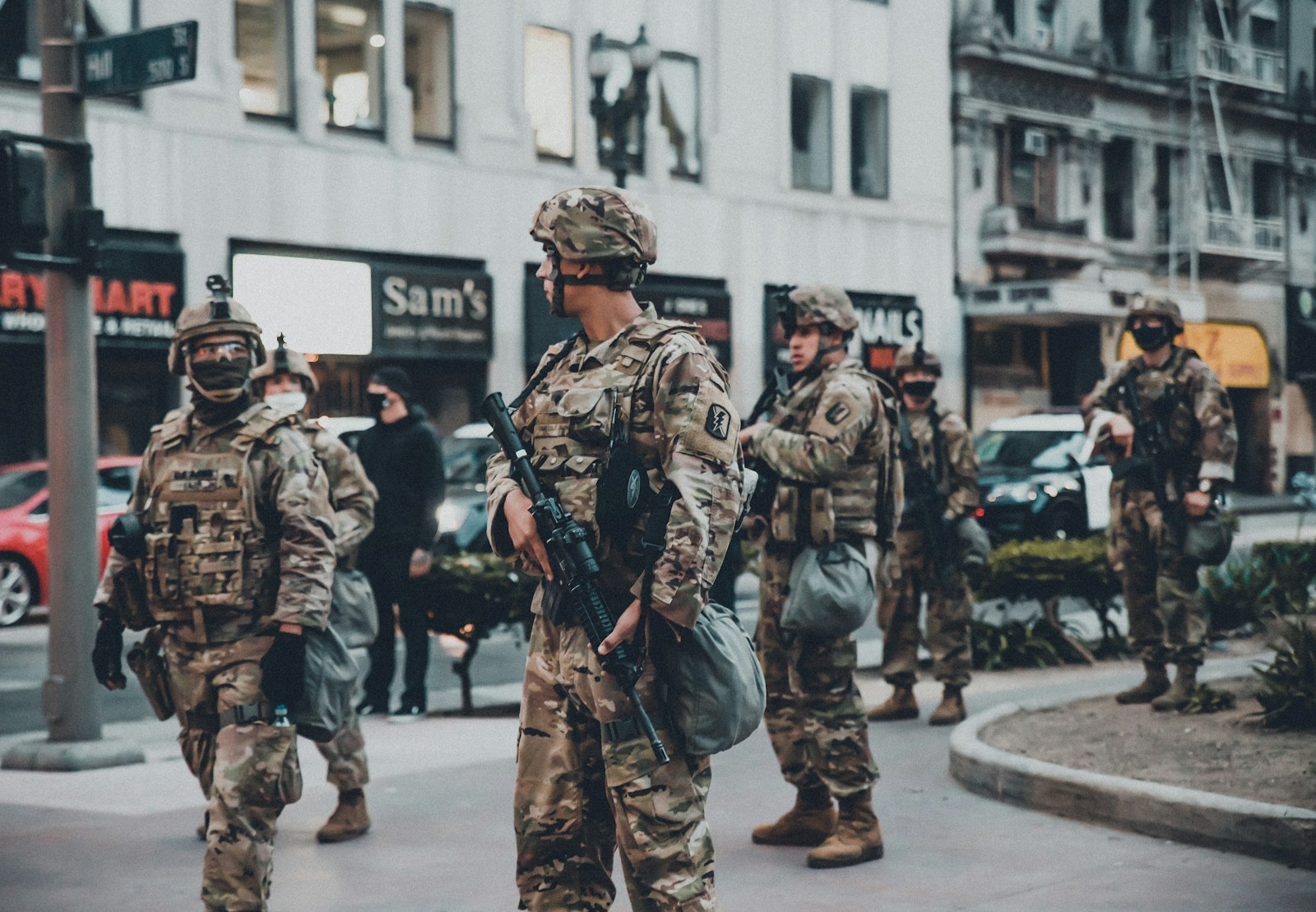
America faces a debate about using the military at home. President Trump says he can send National Guard units to many cities. He claims this helps with safety and immigration tasks. Yet experts warn this may erode the military reputation Americans have trusted for decades. In addition, they fear the move conditions people to accept troops as police.
Why Military Reputation Matters
The term military reputation means how much people trust their armed forces. A strong reputation means civilians see the military as a protector at home and abroad. For example, after hurricanes or wildfires, the Guard often helps clean roads and deliver supplies. This builds a bond between troops and towns. Moreover, allies rely on that same trust when sharing defense duties. Therefore, any harm to this trust can weaken both domestic support and global alliances.
When civilians trust the military, they feel safer. They back service members with respect and thanks. However, if the Guard shifts roles, people might question its purpose. They could start to see soldiers as enforcers, not helpers. In turn, the military reputation could suffer a lasting blow.
How Deployments Could Harm Military Reputation
When soldiers appear on city streets, they can seem like an occupying force. In a recent interview, New York University professor Ruth Ben-Ghiat said this tactic echoes far-right dictatorships. She explained that constant troop presence has two goals. First, it intimidates. Second, it makes people see soldiers policing civilians as normal. Gradually, Americans may stop asking why the military handles local law and order.
Once that shift happens, the military reputation risks becoming tied to one political view. Then, when administrations change, people may distrust the Guard and broader forces. This weakens morale among troops. It also discourages recruits who worry about being used for political aims. Ultimately, a damaged military reputation can erode the very backbone of national defense.
Lessons from History
History offers clear lessons. In the 1970s, Chile’s military morphed into a tool of state terror. Soldiers who once helped after earthquakes turned against citizens. The public lost all faith in the army. In Germany during the 1930s, special units enforced political loyalty in cities. The line between defense and oppression vanished. Once these forces lost credibility, they could not regain it.
Other cases show that once troops enforce political agendas, citizens revolt. They protest, resist, and sometimes take up arms. Indeed, after any regime change, the military must work years to rebuild trust. Therefore, experts warn that America cannot risk a similar path. If the Guard’s mission shifts too far into law enforcement, the military reputation could never fully recover.
The White House Plan
The administration said it will use Title 32 to deploy National Guard units to 19 states by the end of September. Under Title 32, governors keep control of their troops. This keeps the plan within a law that usually bars the regular army from police roles. Still, the Guard will assist immigration officers in arrests and border tasks. Furthermore, the president has threatened to send active-duty troops into cities like Chicago and New York.
Many mayors and governors say they will not ask for more troops. They worry about unclear rules and oversight. They also point out that local police and community groups can handle most public safety needs. So far, some leaders have publicly refused. Others have set strict conditions, saying they want accountability reports after each mission. These moves aim to preserve civilian control and prevent mission creep.
What Citizens Should Watch For
First, note how often you see uniformed troops in your area. Next, pay attention when they act like police officers—questioning, detaining, or dispersing crowds. Also, watch for any orders that limit protests or free speech under military authority. Whenever soldiers start controlling civilians, the line between defense and control blurs. Then, public opinion can shift fast.
Moreover, talk to neighbors and local journalists about troop actions. Share your concerns at town halls and online city meetings. By staying alert, citizens can highlight potential abuses. In turn, they help protect the military reputation. After all, an informed public remains the best guard against overreach.
Voices of Concern
Retired generals join the warnings. One former Army major general called the plan “abhorrent” because it targets only certain cities. He compared the selective deployments to tactics seen in 1930s Europe. Additionally, civil rights groups fear that minority neighborhoods will face heavier patrols. They worry this could spark fear instead of calm. Indeed, data shows heavy troop presence can raise tensions, not ease them.
On a recent news show, Professor Ben-Ghiat stressed that optics matter greatly. She said the administration aims to show strength through force. Yet, she warned this visual theater risks turning protectors into symbols of oppression. As a result, the very idea of service and sacrifice could lose its meaning. When that happens, military reputation suffers most.
Possible Paths Forward
Americans can speak up through local leaders and state officials. They can ask for clear rules about mission goals, civil rights protections, and troop conduct. In addition, legislatures can hold hearings to review Title 32 rules and potential loopholes. Courts might also weigh in if deployments exceed legal limits.
Community groups can set up independent volunteer monitors. They can track each Guard arrival, document actions, and report any misuse. In turn, media outlets can share these findings to keep the public informed. By working together, citizens and officials can set firm boundaries. This approach helps maintain a strong and honorable military reputation.
The Stakes for Tomorrow
In the end, a strong military reputation binds the country together. It reassures allies, deters enemies, and comforts families at home. On the other hand, a harmed reputation can sow distrust, fuel division, and weaken defense. If people see soldiers as opponents, they may resist essential missions. Disaster relief, training exercises, and overseas alliances could all suffer.
Therefore, the debate over using the National Guard at home is not just political. It tests the core values that built America. Will leaders preserve the Guard’s role as defender and helper? Or will they stretch its mission into a tool of intimidation? At this crossroads, the nation faces a critical choice: maintain trust or risk losing it.
FAQs
What is Title 32 and does it let the military act like police?
Title 32 lets governors use National Guard troops under state control. It avoids breaking rules that bar the regular army from police duties. Still, many say it blurs the vital line between defense and law enforcement.
Why do experts warn about harming military reputation?
They fear troops may grow tied to political aims, not public service. Once citizens see soldiers as enforcers, trust erodes. Rebuilding that trust can take decades, even after rule changes.
How do past examples show this risk?
Dictators in Chile and Germany turned armies into tools of state terror. Soldiers who once helped civilians became oppressors. In each case, the military reputation died and never fully returned.
What can citizens do to protect military reputation?
They can call for clear rules, strong oversight, and public reports on each deployment. They can monitor troop actions and speak out at town halls. Staying informed and engaged helps keep the Guard focused on its true mission.