


Key Takeaways
- Donald Trump stunned viewers by making South Korea criticism during a meeting with President Lee Jae Myung.
- He accused South Korea of political and religious persecution and mass executions.
- MSNBC hosts reacted with confusion and surprise at his statements.
- Experts say this topsy-turvy approach reveals an unpredictable foreign policy style.
- The unexpected South Korea criticism raises questions about U.S.-ROK relations.
Surprising South Korea Criticism from Trump
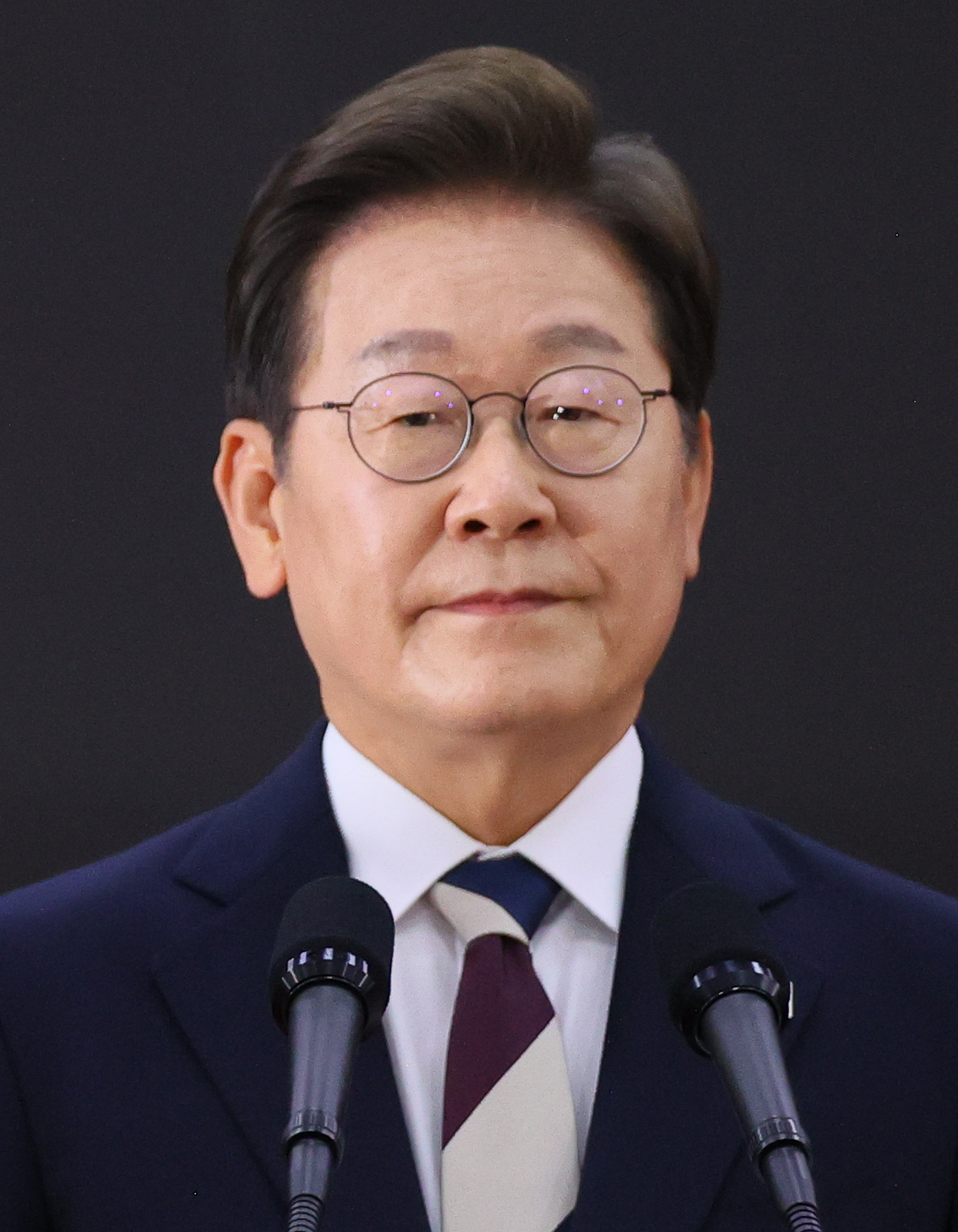
Donald Trump met South Korean President Lee Jae Myung in the Oval Office. Instead of praising his guest, Trump made harsh claims about South Korea. His words shocked a panel on MSNBC’s Morning Joe. They had expected praise or friendly talk. Instead, Trump launched into a South Korea criticism that left hosts speechless.
What Fueled Trump’s South Korea Criticism?
Trump has often praised North Korea’s Kim Jong-un. Yet, this time, he blamed South Korea for the worst abuses. He said people face mass executions and religious persecution there. Moreover, he claimed the government treats political opponents like criminals. Such South Korea criticism stands in stark contrast to past U.S. support for its ally.
The Oval Office Confusion
Before the meeting, Trump spoke about freedom and human rights. However, he targeted South Korea instead of North Korea. His comments confused many, including his own press aides. They had prepared positive talking points to highlight the U.S.-South Korea alliance. Yet Trump ignored them and shifted the focus. As a result, the event turned awkward.
MSNBC Panel’s Reaction
During Morning Joe, Jonathan Lemire summarized Trump’s remarks. He noted that the president spent days bashing South Korea. Then co-host Joe Scarborough interrupted in disbelief. “In Korea?” he asked. Lemire confirmed, “In South Korea.” Scarborough couldn’t hide his shock. He asked if people got “fed to the dogs” just because they disagreed with leaders. Lemire repeated Trump’s claim: “There are mass executions of political foes.” Their stunned reactions highlighted the oddity of the South Korea criticism.
Why This Matters for U.S.-ROK Relations
First, South Korea is a key U.S. ally. Joint military drills and free trade agreements bind the two nations. Next, any harsh words can strain trust between presidents. Moreover, U.S. troops station in South Korea to deter North Korean threats. If Washington criticizes Seoul, it may weaken the deterrent. Furthermore, South Korea faces real division with North Korea. U.S. support remains vital for peace and stability. Finally, erratic comments may confuse both allies and adversaries. This could embolden North Korea instead of containing it.
A Topsy-Turvy Foreign Policy
Trump’s tendency to praise dictators and criticize allies has long drawn scrutiny. His South Korea criticism adds another twist. On one hand, he labels long-time friends as weak or corrupt. On the other, he calls notorious dictators “very smart” or “strong.” Consequently, allies worry about unpredictable U.S. positions. At the same time, rivals may see this as an opportunity to advance their agendas.
How Leaders Might Respond
South Korean officials have yet to respond publicly to Trump’s remarks. However, diplomats often work behind the scenes to smooth over tensions. They will likely stress the importance of the alliance and shared goals. Meanwhile, U.S. lawmakers may question the president’s strategy. They could hold hearings or issue statements. In turn, global media will watch closely for any shifts in policy.
What Comes Next?
First, expect more careful briefings before high-profile meetings. Staffers will try to steer conversations toward positive cooperation. However, Trump’s unpredictable style may still break through. Second, South Korea will likely reaffirm its commitment to the U.S. partnership. Third, analysts will monitor statements from both presidents. Finally, public opinion in South Korea might shift if the criticism repeats.
Conclusion
Donald Trump’s South Korea criticism has created a stir. His unexpected attack on a key ally left many viewers and experts puzzled. As the U.S. and South Korea work together on security and trade, clear communication remains vital. Ultimately, this event underscores how a single remark can ripple across global politics.
Frequently Asked Questions
Why did Trump target South Korea instead of North Korea?
He may have mixed up facts or aimed to criticize allies to push his foreign policy style. His praise of North Korea’s leader showed a pattern of surprising remarks.
Could this criticism harm U.S.-South Korea relations?
In the short term, it could cause confusion and require diplomatic damage control. However, both governments value their alliance and will likely work to clarify and strengthen ties.
How have South Korean officials reacted so far?
They have not made official statements. Diplomats generally address such issues quietly to avoid public escalation.
What does this mean for future meetings with allies?
Staffers will likely prepare stricter talking points. Yet, unpredictable comments may still emerge. This event highlights the need for vigilance in diplomatic conversations.