

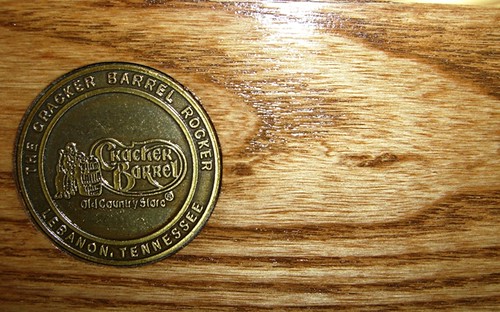

The Cracker Barrel logo remains unchanged after fans rejected a modern redesign. The company listened to its loyal customers, proving how powerful brand identity and nostalgia can be in shaping business decisions.
Why the Cracker Barrel Logo Change Caused a Stir
The Cracker Barrel logo change quickly became a talking point nationwide. Known for its cozy, country vibe — rocking chairs, cast-iron skillets, and hearty breakfasts — Cracker Barrel tried modernizing its brand image.
But when the company revealed a new logo without the beloved “Old Timer” character, customers felt something was missing. Fans flooded social media with customer backlash, claiming the new design erased decades of tradition and family memories.
External brand experts at Adweek highlight that sudden logo redesigns often risk alienating loyal audiences who feel emotionally tied to a brand’s visual identity. Cracker Barrel became the latest example of this challenge.
What Happened to the New Cracker Barrel Logo?
The new Cracker Barrel logo redesign was sleek, minimalistic, and free of the iconic Old Timer. While it may have been intended to modernize the restaurant’s identity, the change backfired.
Longtime guests felt the redesign made the brand less warm and inviting, with some fearing it signaled bigger changes to come. Instead of ignoring criticism, Cracker Barrel responded swiftly, announcing the return of its classic design.
The company’s official statement read: “We thank our guests for sharing your voices and love for Cracker Barrel. We said we would listen, and we have. Our new logo is going away and our Old Timer will remain.”
For deeper context on the reversal, you can read more in our coverage of the Cracker Barrel rebranding reversal.
Fans Celebrate the Cracker Barrel Logo’s Comeback
The return of the classic Cracker Barrel logo was met with joy across social platforms. Customers expressed relief, saying the Old Timer symbolized tradition, family, and comfort.
One user wrote, “Cracker Barrel without the Old Timer just isn’t Cracker Barrel.” Another added, “Glad to see a company care more about tradition than trends.”
This wave of positive feedback demonstrated the strong link between brand identity and customer loyalty. Our blog on the Cracker Barrel logo change debate dives deeper into why this decision resonated so strongly with fans.
Why Logo Changes Can Be Risky for Brands
Changing a logo can help modernize a business, but if done poorly, it can harm customer trust. The Cracker Barrel logo redesign teaches an important lesson: change without customer buy-in risks alienating your core audience.
This risk is not unique. Tropicana once scrapped its new orange juice packaging after a 20% sales drop. Similarly, Gap reverted its 2010 logo redesign within a week due to overwhelming criticism. Forbes notes that successful branding depends on emotional continuity as much as visual refreshes.
When companies forget the emotional connection tied to a logo, the backlash can be stronger than expected. For Cracker Barrel, the Old Timer isn’t just a picture; it’s a symbol of comfort, tradition, and family memories.
What Brands Can Learn from the Cracker Barrel Logo Situation
The debate over the Cracker Barrel logo change holds valuable insights for businesses navigating their own branding choices. Before diving into key lessons, it’s important to understand that logos are deeply tied to a company’s story and legacy. When fans push back, it’s rarely just about the design; it’s about what the design represents.
Here are three takeaways from the Cracker Barrel situation:
-
Know your audience
Longtime fans often have strong emotional connections to brand identity. Protecting that history builds loyalty. -
Listen to feedback
Companies that act quickly when faced with customer backlash show integrity and care, strengthening their reputation. -
Don’t fix what isn’t broken
Change should solve real problems. If a logo redesign alienates your base, it’s not worth the risk.
As Harvard Business Review explains, customer trust is one of the most valuable assets a brand can protect. Cracker Barrel’s quick pivot is now a case study in doing just that.
Final Thoughts: The Cracker Barrel Logo Is Here to Stay
The Cracker Barrel logo comeback shows the power of public feedback and the importance of tradition in business. The Old Timer represents more than a design — it’s a promise of comfort and family values.
In an age where brands rush to modernize, Cracker Barrel’s decision to preserve its roots proves that listening to customers pays off. Fans can now enjoy their biscuits and gravy knowing the Old Timer will continue watching over their meals for years to come.
FAQs
What did the Cracker Barrel logo change to?
The new Cracker Barrel logo was simplified, removing the Old Timer and barrel. Fans criticized it as too plain. This quick backlash showed how emotionally invested customers are in the brand’s visual identity. The failure underlined how redesigns can risk alienating loyal audiences.
Why did Cracker Barrel go back to the old logo?
The company listened to customer backlash and restored the original design. This proved how powerful fan loyalty can be in shaping brand decisions, making it clear that tradition matters more than trend. It also highlighted how fast companies must act in today’s social media climate.
Will Cracker Barrel try another rebrand in the future?
The company hasn’t announced any plans, but it promises to consult fans more before big changes. If another rebrand comes, it will likely be subtle — a lesson other companies can learn from. Cracker Barrel now knows customer approval is key before major branding moves.
Why is the Cracker Barrel logo important to fans?
The Cracker Barrel logo represents nostalgia, tradition, and family comfort. Many associate it with road trips and childhood memories, making it more than just a logo. For fans, it’s part of their personal stories and a reminder of shared family experiences.