

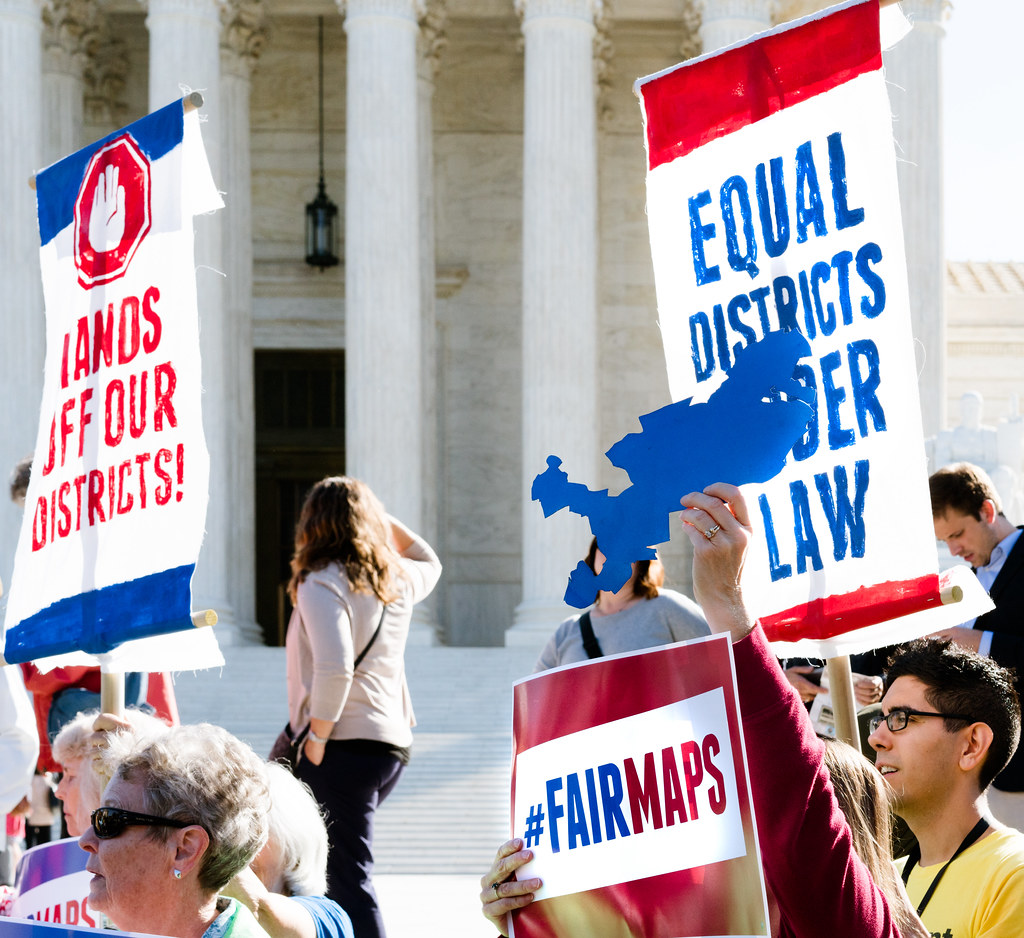

Key Takeaways:
- A state judge ruled Utah’s congressional map an illegal partisan gerrymander.
- Lawmakers plan to redraw a map that still avoids any Democratic districts.
- Voters approved fair map rules in 2018, but the legislature ignored them.
- Similar defiance happened in Alabama when courts ordered a new map.
- The debate centers on state power versus fair representation.
Is Utah Gerrymander Unfair to Voters?
A judge found Utah’s congressional map is an illegal partisan gerrymander. The ruling demands a redraw that likely adds a Democratic district in Salt Lake City. Yet, GOP leaders vow to craft another map with zero Democratic seats. They argue the court overstepped its authority and tied the legislature’s hands. Meanwhile, voters feel shut out after approving a fair map process in 2018.
Court Battle Over Utah Gerrymander
The judge gave lawmakers just 30 days to meet new map criteria. Those criteria include creating one district favoring Democrats. However, the legislature insists only its members can set redistricting rules. In a joint statement, the House Speaker and Senate President called the order “misguided.” They said the U.S. and Utah constitutions let elected officials draw maps. Yet the 2018 referendum clearly spelled out fair redistricting guidelines. Despite that law, lawmakers stuck with their own partisanship plan.
Legislators Defy Court and Voters
Despite the clear voter mandate, the Utah Legislature plans to ignore both the court and the referendum. They claim they aim to blend urban and rural voices in each district. Ironically, Utah is one of the least rural states, with 90 percent of residents in cities. In fact, most voters live in and around Salt Lake City. Still, the GOP insists on a “statewide perspective” model. They believe this approach gives every district a mix of city and country views. Critics say this excuse simply masks a desire to keep Democrats out of Congress.
Impact of Utah Gerrymander on Representation
The current plan locks in four safe Republican seats. As a result, Democratic voters end up with no real voice. Even though a large share of Utahns live in urban areas, they get no dedicated representation. This situation fuels frustration and doubt about the fairness of elections. Fair maps let communities choose leaders who reflect their views. Conversely, a Utah gerrymander silences large groups of voters. Over time, such moves can erode trust in the political system.
Historical Defiance in Other States
Utah’s lawmakers are not the first to defy court orders. Recently, Alabama faced a similar battle over racial fairness. A federal court said Alabama’s map violated the Voting Rights Act by leaving out a second majority-Black district. Instead of complying, lawmakers drew another map with the same flaws. Ultimately, the court appointed an outside expert to create a fair map. That decision cost Alabama’s GOP lawmakers control over the process. Utah’s leaders seem ready to take a similar risk.
Political Reaction and Next Steps
Former President Trump weighed in on the Utah case. He blasted the court on his social platform, calling the ruling “absolutely Unconstitutional.” He wondered why a deeply conservative state ended up with “so many Radical Left Judges.” His post urged Republican states to remove Democratic districts wherever possible. Meanwhile, legal experts say the Utah court’s decision stems from a fair law that voters passed in 2018. Now, civil rights groups prepare to challenge any map that keeps Democratic voters locked out. Ultimately, the Utah gerrymander fight may land before the U.S. Supreme Court.
What Comes Next for Utah Voters
Lawmakers must finish a new map within thirty days or face contempt charges. If they again avoid creating a Democratic district, groups will rush back to court. Judges could then appoint an independent map drawer, as happened in Alabama. Citizens can also push for another referendum or an initiative to enforce fair rules. For now, Utahns watch closely as their elected leaders battle judges over voting rights.
Conclusion
Utah’s redistricting fight highlights a deeper struggle over democracy and fairness. On one side stands a court enforcing voter-approved rules. On the other side stands a legislature claiming exclusive power to draw maps. Meanwhile, millions of Utahns wonder if their voices matter. The outcome in Utah could set a major precedent for other states. It shows how a state gerrymander can face both legal and political challenges. Ultimately, the question remains: will Utah honor the will of its voters or keep a partisan map in place?
Frequently Asked Questions
What is a gerrymander?
A gerrymander is a way to draw voting districts to help one party win more seats. It changes boundaries so certain voters count more than others.
Why did the judge rule Utah’s map illegal?
The judge found the map unfair because it packed all Democratic voters into one area. This broke the fair rules voters approved in 2018.
How could lawmakers redraw the map?
They must add a district where Democrats have a real chance to win. This means creating lines around Salt Lake City that reflect its voters.
What happens if legislators ignore the court again?
If they refuse, judges could appoint an independent expert to draw the map. That would remove control from Utah’s lawmakers.