

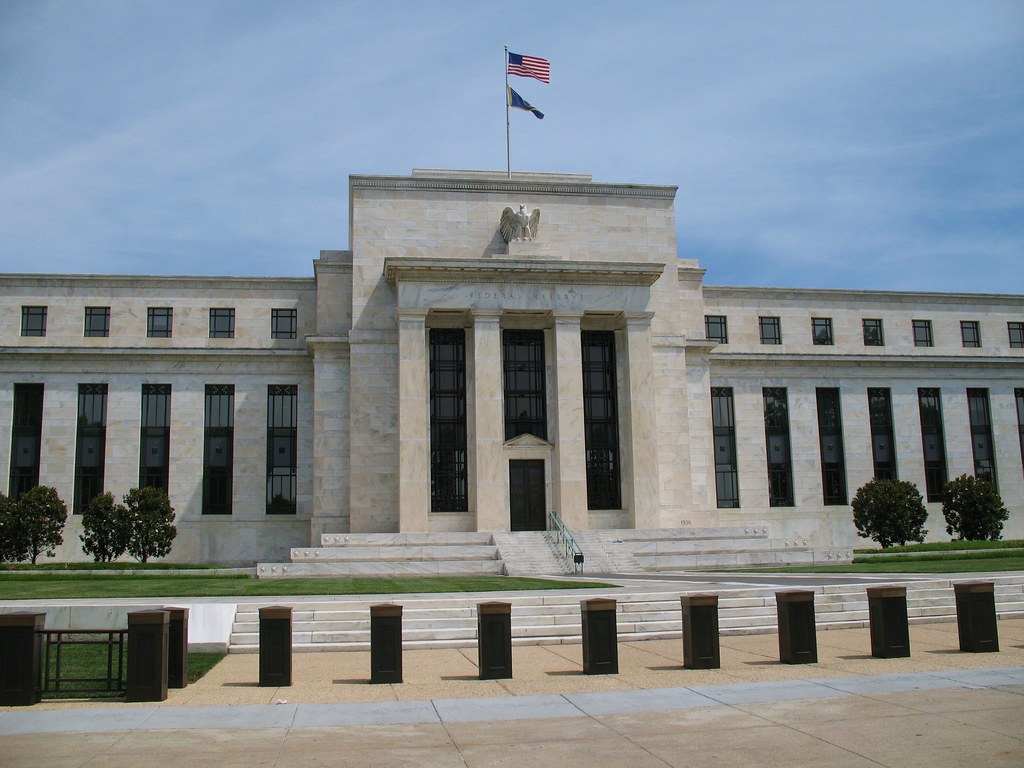

Key Takeaways:
• President Trump’s push to remove a Fed governor could backfire on families.
• Economists warn that meddling with Fed independence risks higher prices.
• If investors lose faith in Fed independence, U.S. borrowing costs will climb.
• Mortgages, auto loans, and credit cards may cost more for working people.
Fed independence under fire
President Trump announced plans to fire Federal Reserve Governor Lisa Cook. He aims to force the central bank to cut interest rates. However, top economists warn this political move will push prices up, not down. They say any attack on Fed independence may make borrowing and everyday bills more expensive.
First, what is Fed independence? It means that a team of experts sets interest rates based on data, not politics. This setup has helped keep U.S. inflation under control, at around 3 percent or less. In contrast, countries where leaders interfere heavily in their central banks often face runaway inflation. For example, Turkey’s inflation recently passed 33 percent after years of political meddling.
Economists speak out
Michael Madowitz of the Roosevelt Institute called the president’s plan “an authoritarian tactic.” He argued that politics in rate decisions will hurt American families by driving up costs. Meanwhile, Heidi Shierholz of the Economic Policy Institute said firing Cook “radically undermines” Trump’s own goal of lower rates and faster growth.
They explain that if decision-makers see the Fed as political, they will demand bigger rewards for the risks they take. Bond investors will ask for higher interest on U.S. debt when they believe the Fed’s decisions hinge on a president’s whims. In turn, this raises long-term borrowing rates for the government, businesses, and households.
Investors and families feel the pinch
Once long-term rates rise, they affect every corner of the economy. Mortgage rates climb, so first-time homebuyers pay more each month. Auto loans get pricier, making car ownership costlier. Credit card rates jump too, leaving families with higher debt payments. Ultimately, working people bear the brunt of higher costs.
In the hours after Trump’s announcement, markets reacted. Yields on U.S. Treasury bonds ticked upward. This shift suggests investors already worry that Fed independence is under threat. If rates must stay higher to keep inflation in check, that will slow growth instead of boosting it.
How Fed independence shields prices
Independent rate-setting gives people confidence. They trust that the Federal Reserve will fight inflation and support jobs when needed. This trust helps keep long-term rates low. As a result, families enjoy more affordable credit, and businesses can plan future investments with less risk.
However, if investors doubt the Fed’s objectivity, they demand higher premiums. Without Fed independence, people expect sudden rate swings tied to election cycles. They also fear that the Fed will tolerate higher inflation to please political leaders. Such fears increase the risk premium on U.S. bonds, driving up costs across the board.
Recent data heighten concerns. Core inflation hit 2.9 percent in August, the fastest pace since February. Producer prices, an early sign of consumer costs, rose 3.3 percent—above forecasts. These figures show that price pressures are real. If the Fed loses its shield of independence, fighting inflation will become costlier and slower.
Why Trump’s plan could backfire
Trump believes lower rates will spur growth before the election. Yet economists warn that forcing rate cuts under political pressure leads to long-term pain. Once markets lose confidence, rates may stay high for longer. Then families face steep costs, and the Fed may struggle to restore credibility.
Paul Krugman, Nobel-winning economist, called Trump’s actions “shocking and terrifying.” He argued that personal intimidation of Fed officials threatens the Fed’s role as a technocratic, data-driven body. Without this role, managing inflation and unemployment becomes a political game, not a careful balancing act.
In simple terms, if the Fed answers to the White House, it cannot act quickly to fight price spikes or job losses. Instead, rate decisions might align with political calendars, bringing boom-and-bust cycles. Meanwhile, everyday Americans saw in markets the first signs that their mortgage or car payment could rise.
What happens next
For now, the Fed is likely to resist political pressure. Its leaders have a strong history of defending independence. Yet Trump’s threat shows how fragile that independence can be. If U.S. elections bring more calls to politicize rate decisions, families could face higher bills and slower growth.
In the coming months, watch key inflation reports and bond yields. If core inflation stays above 2.9 percent and yields keep climbing, markets will signal deep concern. Policymakers will then face a tough choice: stand firm to protect Fed independence or cave to political pressure and risk higher costs.
Protecting Fed independence matters more than ever. In a healthy system, experts adjust rates based on unemployment, growth, and price data. This approach keeps inflation in check without tipping the economy into recession. Politicizing rate decisions unbalances that system and harms families.
Frequently Asked Questions
What does Fed independence mean?
It means a team of experts sets interest rates based on economic data, not political demands. This reduces uncertainty and keeps borrowing costs lower.
How does losing Fed independence raise inflation?
Investors demand higher returns on government bonds when they fear rates will serve politics, not data. Higher yields push up loans for homes, cars, and credit cards.
Why would Trump want to fire a Fed governor?
He hopes that removing a key official will force the central bank to cut rates sooner. He believes lower interest rates will boost growth before the next election.
Can the Fed protect its independence?
Yes. The Federal Reserve’s structure and long traditions support independent decision-making. Strong leadership and public trust also help defend its role against political interference.