


Key Takeaways:
- Former President Trump taunted Illinois’ governor, vowing troops to Chicago.
- Governor Pritzker refused help, pointing to improving crime rates.
- Trump boasted that D.C. became a “crime-free zone” in 14 days.
- The debate highlights tensions over federal power and local control.
Overview of Trump’s Plan for Troops to Chicago
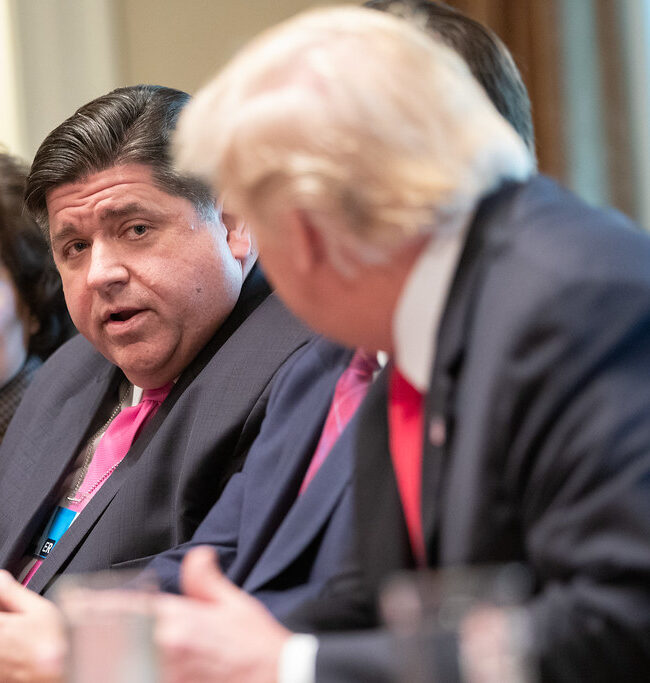
Former President Trump stirred headlines when he threatened troops to Chicago. He posted on his social platform that six people died and 24 were shot in Chicago last weekend. Then he wrote that Illinois’ governor, JB Pritzker, was “weak and pathetic” for rejecting help. Trump claimed he could storm Chicago’s streets and clean up crime fast. Moreover, he warned, “He better straighten it out, FAST, or we’re coming!”
Trump also crowed that Washington, D.C., became a “crime-free zone” in just 14 days under his watch. However, he offered no proof or official data. His dramatic promise of federal muscle raised eyebrows across the country. Many asked if the president really had the power to deploy troops to solve urban crime. At the same time, critics worried about sending troops to Chicago, fearing a repeat of past missteps.
Why Is Trump Pushing Troops to Chicago?
Trump’s push for troops to Chicago came as he eyes another run for the White House. By spotlighting violent cities, he aims to rally voters worried about safety. Moreover, he contrasts his tough approach with Pritzker’s refusal. In Trump’s view, tougher federal action equals results. Yet, opponents argue that soldiers on city streets can erode civil liberties.
First, the Constitution limits when the president can use the military at home. The Posse Comitatus Act generally bans the Army and Air Force from policing duties. Meanwhile, local law enforcement falls under state and city control. Thus, sending troops to Chicago would face legal hurdles. Trump did not explain how he would clear those hurdles.
Second, history shows mixed results when troops patrol American cities. In the 1960s, the National Guard moved into troubled neighborhoods after riots. While soldiers sometimes helped restore order, they also fueled tensions. Critics say a heavy military presence can scare residents and worsen community trust. Others believe that better police training and community programs work better.
Third, many fear misuse of power. Activists warn that troops to Chicago could target minority neighborhoods unfairly. They worry about racial profiling and overreach. On the other hand, some local business owners support strong federal aid to curb gangs. They argue that crime hits their shops and jobs hardest.
What Does Governor Pritzker Say?
Governor Pritzker has touted steady drops in some crime categories. He insists Illinois has received plenty of federal aid already. Moreover, Pritzker says local police and sheriff’s departments have clear plans. He believes more officers and community programs will work better than troops. Thus, when Trump offered help, Pritzker firmly said no.
Pritzker also pointed to data showing fewer shootings than last year. He stressed that crime prevention involves education and jobs. Furthermore, he argued that sending troops could distract from long-term solutions. In a statement, he thanked local law enforcement and community leaders. Then he called Trump’s threat a “political stunt.”
Could It Actually Happen?
Legally, sending troops to Chicago faces a maze of laws. The president must declare an emergency or request by the state governor. Since Pritzker refused, Trump would need other legal tools. Some experts say he could invoke a little-known Civil Disturbance Act. However, that act has rarely been used and sparks debate about its reach.
Moreover, courts could block any effort to sideline state leadership. Judges have ruled in the past that federal troops cannot take over local policing. Any fast deployment of soldiers would likely face lawsuits. Thus, experts doubt troops to Chicago would ever materialize.
What Would It Mean for Chicago?
If troops did arrive, they would work under strict orders. Typically, soldiers cannot make arrests or use force like the police. Instead, they can protect federal property and back up officers. Yet, their presence alone can shift how crime scenes unfold. In some cases, troops could help secure high-risk areas, freeing police for other tasks.
Still, local residents might feel uneasy seeing soldiers patrol familiar streets. Veterans and civil rights groups often oppose military role in domestic security. They argue it blurs lines between army work and community policing. Meanwhile, Chicago’s neighborhoods have varied needs. Some areas face gang violence, others struggle with property crime.
Could It Backfire Politically?
Trump’s promise of troops to Chicago might rally some voters. Supporters see it as a sign of strength. They believe only a tough stance can curb violence. However, others view it as an overreach. They worry it breaches American traditions of local rule.
Moreover, Democratic leaders nationwide denounced the idea. They say sending troops is a distraction from real solutions. Then again, Trump’s team claims he pulled off a crime drop in D.C. They insist it proves the approach works. Yet, skeptics note that city crime trends often rise and fall for many reasons.
What Happens Next?
For now, troops to Chicago remain a threat, not a plan. Trump’s post grabbed headlines and fueled debate. Meanwhile, Governor Pritzker says he will keep handling crime with local tools. City and state leaders continue to meet on police training and community programs. Ultimately, whether troops to Chicago ever appear depends on politics and law.
In the coming months, both sides will likely revisit the issue. Trump may use the threat to boost his election messaging. Pritzker will argue for local solutions and data-driven results. At the same time, Chicago families wait for safer streets. They hope for real action, not just promises or threats.
Frequently Asked Questions
How could the president send troops to Chicago without the governor’s approval?
The president would need a federal law, emergency powers, or a special act of Congress. Without the governor’s request, courts would likely block most orders.
What laws limit troops from policing U.S. cities?
The Posse Comitatus Act prevents the Army and Air Force from direct law enforcement. National Guard forces under state control can help, but federal troops face strict limits.
Have federal troops ever patrolled American cities before?
Yes. In the 1960s, the National Guard helped restore order after riots. However, the use of active-duty federal troops has been rare and controversial.
Could sending troops to Chicago actually reduce crime?
Experts disagree. Some say troops can secure high-risk spots and free police time. Others warn it can harm community trust and divert focus from long-term programs.