


Key Takeaways:
• Donald Trump wants to send homeless people to state mental institutions.
• He described women spitting at “good-looking” men and said men can hit back.
• He plans “crime-free zones” and government-run tent cities for the homeless.
• Experts warn forced confinement in mental institutions violates rights.
• Local leaders worry about civil liberties and protest federal intervention.
Trump and Mental Institutions Plan
Former President Donald Trump shared a detailed plan to put more homeless people into state mental institutions. He said this idea will reduce crime in big cities. In a recent interview, he used strong language to describe why he thinks this plan makes sense.
Why Mental Institutions Alarm Experts
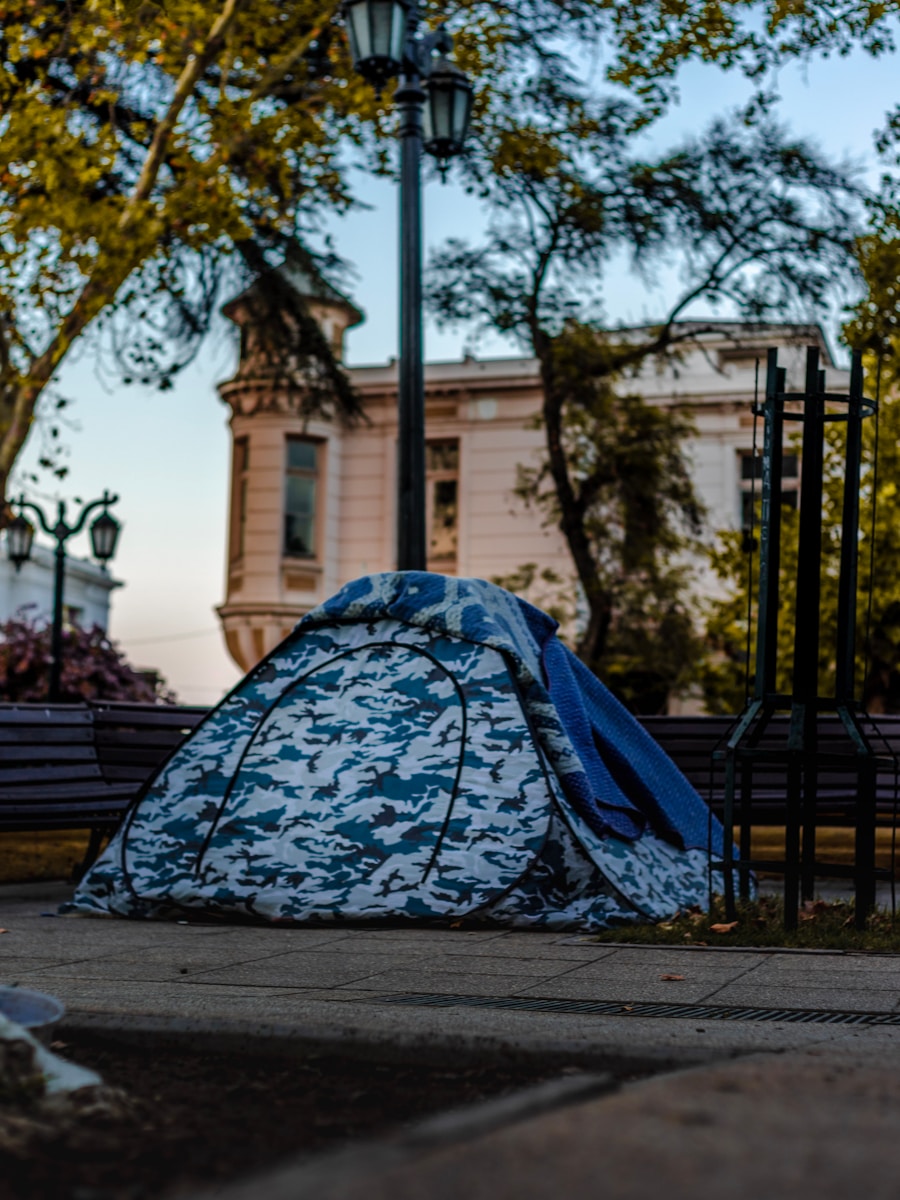
First, Trump said he wants to create “crime-free zones.” He explained that homeless people who break rules would go straight to mental institutions. He also wants to group unhoused people in government-run tent cities. He believes this will stop street disorder. However, many experts say forced confinement in mental institutions has legal limits and harms civil rights.
Trump’s Street Rant and “Crime-Free Zone” Idea
During the conversation, Trump described a scene where women spit at men. He called those women “crazy” and “wild.” He said, “They spit, we hit.” He blamed the justice system for protecting spitting protesters while punishing anyone who defends themselves. Then he argued that police must have a free hand to lock up the homeless in mental institutions.
He said men and soldiers would once face arrest for punching back. But in his vision, they would act freely. He claimed this would restore order. Next, he proposed making entire neighborhoods off-limits to protests or loitering. He called these areas “crime-free zones.” Anyone causing trouble would go to mental institutions or tent cities.
What Are Mental Institutions?
Mental institutions are state-run facilities for people with serious mental health issues. They offer therapy, medication, and supervision. In the past, these centers admitted people against their will. Courts then set strict rules to protect patients from abuse. Throughout the 1970s and 1980s, judges limited forced stays in mental institutions. Those decisions still guide today’s policies.
If Trump’s plan moves forward, it could clash with these court rulings. For example, judges now require a clear mental illness diagnosis before ordering confinement. They also demand frequent reviews to check if patients need to stay. Under existing laws, you can’t send someone to a mental institution simply for being homeless or poor.
Legal Limits and Human Rights Concerns
Experts warn that forcing people into mental institutions risks violating the Constitution. Civil rights groups say forced detainment must meet high legal standards. They argue that Trump’s plan would treat low-level offenses the same as serious threats. As a result, many innocent people could end up locked away.
Moreover, history shows that government-run tent cities often worsen problems. Critics note that tent cities can become unsanitary and unsafe. They can isolate homeless people instead of helping them. People in these camps may lack access to proper health care. They also face higher risks of violence.
Local Pushback and Protests
Meanwhile, Trump has moved federal law enforcement into Washington, D.C. He says he wants to stop violence during protests. However, many locals see this as a power grab. They worry city budgets will suffer and civil liberties will erode. In Chicago, officials have vowed to resist any federal troops on their streets. They fear similar plans could roll out nationwide.
In response, community groups have organized rallies. They demand humane solutions for the homeless. They stress mental health support and affordable housing. They say criminalization only pushes homeless people further from help. They also highlight successful programs that treat homelessness as a health issue, not a crime.
Potential Impact on Homeless People
If the president’s plan succeeds, homeless people could face two outcomes. First, they might be sent to mental institutions even without a mental illness. Second, they could be housed in large government-operated camps. In both cases, families and friends could lose contact with them. Also, studies show that forced moves rarely solve underlying problems.
Historically, stable housing programs have helped reduce homelessness. By contrast, punitive methods often backfire. When cities try aggressive sweeps, homeless people scatter. They lose access to services and fall into deeper crisis. Thus, experts urge investment in the following instead of forced detainment:
• Permanent supportive housing
• Mental health outreach teams
• Job training and placement services
What Happens Next?
For now, Trump’s plan remains an outline. He released it in parts through a right-wing media outlet. He may use it to rally his base before the next election. However, Congress and the courts hold key power. They can block funding for mental institutions or tent cities. They can also enforce civil rights laws.
Also, state governors have a say. They oversee state mental institutions. Many may refuse to take extra patients sent under Trump’s rules. Local judges could also deny forced commitments. Additionally, city councils might pass laws to protect homeless people from federal overreach.
Transitioning from Rhetoric to Reality
Even with strong words, turning speech into policy takes time. Leaders must draft bills, debate them, and secure votes. Opponents can challenge any new laws in court. They can argue that the plan violates due process. In turn, judges can issue injunctions to pause it.
Therefore, while the proposal makes headlines, it faces steep roadblocks. Experts say that legal precedents and public opinion will shape the outcome. If voters oppose forced institutionalization, politicians may back off. At the same time, homeless advocates will push for more compassionate, proven solutions.
Moving Forward with Compassion
In the end, many Americans want homelessness solved with care, not cages. They support mental health services and safe shelters. They believe people in crisis need support, not punishment. By focusing on healing and opportunity, communities can achieve lasting change. Critics warn that sending homeless people to mental institutions undermines that goal.
Above all, public debate will decide what comes next. Communities will weigh safety, rights, and compassion. They will ask tough questions about crime-free zones and mental institutions. As the conversation unfolds, people must stay informed and involved.
Frequently Asked Questions
How could forced stays in mental institutions affect civil rights?
Forced confinement in mental institutions must meet strict legal tests. Courts require proof of serious mental illness and danger. Otherwise, detainment could breach due process protections.
Can local leaders stop federal plans for tent cities?
Yes. State and city officials can refuse to cooperate or withhold land and resources. Courts may also block plans that conflict with local laws.
What alternative solutions help reduce homelessness?
Programs that combine affordable housing with health services show the best results. Job training, counseling, and rent subsidies also help people rebuild stable lives.
Why do experts warn against criminalizing homelessness?
When cities punish homelessness, people often lose access to services. They may avoid outreach teams. This approach can deepen personal crises and increase street disorder.