


Key Takeaways
- President Trump claims to put American workers first, yet he has cut back many protections.
- He halted a safety rule for coal miners and stripped federal workers of collective bargaining.
- He rolled back a minimum wage increase for federal contractors.
- Despite this, some staff at national parks voted to unionize.
- A court ruling threatens to weaken the board that enforces labor rights.
In his second term, President Trump often said he stood for working people. However, many of his orders cut pay or gave workers fewer protections. As a result, labor unions find themselves fighting to save hard-earned rights.
Major Moves Against labor unions
First, Trump halted a rule meant to shield coal miners from deadly lung disease. That rule would have forced mining companies to watch air levels more closely. Instead, miners now risk breathing more toxic dust at work.
Next, he stripped about a million federal workers of their collective bargaining rights. In March and August, he signed orders telling nine agencies to cancel union contracts. Those orders affected workplaces from the Environmental Protection Agency to the National Weather Service. As a result, many workers lost the power to negotiate pay, benefits, and safe conditions.
In addition, Trump reversed a wage boost for federal contractors that President Biden had set. This change cut the minimum wage back to a lower rate for hundreds of thousands of workers. The wage cut hit jobs like janitors, food service staff, and security guards who serve federal buildings.
Moreover, government agencies had to drop long-standing union pacts. Under the president’s broad view of a security law, he forced even non-security agencies to end collective bargaining. As a result, managers can now change work rules without union talks.
Workers Fight Back for labor unions
Despite these setbacks, many workers still see unions as their best shield. Earlier this year, cuts to the National Park Service led to layoffs and fewer staff. In turn, employees at Yosemite, Sequoia, and Kings Canyon parks decided to unionize.
Over 600 workers—including rangers, interpreters, biologists, and firefighters—voted on the change. More than 97 percent backed joining the union. This strong vote shows how anger over budget cuts can drive people toward collective action.
Thus, even under pressure, workers can build new unions. Their success offers hope to others who feel squeezed by policy changes. It proves that determination can overcome rules designed to block labor unions.
Legal Threats to labor unions
Meanwhile, labor unions face another crisis in the courts. A federal appeals court ruled that the board overseeing workplace rights has an illegal structure. The decision came from the Fifth Circuit, which covers Louisiana, Mississippi, and Texas.
This ruling means cases in those three states may stop moving forward. Employers could file there to stall or block union complaints. As a result, workers in those areas might lose access to justice if they face unfair treatment on the job.
The lawsuit behind this ruling was partly backed by a well-known tech boss. He argued that the board’s rules gave too much power to its judges. In practice, the Trump-appointed board did little to defend the judges when the case went to court.
Because of this, experts warn the board may lose more cases. If so, labor unions and their members may struggle to enforce contracts or protest unfair work rules. In short, the ruling could weaken the entire system that protects worker rights.
Why It Matters
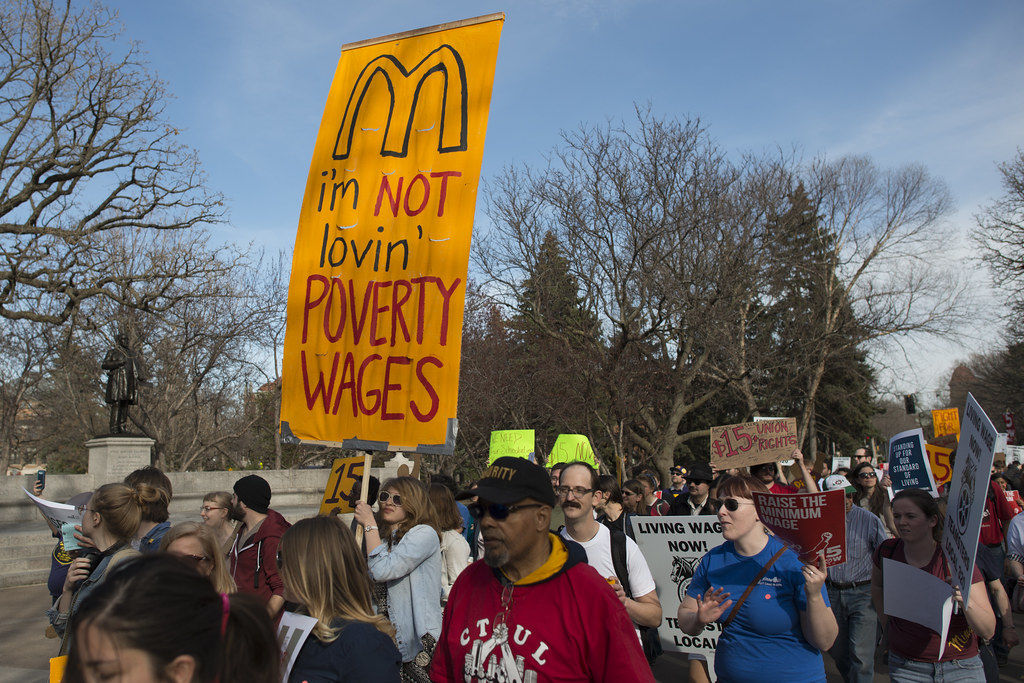
Today’s moves show a clear battle over worker power. On one side, the administration pushes to cut back pay raises, safety rules, and bargaining rights. On the other, workers and labor unions keep fighting for fair wages and safe jobs.
Moreover, the court fight over the board’s structure could reshape how workers fight back. If unions cannot bring grievances, employers may act without fear of challenge. That change could hurt job safety, pay equity, and workers’ overall well-being.
However, the success of park staff shows a different path. It proves that even under tough rules, workers can stand together. Their unity can force change and protect vital benefits.
Looking Ahead
As the debate continues, labor unions will play a key role. They will rally members, file legal challenges, and push for new rules. Meanwhile, workers will watch how courts, Congress, and the White House decide on their rights.
In the end, the fight over collective bargaining and workplace safety may shape the future for millions of Americans. That future will depend on whether labor unions can adapt, unite, and persuade others to back their cause.
Frequently Asked Questions
Why has the administration targeted labor unions?
The administration claims these changes improve efficiency and cut costs. In practice, the cuts reduce workers’ ability to negotiate pay, benefits, and safety rules.
How did park workers manage to unionize?
Budget cuts and layoffs spurred park workers to vote. With over 97 percent support, they formed a union to protect jobs and working conditions.
What does the court ruling mean for the board that enforces union rights?
A federal appeals court said the board’s judge-selection setup is unconstitutional. As a result, union complaints in three states may face delays or blocks.
Can workers still form unions under these changes?
Yes. Despite new hurdles, workers can still organize. Strong support and legal help can help overcome the extra obstacles.