


Key Takeaways:
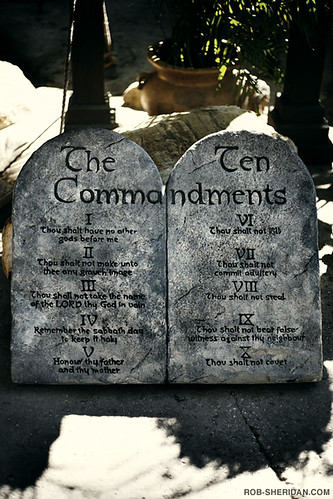
- Three states passed laws to post the Ten Commandments in public classrooms.
- Federal judges blocked these laws for likely violating the First Amendment.
- Supporters point to a new Supreme Court test based on history and tradition.
- The legal fight could change how religion fits in public schools.
Background on the Ten Commandments Cases
Litigation over the Ten Commandments in schools began long ago. Courts once allowed daily recitations of these biblical laws. However, the First Amendment was not applied to states until 1940. As a result, early displays escaped review. Later, the Supreme Court changed course.
In 1980, the Stone v. Graham decision struck down Kentucky’s rule to post the Ten Commandments. The court said the law lacked a clear secular purpose. It judged that the posters were “plainly religious in nature.” Thus, public schools could not compel students to view or study them as a required display.
New Laws in Three States
In 2024 and 2025, legislators in Louisiana, Arkansas and Texas passed similar rules. Each law forced schools to hang a poster or framed copy of the Ten Commandments. Supporters argued these displays teach history. They said the Commandments shaped Western law and the U.S. Constitution. Moreover, they claimed the posters do not force belief in any faith.
Arkansas moved first, approving its law in April 2025. Lawmakers called it a nod to national history and a way to honor founders’ values. Next, Texas passed nearly identical legislation in June 2025. A sponsor said obeying God’s law would make society better. Louisiana had approved a similar measure earlier but saw it blocked right away.
Court Challenges and Blocks
Federal courts quickly stepped in. In Louisiana, a judge halted the law in 2024. Then in August 2025, a federal judge in Arkansas did the same. The Arkansas block covered all state school districts. The judge said students might feel forced to venerate and obey the Ten Commandments.
Shortly after, a Texas judge paused that state’s law for some districts. The court reasoned that the displays likely breach the First Amendment’s ban on government-established religion. Thus, no classrooms currently show the Ten Commandments under these laws.
A New Supreme Court Test
Supporters of the laws rely on a recent shift by the Supreme Court. In 2022, the court ditched the old Lemon test. That test required laws to have a clear nonreligious purpose and avoid favoring religion. Instead, justices now look to history and tradition. They ask if a practice has deep roots in America’s past.
This history-and-tradition test came from Kennedy v. Bremerton School District. In that case, a coach prayed on the field after games. The court said he could continue, calling his own prayer a free exercise right. The justices hinted that long-held religious symbols might pass muster under the new test.
Why the Ten Commandments Matter Here
The Ten Commandments have appeared in many public displays. Some remain in courthouses and on statehouse grounds. In 2005, the Supreme Court upheld a Texas Capitol monument that included the Commandments. It was a long-standing, privately funded monument among many historical markers. The court said it looked more like history than an endorsement of religion.
However, classrooms are different. They host children every day. Judges worry that posting a text of sacred laws risks pushing a religious message. In addition, these displays may pressure nonreligious students or those of other faiths. Therefore, the new state laws face a higher hurdle than a passive monument on a statehouse lawn.
Impact on Education and Freedom
This fight raises big questions about religion in schools. On one hand, some want to keep faith traditions alive in public spaces. They say these values underlie American law and ethics. On the other hand, critics want true neutrality. They argue the government should not favor one religion over another. Nor should it promote religion in general.
Moreover, six families in Arkansas challenged the new law under both the establishment and free exercise clauses. They come from different faiths and no faith. Their suit shows that not all opponents want religion out of schools. They simply want fair treatment for all beliefs.
Finding Balance
So far, courts have blocked the laws. Yet, appeals are likely. If higher courts reach the Supreme Court, the history-and-tradition test may decide the outcome. A ruling for the states could overturn decades of precedent. That would permit more overt religious displays in classrooms.
Meanwhile, school leaders face uncertainty. They must wait on legal rulings before they can comply. At the same time, parents and communities debate the right path. Some call for posting secular documents about American history instead. Others propose comparative religion lessons to include many faiths.
What Comes Next
As the cases move through appeals, observers will watch closely. The Supreme Court’s current makeup favors broader religious expression. Therefore, the new test could allow displays once seen as off-limits. Still, courts will weigh whether a law forces students to engage with religious text.
Eventually, a final ruling will shape the future of faith in public education. It may clarify which religious symbols schools can display. Also, it could set limits on what lawmakers can require in classrooms. Either way, the debate over posting the Ten Commandments shows how hard it is to balance history, freedom and faith in schools.
Frequently Asked Questions
Why did courts block the new laws?
Judges found that forcing classrooms to display the Ten Commandments likely violates the First Amendment’s ban on government endorsement of religion. They said students might feel required to honor or follow these sacred laws.
What is the history-and-tradition test?
This test asks if a religious practice has deep roots in U.S. history and culture. It replaced the older Lemon test. Courts use it to decide if government actions involving religion are allowed.
Could other religious texts be posted?
Supporters of neutrality argue that posting other faith texts might balance displays. However, courts must ensure that no single religion dominates public schools.
How will this affect public schools long term?
A Supreme Court decision could change what religious symbols and texts schools may show. It may also define how states craft future laws about religion in education.