


Key Takeaways:
• A tragic shooting in Utah left leaders and residents shaken.
• Governor Spencer Cox led a tense 34-hour manhunt update.
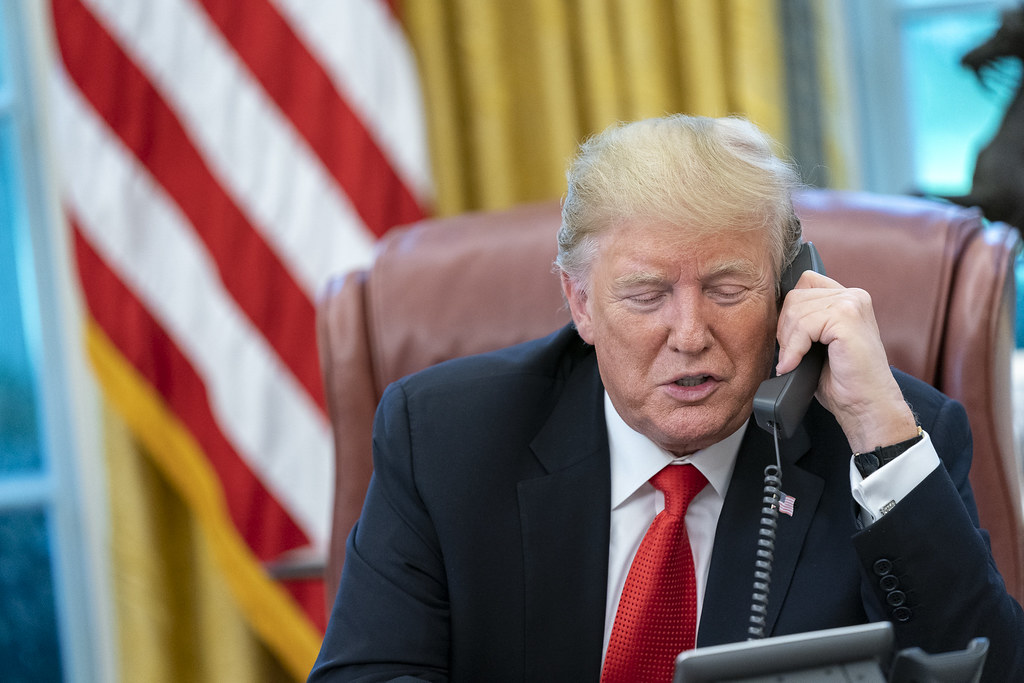
• Soon after, former President Trump placed an unexpected call.
• The Trump warning Spencer Cox received stressed rising danger.
• The exchange underscores growing fears of political violence.
Introduction
A deadly attack on Charlie Kirk stunned Utah. Governor Spencer Cox spoke to the public after a long manhunt. He asked for calm and unity. Then, out of the blue, his phone rang. On the other end was former President Donald Trump. The Trump warning Spencer Cox received in that call offers a chilling look at threats facing American leaders.
Trump warning Spencer Cox: What Happened?
First, Governor Cox stood at a podium in Orem, Utah. He had just announced the end of a 34-hour manhunt for Kirk’s suspected killer. In simple words, Cox begged for peace. He said grief must not breed more violence. Next, the governor’s phone lit up. On the screen: “Donald Trump.” Cox answered. Trump spoke calmly but with urgency. He told Cox that the kind of person who killed Charlie Kirk would not stop there. “They would love to do it to us,” Trump warned. He backed his point with grim statistics. Fifteen percent of past presidents have faced gunfire. Eight percent died as a result. These numbers, Trump said, make the presidency one of the most dangerous jobs in the world.
Why the Trump warning Spencer Cox Carried Weight
Moreover, Governor Cox did not dismiss the concern. After all, Trump had narrowly escaped an assassination attempt just a year earlier. So, Cox listened closely. He knew political violence in the U.S. was on the rise. This reality had left many in Washington scared and on edge. A lawmaker told reporters that fear now grips members of Congress. Still, Cox remained more focused on his state than on his own safety. He felt a duty to Utahans first and foremost. Yet he understood why Trump felt compelled to call.
How Governor Cox Is Moving Forward
In the days since the shooting, Cox has worked to unite his state. He has met with victims’ families. He has honored Charlie Kirk at memorial events. At the same time, Cox has pushed for better safety measures at public gatherings. He has asked local police to review security plans. He has also urged Utahns to seek help if they feel threatened. Through it all, Cox has shown calm resolve. He has not let fear dictate his every move. Instead, he presses for healing through community and conversation.
Rising Political Violence and Public Safety
First, Americans have witnessed growing threats against public figures. Whether at peaceful protests or quiet town halls, fear seems to lurk. Next, lawmakers debate stronger security for officials. Some support new laws against threats. Others worry such rules might curb free speech. Meanwhile, citizens express mixed feelings. Many fear for their leaders’ lives. Yet they balance this worry against a desire to hold officials accountable. Therefore, public safety remains a key challenge for every state. Utah is no exception.
Why the Trump warning Spencer Cox Resonates
The Trump warning Spencer Cox received highlights a broader crisis. It shows that violence can put anyone at risk, even in safe states. It also reveals how leaders rely on each other for support. Former presidents, governors, and lawmakers know that danger can strike suddenly. A simple phone call can carry both caution and solidarity. In this case, Trump’s words reminded Cox that threats can extend beyond state lines. They can follow politicians home, no matter where they serve.
Building a Culture of Peace
However, fear alone cannot guide action. Governor Cox has appealed for compassion. He has called on Utahns to listen and to understand different views. He has urged everyone to reject violence as a solution. Through town hall meetings and memorial events, Cox has shared stories of kindness in dark times. He has highlighted volunteers who helped search for Kirk’s killer. He has praised neighbors who comforted families in need. These small acts, he believes, can help curb the “dangerous spiral” of hate.
Looking Ahead in Utah
Finally, Utah faces difficult questions. How can the state balance open dialogue with security? What role should local and national leaders play in warning one another? Can a community heal after such a horror? Governor Cox seems set on finding answers with clear communication. He has invited law enforcement, mental health experts, and community leaders to plan safer events. He has also committed to checking in regularly with local families. Even as he heeds the Trump warning Spencer Cox received, Cox keeps his eyes on Utah’s future. He wants a community where families feel safe, leaders feel supported, and peace holds sway.
Conclusion
The shooting of Charlie Kirk tested Utah’s strength. Governor Cox rose to lead a tense manhunt update and peace appeal. Then came the late-day call from former President Trump. The Trump warning Spencer Cox received was a stark reminder of growing political violence. Yet, amid this fear, Cox chooses unity over panic. He seeks to turn a chilling warning into action that strengthens his state. As Utah moves forward, its leaders and citizens will need courage, compassion, and clear planning to keep their communities safe.
Frequently Asked Questions
What prompted former President Trump to call Governor Cox?
Trump reached out after a deadly shooting rocked Utah. He wanted to warn Cox about rising threats to public figures.
How did Governor Spencer Cox react to the warning?
Cox understood the concern but remained focused on healing his state. He emphasized community support over personal fear.
Is this type of warning common among political leaders?
Leaders sometimes share security concerns, but direct calls about assassinations are rare. Rising violence makes such warnings more urgent.
What steps is Governor Cox taking to improve safety?
He has asked law enforcement to review security plans, held public meetings, and urged citizens to reject violence.