


Key Takeaways:
- Trump’s lawyers told the Supreme Court the president could send active duty troops to enforce immigration laws.
- They argued active duty military officers could handle violent resistance better than the National Guard.
- Critics say using the regular military for domestic law enforcement could break the Constitution.
- Tens of thousands of migrants were detained so far under the Trump administration’s raids.
- Legal experts and courts are weighing whether such military deployment is lawful.
Understanding Military Deployment Under Trump
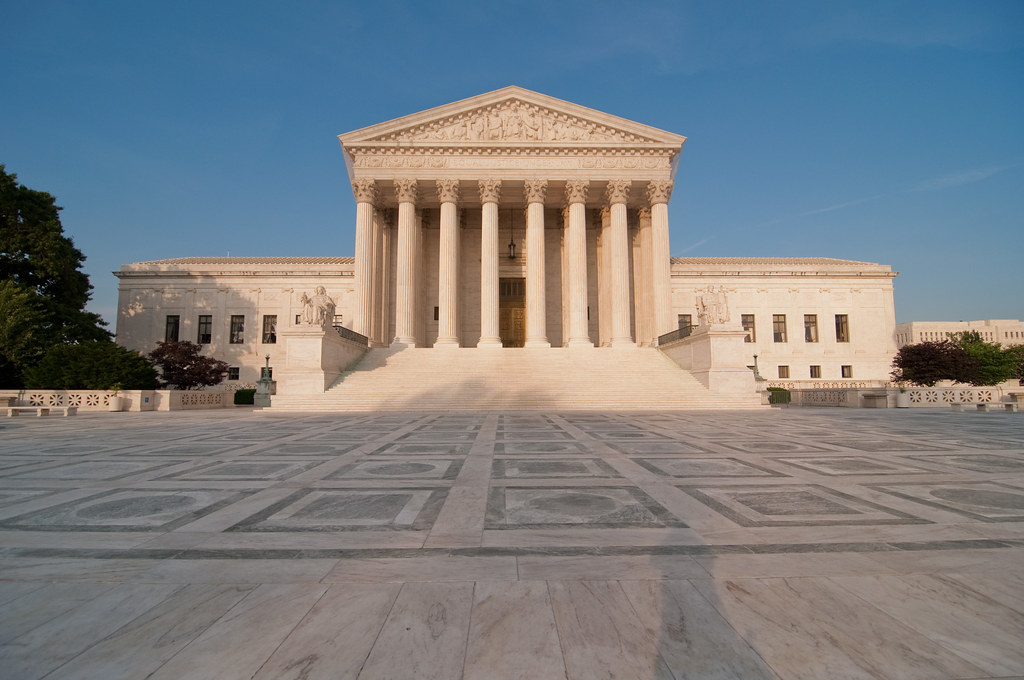
President Trump and his team are in a heated debate over whether active duty troops can enforce immigration laws on U.S. soil. In recent Supreme Court arguments, Solicitor General D. John Sauer said that “the standing military was undoubtedly an available option.” He meant that instead of calling the National Guard, the president could have sent the regular military. This idea of using military deployment inside cities has sparked major concern and legal battles.
First, it is important to know what military deployment means. In this context, military deployment refers to sending U.S. soldiers into American cities to carry out law enforcement actions. Usually, the National Guard handles hometown emergencies and civil disturbances. But the Trump team argued that active duty forces could also step in during an “insurrection” or to enforce federal immigration laws.
Why the Trump Team Suggested Active Duty Troops
The administration faced growing challenges with violent resistance during immigration raids. Tens of thousands of migrants were detained across many states. Some local protests and clashes with immigration officers made the situation more tense. In court, lawyers said regular soldiers could have quelled violent resistance more effectively than Guard units. They stated that military deployment could have prevented property damage and kept officers safer.
Moreover, President Trump has repeatedly claimed that he has unlimited authority to deploy the military for domestic law enforcement. He argued this power stems from his role as commander in chief. However, legal experts point out that the Constitution and federal law set strict limits on this authority.
Legal Battles over Military Deployment
Currently, courts are deciding if the immigration raids themselves are lawful. Meanwhile, Trump’s lawyers face the even bigger issue of justifying a domestic military deployment. Federal law allows a president to use active duty troops during genuine insurrections or when the country faces a serious threat. Yet, the administration has struggled to prove that the raids meet those conditions.
In the Supreme Court, Solicitor General Sauer told justices that active duty troops were a “viable option” to support federal immigration officers. He argued there is historical precedent for sending the regular military to quell large-scale disturbances. Furthermore, he claimed that choosing the National Guard over active duty soldiers was simply a policy decision, not a legal requirement.
However, opponents argue that using the military for routine law enforcement violates the Posse Comitatus Act. This law bans the use of federal troops to enforce domestic policies, unless Congress approves. They also warn that deploying troops in cities could scare immigrants and raise fears of a military state.
What the Constitution Says
The U.S. Constitution gives the president power to call forth the militia and the military in certain cases. Article I, Section 8, and the Insurrection Act allow a president to respond to domestic unrest. But those powers are narrow. The Insurrection Act requires either a call from a state governor or a declaration that federal law is obstructed.
As Sauer acknowledged, there is “a strong tradition in this country of favoring the use of the militia rather than the standing military to quell domestic disturbances.” In other words, the National Guard should usually handle homefront emergencies. Only in rare, grave situations should the active duty military step in. Even then, most experts say the president must meet high legal standards.
Moreover, several Supreme Court decisions have underscored the importance of civilian control and checks and balances. They warn against unchecked presidential power. If courts allow broad military deployment for everyday law enforcement, they risk eroding civil liberties.
Possible Impact on Cities and Communities
If the Supreme Court sides with Trump’s argument, cities might see active duty soldiers patrolling streets alongside Border Patrol agents. That could change how communities feel about federal enforcement. Immigrants and many U.S. citizens might feel intimidated by armed troops in city centers.
Furthermore, local police departments often work with the National Guard during major events or disasters. They receive specialized training to blend in with civilian law enforcement. Active duty soldiers, on the other hand, train for combat, not crowd control or community policing. This mismatch could lead to wrongful arrests, use of excessive force, and heightened tensions.
On the other hand, supporters of military deployment say active duty troops bring advanced training and resources. They believe soldiers could process detainees faster, secure perimeters better, and provide medical aid when needed. In their view, this approach could make operations safer and more efficient.
However, many experts caution that the potential gains do not outweigh the risks to constitutional order and public trust. They fear citizens will view the government as overly militarized. As a result, people might resist cooperation with law enforcement, creating a cycle of mistrust.
Transitioning from National Guard to active duty military officers also raises logistical issues. Troops need housing, equipment, and clear rules of engagement. Command structures differ between the Guard and the regular military. Without careful planning, these differences could hamper operations and put both soldiers and civilians at risk.
In Addition, the political fallout could be severe. Elected officials in states like Illinois and California have openly condemned the idea. They say they will challenge any attempt to bypass their governors. Legal fights could drag on for months or years, leaving communities in limbo.
Conclusion
The debate over military deployment in American cities centers on big questions: How far can a president go to enforce federal laws? What balance should exist between national security and individual rights? As the Supreme Court hears arguments, millions are watching to see if active duty troops will ever march on U.S. streets. The decision will shape the future of domestic law enforcement, presidential power, and community trust.
FAQs
What is military deployment in this context?
Military deployment refers to sending active duty soldiers into U.S. cities to assist or carry out law enforcement tasks. It differs from using the National Guard, which usually handles domestic emergencies.
Can the president legally deploy troops on American soil?
The president can deploy troops under the Insurrection Act if a state’s government requests help or if there is an obstruction of federal laws. But broad use for ordinary law enforcement is restricted by the Posse Comitatus Act.
Why did Trump’s lawyers mention active duty military?
They argued that regular soldiers could control violent resistance during immigration raids more effectively than the National Guard. They claimed this was a lawful option approved by history.
How could military deployment affect communities?
Active duty soldiers are trained for combat, not community policing. Their presence might intimidate residents, increase tension, and raise concerns about civil rights.