

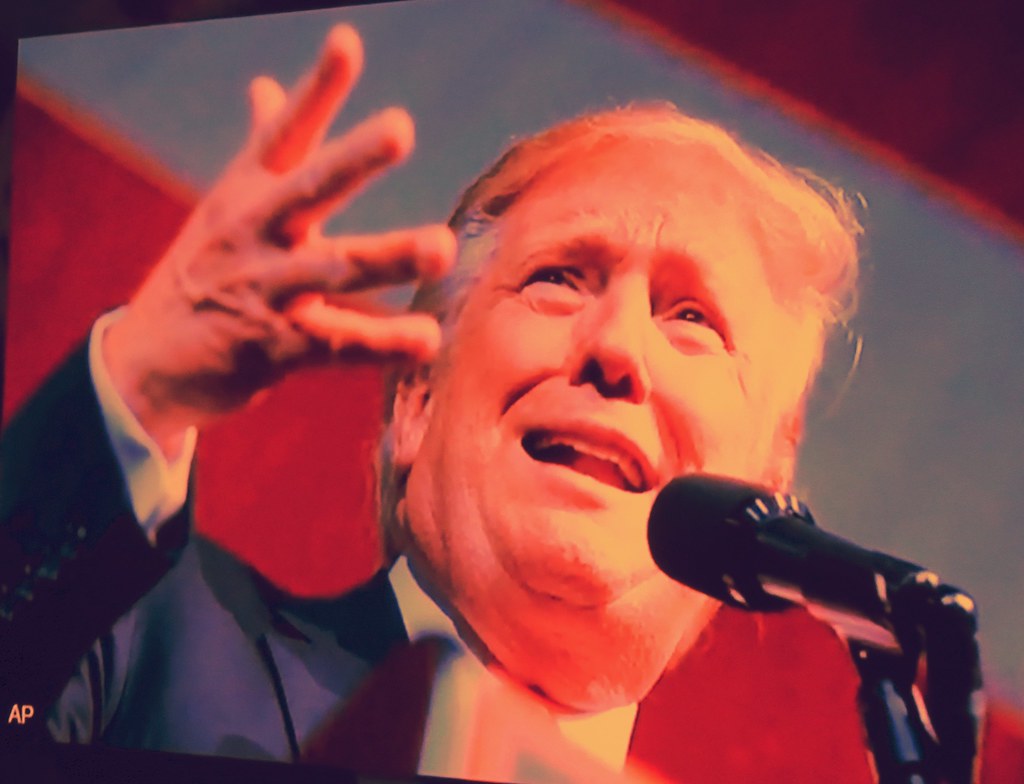

Key Takeaways
- Major news outlets rarely discuss Trump mental decline, even as his odd behavior grows.
- Four core reasons explain the silence: it seems familiar, lacks hard proof, sparks legal fears, and isn’t a top priority.
- Ignoring this issue may affect public trust in media and democracy.
- Understanding these reasons can help readers demand better coverage.
Over the last month, many odd moments have raised alarms about Trump mental decline. For example, he shared a fake satirical claim about Obama collecting Obamacare royalties. He called “affordability” a new word, then labeled it a “con job.” He bragged endlessly about lavish remodels of the White House and Kennedy Center. He mixed up IQ tests with dementia screens, and confused Iran with India. Despite these bizarre acts, the big news channels stay quiet. Why do they ignore Trump mental decline?
Main Reasons the Media Ignores Trump Mental Decline
They Say There’s No Change in His Behavior
Many reporters say Trump mental decline isn’t new. They argue he’s always been wild and unpredictable. Indeed, his tweets have long jumped off facts and spun strange stories. To these journalists, his recent slips look as familiar as ever. If there’s no clear shift, they claim there’s nothing fresh to report. Thus, they stick to covering policy fights, court cases, and rallies.
They Can’t Prove a Decline with Hard Evidence
A second reason is proof. While anecdotes of odd moments pile up, few medical experts will diagnose someone without an in-person evaluation. Media outlets fear defamation lawsuits if they publish unverified claims. They believe they need a smoking-gun moment or a leaked memo from a White House doctor. Until then, they see talk of Trump mental decline as ungrounded rumor.
Media Owners Fear Legal and Political Backlash
Third, bosses at major media companies worry about Trump’s legal muscle. He has sued news outlets for defamation and settled on harsh terms. He also wields power through regulators like the Federal Communications Commission and the Federal Trade Commission. Owners fear fines, license threats, or aggressive investigations. For them, avoiding stories about Trump mental decline is a safer route.
Journalists Have Other Priorities
Finally, reporters face deadlines and a flood of news. They cover wars, elections, Supreme Court decisions, and economic shifts. They may see Trump mental decline as a side issue, or too risky to tackle. Some worry readers will think they are biased or sensationalist. As a result, they focus on topics that draw clicks and fit editorial plans.
Past Behavior Hides His Newest Slips
Because Trump mental decline resembles his usual style, it slips under the radar. Media veterans have seen his off-script moments for years. When he learns new bizarre details about imaginary wars or calls advisers “very nice gentlemen” without naming them, they may shrug. They assume that odd tangents are part of his normal routine. Rather than treat each slip as fresh evidence, they treat it as routine theater.
The Elusive Standard of Proof
News outlets demand evidence. They look for medical records, expert testimony, or a public meltdown. Without those, they shy away from serious coverage. Medical experts follow ethical rules: diagnosing dementia without a full exam is taboo. Journalists, in turn, fear lawsuits. If they report “Trump mental decline” without rock-solid proof, they face retraction risks and legal battles. This high bar stops many from writing about it.
Legal Fears at the Top
Major networks rely on parent companies with billions on the line. Trump can attack them for unfair coverage or bias. Even if these threats lack merit, executives want to avoid costly legal fees and bad headlines. They also worry about regulatory pressure. A hostile administration can slow mergers, block licensing deals, or open new probes. So they steer clear of stories on Trump mental decline, even if journalists want to cover it.
Journalists’ Reluctance to Rock the Boat
Even on the newsroom floor, reporters self-censor. They know bosses would rather run stories on policy or campaign strategies. They fear ostracism for pushing “too much Trump bashing.” Plus, some editors believe audiences are tired of Trump. They think new angles must be both fresh and concrete. Reports on Trump mental decline feel speculative and risky. Therefore, they drop the topic.
Why Covering Mental Health Matters
Ignoring clear mental health questions in a president or ex-president risks democracy. Voters deserve honest reports on a candidate’s fitness for office. If media hide serious concerns, the public cannot make informed choices. Moreover, sidestepping this story undermines trust in journalism. Audiences sense when big issues are glazed over. Covering Trump mental decline could strengthen media credibility by showing they tackle hard topics.
What Needs to Change
To break this silence, media must adjust standards. They could cite expert opinions on known behavior patterns and memory tests. They might report on public records from White House doctors or highlight credible whistle-blower accounts. They can also run feature pieces exploring how odd comments reflect deeper issues. By framing the topic as public interest, not opinion, they can cover Trump mental decline responsibly.
How Readers Can Push for Better Coverage
Readers have power. They can write to editors and demand articles on this issue. They can share op-eds that explore Trump mental decline with solid evidence. Social media campaigns can pressure news outlets to cover mental health topics in politics. Sustained reader interest may shift editorial priorities and break the wall of silence.
Conclusion
Trump’s strange claims and confused stories have piled up. Yet the media mostly look the other way. They argue that his odd behavior is nothing new, that proof is missing, that legal risks loom, and that other news takes priority. But the public deserves clear reporting on any serious mental issues in political leaders. It is time for media outlets to face the challenge and shed light on Trump mental decline.
Frequently Asked Questions
Why do media outlets demand proof before reporting mental decline?
They want to avoid defamation claims and need credible evidence. Reports on mental health can be risky without medical evaluations or expert testimony.
Could covering Trump’s behavior harm journalistic credibility?
If done without solid facts, yes. But responsible reporting—citing experts and clear examples—can strengthen trust by showing willingness to tackle tough topics.
Is fear of lawsuits really a big factor?
Yes. Trump has a history of suing media organizations. Even baseless threats can cost millions in legal fees and damage reputations.
How can readers influence news coverage on this issue?
By writing letters, sharing credible analyses, and engaging editors on social media, readers can push outlets to take the topic seriously.