


Key Takeaways
- A bipartisan shutdown deal reopened the government but left out a hard promise on ACA subsidies.
- Rep. Ro Khanna called it a “terrible capitulation” and urged Sen. Schumer to step down.
- Other Democrats rallied behind Schumer, blaming Republicans for the stalemate.
- The Affordable Care Act subsidy vote is set for next month, keeping the fight alive.
- Mixed reactions highlight growing tensions within the Democratic Party.
What the Shutdown Deal Includes
Congress struck a shutdown deal after weeks of gridlock. It extended food assistance benefits for almost a year. It also rehired federal workers who lost pay during the closure. Yet, the deal stopped short of guaranteeing continued health care subsidies under the Affordable Care Act. Instead, it secured only a promise of a Senate vote on the issue next month.
Why Some Lawmakers Are Upset
Many progressives see the shutdown deal as a missed chance. They wanted a clear extension of health care help for millions of Americans. Instead, they got just a vote promise.
Ro Khanna Unleashes Frustration
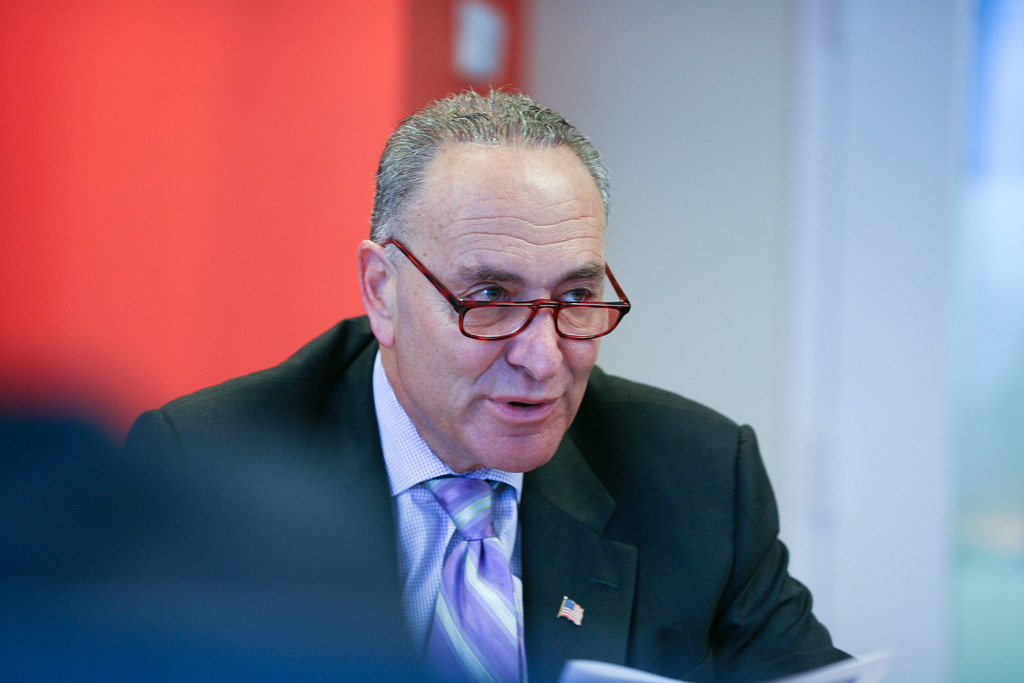
Representative Ro Khanna from California called the deal “a terrible capitulation.” He argued that Democrats gave up too much without getting enough in return. He said moderate senators wrote the deal on their own terms. Khanna warned this approach hurt regular people who need affordable health care now. He also publicly urged Senate Minority Leader Chuck Schumer to resign.
Progressives Voice Disappointment
Representative Ayanna Pressley called the moment “unprecedented.” She did not directly name Schumer but made clear her frustration. Representative Adriano Espaillat said, “He’s our leader until ’28.” Yet he added, “We’ll have to fight another day” over ACA subsidies.
Supporters Stand by Schumer
Other House Democrats came to Schumer’s defense. They say the shutdown deal was the best outcome given fierce Republican opposition.
Gregory Meeks Blames Republicans
Representative Gregory Meeks pointed his finger at Republicans. He said they shut down the government and refused to back health care tax credits. Meeks noted recent Democratic wins in state races. He argued these victories show that voters support Democrats’ overall agenda.
Don Beyer Praises Schumer’s Leadership
Representative Don Beyer explained that Schumer held his caucus together for seven tense weeks. He said it was not Schumer’s fault that negotiations took time. Instead, he praised senators like Tim Kaine and Angus King for addressing SNAP benefits and federal pay.
The Ongoing ACA Subsidy Fight
Although the shutdown deal lacks a firm ACA subsidy extension, the fight is far from over. Senate Democrats have promised a vote on those tax credits next month. If passed, this step would protect millions from rising health care costs in the new year.
What Happens Next
First, Senate leaders must schedule the promised ACA vote. Then, they need 60 votes to pass it. That means some Republicans might have to cross the aisle. Second, Democrats in the House and Senate will likely pressure GOP members through public campaigns. Finally, if the vote fails, Democrats could face heavy criticism from their own flank.
Rising Intra-Party Tensions
The shutdown deal has exposed a rift between moderates and progressives. Progressives want bold action now. Moderates prefer smaller steps and bipartisanship. As the 2024 election cycle heats up, this divide could shape which issues take center stage.
Schumer’s Role Under Scrutiny
Critics claim Schumer helped moderate senators clinch the shutdown deal too quickly. However, some reports say he resisted them at first, delaying any agreement. This dispute over the timeline fuels the broader debate over his leadership.
Why the Shutdown Deal Matters
The shutdown deal affects everyday Americans. Nearly eight million federal workers missed paychecks. Over 40 million people risked losing food aid. Millions more faced higher health care costs without ACA subsidies. By ending the shutdown, the deal offered immediate relief to many families. Yet the absence of a firm health care subsidy extension keeps anxiety high.
Key Takeaways for Voters
• The shutdown deal shows how hard bipartisan action can be.
• It leaves open the bigger fight over health care costs.
• Voters can hold senators accountable in the upcoming ACA vote.
• Intra-party debates may influence future Democratic strategies.
Looking Ahead
Democrats plan to use the promise of an ACA vote to push for real change next month. Progressive groups will likely rally supporters. Moderate senators may seek to soften demands. Meanwhile, Republicans will decide whether to back the subsidy extension or block it again.
Ultimately, the Democratic Party must balance internal differences. They need unity to pass key measures and prep for the next big election. As they sort out leadership questions, millions still need affordable health care and stable aid.
Frequently Asked Questions
What happens if the ACA subsidy vote fails?
If the vote fails, millions could see their health care costs rise in early next year. Democrats might try alternate strategies or link the subsidies to future spending bills.
Why did Republicans oppose the shutdown deal?
Many Republicans refused to support an ACA subsidy extension. They also objected to additional spending on food aid and federal salaries. This stance forced Democrats to negotiate a minimal compromise.
Could Chuck Schumer resign over this?
Some progressives have called for his resignation. Yet several Democrats strongly support his leadership. A resignation seems unlikely unless more lawmakers join the push.
How can voters influence the ACA subsidy fight?
Voters can contact their senators to express support for extending ACA subsidies. Public pressure and media attention may sway moderates or create leverage for Democrats.