

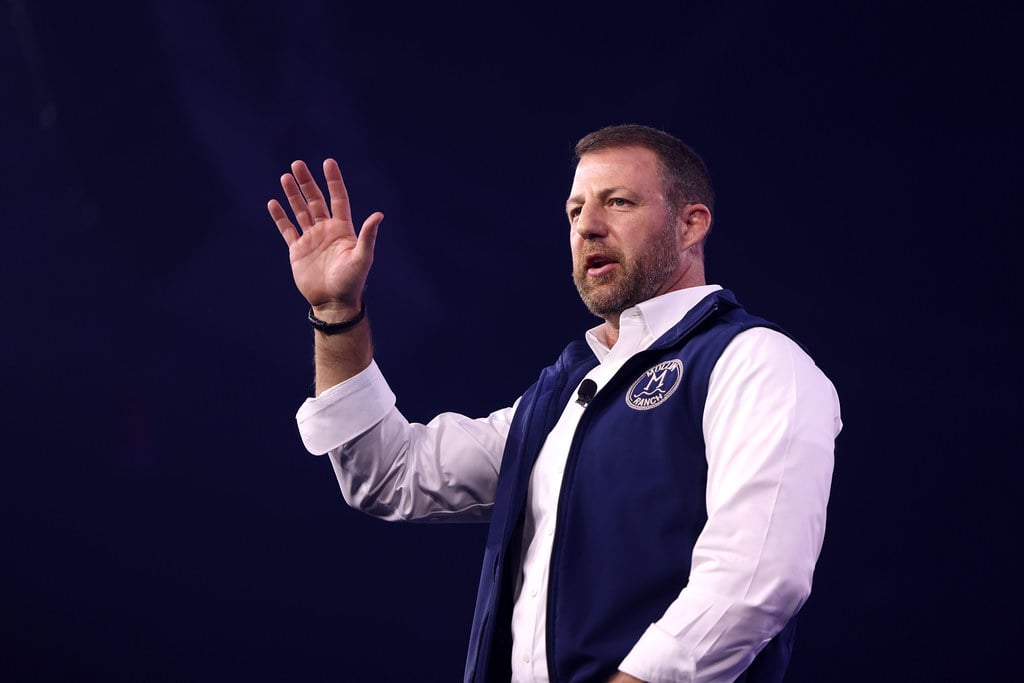

Key Takeaways:
- Senator Markwayne Mullin argues President Trump cannot be racist because of their friendship and Mullin’s Cherokee heritage.
- Mullin made these remarks on CNN in response to Senator Mark Kelly’s accusation that Trump dislikes “brown people.”
- Mullin is an enrolled member of the Cherokee Nation, the largest federally recognized Cherokee tribe.
- He also criticized Kelly for urging service members to question orders from superior officers.
- The exchange highlights ongoing debate over Trump, race, and military obedience.
Mullin Insists Trump Isn’t Racist
Senator Markwayne Mullin strongly denied claims that President Donald Trump holds racist views. He spoke on CNN with host Dana Bash. Mullin said his own friendship and his status as a Cherokee citizen prove Trump cannot be racist. He called rival Senator Mark Kelly’s accusation “ridiculous.”
Cherokee Senator Challenges Racist Claims
Mullin pointed out that he is a registered member of the Cherokee Nation. This tribe has over 300,000 members. It is the largest of the three federally recognized Cherokee tribes. Members must show direct lineal descent from a Cherokee ancestor. Mullin’s heritage, he said, contradicts Kelly’s charge that Trump dislikes “brown people.”
Background of the Debate
This debate began when Senator Mark Kelly said Trump does not want “brown people coming” into the country. Kelly is a Democrat from Arizona. He accused Trump of using racist rhetoric at campaign rallies. Then Mullin, who represents Oklahoma, fired back.
Mullin’s CNN Appearance
On Sunday, Bash asked Mullin about Kelly’s remarks. Mullin responded by highlighting his own Cherokee identity. He said, “Mark Kelly just got done saying that the president was racist because he doesn’t like brown people, yet I sit in front of you as a Cherokee Indian and I’m very close friends with the president.” He called Kelly’s statement “losing credibility every single day.”
Why Mullin Believes Trump Isn’t Racist
Mullin argues that personal friendship matters more than public words. He views his close relationship with Trump as proof. Moreover, he feels that shared trust and respect show the president is not prejudiced. In his eyes, Trump’s actions speak louder than critics’ claims.
Understanding the Cherokee Nation’s Enrollment
The Cherokee Nation does not set a strict blood quantum. Instead, it requires proof of direct descent from a tribal ancestor. Mullin meets this requirement. His enrollment gives him a voice in tribal matters and a seat at the Senate. He is the first tribal citizen to serve in the Senate in nearly twenty years.
Impact of Heritage on the Debate
Supporters of Mullin say his heritage makes the racist claim implausible. They argue that a president who befriended a Cherokee senator cannot be biased. However, opponents note that friendship does not erase harmful policies or rhetoric. They say one friendship does not prove freedom from prejudice.
Kelly’s Response and the Broader Conversation
Kelly has not publicly withdrawn his accusation. Instead, he continues to focus on policy. He points to Trump’s immigration measures and border wall as evidence of bias. He believes these actions disproportionately affect people of color. This fuels the larger debate over whether the president’s policies are racist.
Military Orders Controversy
Mullin also attacked Kelly’s call for service members to defy illegal orders. Kelly urged troops to refuse orders that break the law. Mullin called this idea “ridiculous.” He warned it could undermine military discipline. In his view, soldiers must obey lawful commands and work through proper channels.
How Service Members View Orders
Military experts say soldiers follow the Uniform Code of Military Justice. It allows refusal of illegal commands. However, distinguishing illegal from lawful orders can be complex in the field. Critics of Kelly worry that encouraging defiance could lead to chaos. Supporters argue it upholds moral responsibility in extreme cases.
Transitioning Between Race Debate and Military Issue
Although the topics differ, both debates touch on loyalty and trust. Mullin uses his Cherokee status to build trust in Trump. He uses his patriotism to defend military order. Both arguments rest on notions of credibility. Yet critics say neither point fully addresses policy impacts.
Why the Word Racist Matters Here
The claim of racism carries heavy weight in politics. Calling someone racist implies deep bias against a whole group. It can damage a politician’s reputation. For Trump, such claims echo past controversies over his words. For Mullin, denying the label is crucial to his defense.
Analyzing Personal Friendship as Proof
Friendship can build trust between individuals. However, it does not guarantee shared beliefs. A person may hold biases contrary to a friend’s identity. Experts say single relationships cannot erase systemic concerns. They stress looking at actions, not just personal ties.
Public Reaction and Polling
Some polls show a split on whether Trump’s policies are racist. Supporters often see them as tough but fair. Critics view them as unfair and discriminatory. Mullin’s statement may sway some tribal members. Yet others say policy outcomes matter most.
The Role of Media in Shaping the Debate
CNN’s platform gave Mullin a wide audience. The clip quickly spread on social media. Viewers debated not just his words, but the larger issues. Media coverage can frame the conversation. It may focus on sensational lines rather than substance.
What Comes Next?
The exchange between Mullin and Kelly is unlikely to end soon. As the 2026 election cycle heats up, accusations will intensify. Other tribal leaders may speak out on the racist claim. Military experts may weigh in on Kelly’s orders debate. Meanwhile, both senators will press their points.
Final Thoughts on Racist Accusations
Accusing a leader of racism requires strong evidence. It goes beyond insults at rallies. It rests on patterns of words, actions, and policies. Both sides in this debate use personal stories to support their views. Yet the public must look at the bigger picture. That picture includes laws, court rulings, and real-world impacts.
Frequently Asked Questions
Why does Mullin believe friendship proves Trump isn’t racist?
Mullin feels his close friendship with Trump shows the president respects him. He argues that respect for a Cherokee friend means Trump cannot hold racist beliefs.
What are the Cherokee Nation enrollment rules?
The Cherokee Nation requires proof of direct lineal descent from a Cherokee ancestor. It does not mandate a specific blood quantum.
Did Kelly respond to Mullin’s defense?
Kelly has not directly retracted his remarks. He continues to focus on Trump’s immigration policies as evidence of bias.
How common is it for service members to refuse orders?
Refusal of illegal orders is allowed under the Uniform Code of Military Justice. However, it is rare and often debated in military and legal circles.