

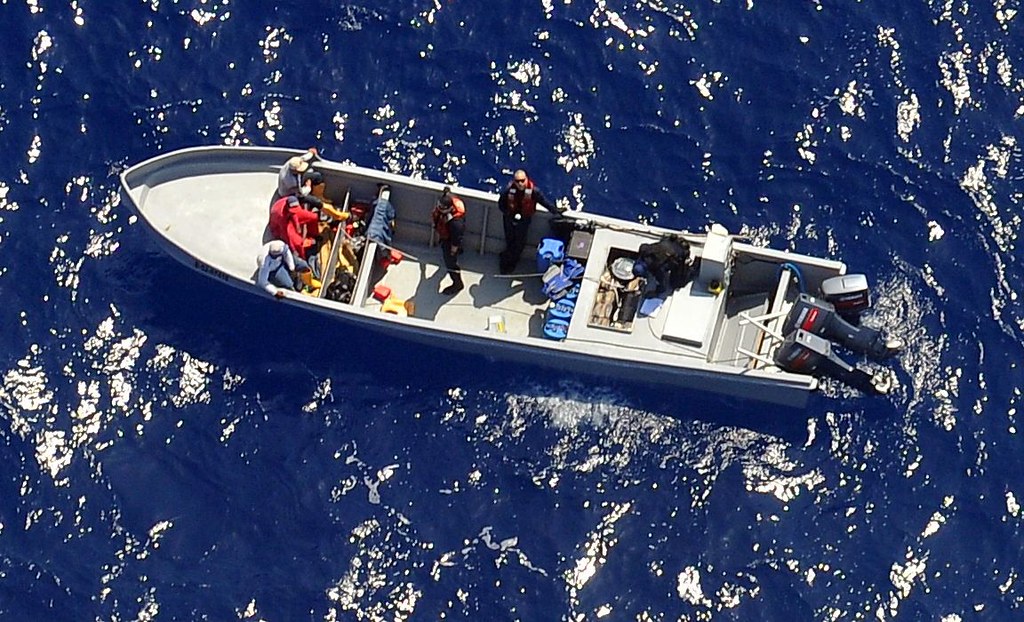

Key Takeaways
- Sen. Tillis demands a full probe into a reported second boat strike.
- Allegations say survivors of the first attack were killed in a follow-up.
- Defense Secretary Hegseth calls reports fake news and defends his team.
- Lawmakers on both sides push for stronger oversight of the boat strike campaign.
Senator Thom Tillis blasted the Pentagon on Monday over a controversial boat strike. Reports said Defense Secretary Pete Hegseth ordered a second attack on survivors of an earlier strike. If true, Tillis said, anyone responsible must “get the hell out of Washington.”
Sen. Tillis’s Sharp Reprimand
Senator Tillis spoke to reporters after Newsweek published claims about the follow-up attack. He warned that a second assault on survivors would violate moral, ethical, and legal codes. Tillis, who has often clashed with Trump, said Congress must dig deeply into the matter. He stressed that the public deserves clear answers about this boat strike.
Controversial Second Attack Allegations
According to a Washington Post report, a commander killed two survivors after the first strike. The commander allegedly followed a verbal order from Hegseth to “kill everyone on board.” If confirmed, this boat strike would break U.S. and international law. Critics worry the action set a dangerous precedent for military operations.
White House and Pentagon Fight Back
White House Press Secretary Karoline Leavitt confirmed a second strike took place. However, she said Admiral Frank Bradley acted within his authority and followed the law. Meanwhile, Secretary Hegseth called the reports “fake news.” He praised Adm. Bradley as an American hero and defended all decisions made during the boat strike campaign.
Bipartisan Concerns and Legal Questions
Lawmakers from both parties now demand stronger oversight of naval operations. They question how rules of engagement are set and approved. Former military lawyers warn these strikes could violate domestic law and the Geneva Conventions. A classified Justice Department memo, however, reportedly said participants would not face prosecution.
President’s Reaction to Boat Strike Reports
President Trump backed his defense secretary but expressed doubt about the alleged second attack. He told reporters he would not have approved such an action. Yet, he affirmed his support for the broader mission against drug trafficking in the Caribbean and Pacific. His mixed response highlights tensions within the administration.
The Ongoing Military Campaign
Over the last three months, U.S. forces have targeted suspected drug-smuggling boats near Central America. Officials say the boat strike campaign has seized tons of illegal drugs. They argue these operations disrupt cartels and save lives. However, critics say the strategy risks civilian casualties and legal overreach.
Ethical and Legal Red Flags
Experts warn that killing survivors crosses an unbreakable line. Under U.S. law, wounded or captured enemy fighters must be protected. International law also forbids attacking shipwrecked persons. If the boat strike claims hold up, the U.S. could face serious legal and diplomatic fallout.
Calls for Congressional Oversight
Sen. Tillis and others urge Congress to hold hearings on the boat strike rules. They want clear guidelines on when U.S. forces can open fire. Some advocates push for an independent inquiry. They argue that secret memos and verbal orders leave too much room for error.
Impact on U.S. Military Credibility
Allegations of unlawful boat strikes could erode global confidence in U.S. forces. Allies may question American respect for the rule of law. Adversaries could use the reports to fuel anti-U.S. propaganda. Maintaining a strict ethical code is vital for long-term alliances and U.S. leadership.
Defense Department Response
The Pentagon insists all strikes followed legal and moral standards. They point to training, oversight, and chain-of-command procedures. Secretary Hegseth claims that every mission received legal review. Nevertheless, the department has offered to brief key lawmakers behind closed doors.
What Happened Next?
The Pentagon has launched an internal review of the boat strike allegations. Meanwhile, Sen. Tillis plans to introduce legislation for tighter controls on maritime operations. Other senators have scheduled a classified briefing with top military leaders. The outcome could reshape rules for future deployments.
Voices from the Fleet
Some service members worry the controversy will hurt morale. They fear political fallout might hamper critical missions. Others insist they followed orders and did nothing wrong. Veterans groups demand transparency but also defend the troops on the front lines.
Public Reaction and Media Coverage
News of the boat strike has ignited heated debate online. Some commentators label Hegseth a war criminal. Others claim the critics are twisting facts to score political points. Most agree on one thing: the public deserves a full, fair explanation.
Looking Ahead
The fallout from this boat strike scandal is far from over. If evidence proves the second attack, top officials could face serious consequences. On the other hand, a clean bill of health from the Pentagon might calm fears. In any case, calls for oversight and accountability will only grow louder.
Maintaining Trust
Restoring American trust in military operations requires openness. Congress, the White House, and the Pentagon must work together. They need clear rules, honest reporting, and swift action on any wrongdoing. Only then can U.S. forces carry out future missions with integrity and confidence.
Boat Strike Oversight: Next Steps
Senator Tillis’s push for a boat strike probe marks a turning point. As lawmakers press for answers, public attention will intensify. The coming weeks will reveal whether allegations hold water or fade away. Either way, the debate over battlefield ethics will stay front and center.
Frequently Asked Questions
What is a boat strike?
A boat strike refers to a military attack on vessels at sea. In this case, U.S. forces targeted boats used for suspected drug smuggling.
Why is a second boat strike controversial?
The second strike allegedly hit survivors from the first attack. This violates laws protecting shipwrecked or wounded people.
How has the Pentagon responded?
The Pentagon and the White House say the follow-up strike was legal. They deny any orders to kill survivors and defend their forces.
What could happen next?
Congress may hold hearings and pass new rules on maritime operations. The Pentagon’s internal review will also shape future military policy.