


Key takeaways:
- President dozed off three times during a televised Cabinet meeting.
- MSNBC hosts highlighted the trend of Trump naps and health questions.
- Co-hosts linked fatigue to late-night rage-tweeting sessions.
- Renewed debate over his schedule and energy levels emerged.
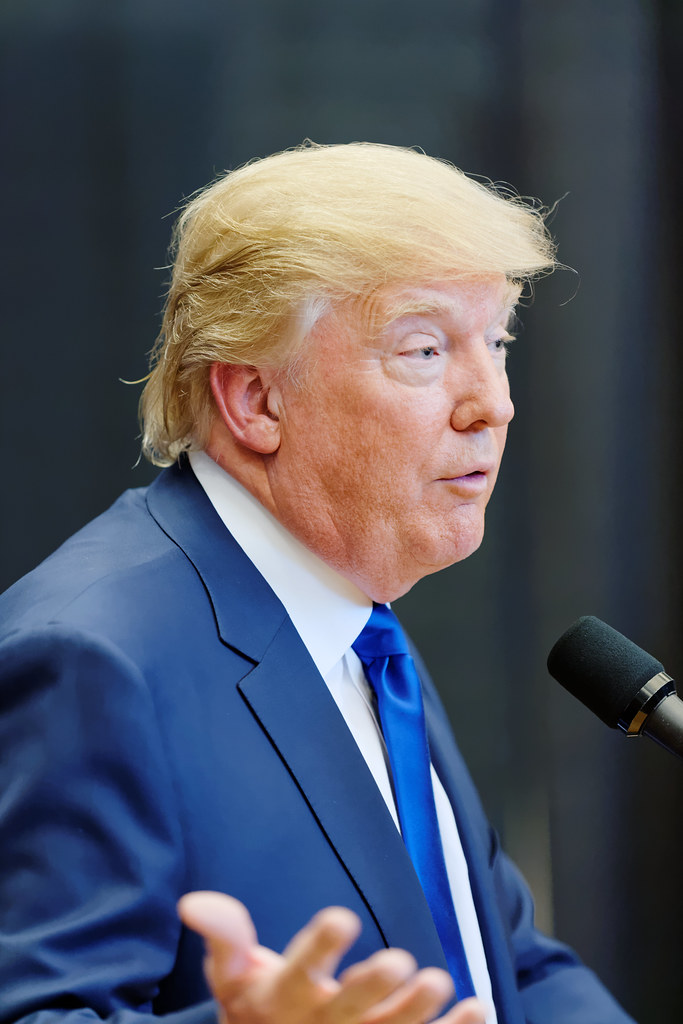
During a live Cabinet meeting, President Trump appeared to fall asleep on three separate occasions. Viewers watched as he nodded off while officials praised his work. This marked the second time in a month that Trump naps have made headlines. As he turned 79, more people are asking if fatigue or health issues play a role.
Why Trump Naps Raise Health Concerns
The pattern of Trump naps has fed growing worries over his well-being. At this age, sleep habits can signal health changes. Moreover, public figures face intense scrutiny. When a president dozes on camera, it invites questions.
First, critics point out that a leader must show stamina. A long, early-morning meeting seemed perfect for an alert president. However, the reports say he nodded off three times. Each brief pause opened more doubts.
Second, the White House previously claimed President Trump works tirelessly around the clock. Yet media reports suggest he logs fewer hours than his past routine. When the Times revealed this, the White House pushed back hard. Then, Trump naps happened just a day later. Skeptics say that timing looks bad.
Finally, some wonder if sleep disorders might be involved. While only a doctor can diagnose such issues, public concern grows when naps recur. Therefore, every instance adds fuel to the debate on his fitness for office.
One More Night of Rage Tweeting?
Joe Scarborough on Morning Joe offered another theory. He said that rather than a health scare, Trump naps may stem from late-night tweeting marathons. Indeed, the president often sends out multiple messages after midnight. He can focus on crafting conspiracy theories and attacks well into the early hours.
Consequently, missing sleep at night could lead to dozing off the next day. Scarborough noted that the real worry is not a nap in daylight. Instead, it is what happened in the dark hours before. If a president spends half the night online, fatigue makes sense.
Moreover, the sudden spike in controversial tweets suggests longer sessions at the phone. Hours spent scrolling and typing can disrupt normal rest. Thus, Trump naps may simply be a side effect of modern political behavior. Yet the optics remain a problem.
How Often Do Trump Naps Happen?
This instance was not the first time. Media outlets counted at least two prior public dozing events in recent weeks. Once, he appeared to drift off during a campaign event in Florida. Another time, he seemed to nod during a panel discussion.
Furthermore, aides and insiders sometimes mention his unconventional work style. They say he can focus better late at night. While work habits vary by person, the public expects consistency from a commander-in-chief. Repeated naps on camera undermine that image.
Also, critics compare this pattern to past presidents. Few have faced the same level of sleep scrutiny. When Ronald Reagan and Bill Clinton aged, their stamina became talking points too. However, in the social media era, every tiny move goes viral. Trump naps now spread faster than ever.
What This Means for the President
The fallout from Trump naps can be political. Opponents may use them to question his energy. They could say he lacks a drive for rigorous daily tasks. Meanwhile, allies might downplay the events. They argue that brief rest is normal and harmless.
However, repeated incidents often shape public opinion. If voters grow convinced the president cannot stay awake during key moments, trust erodes. In election season, trust matters more than ever. Thus, each nap becomes more than a sleepy slip—it turns into a political liability.
In response, the White House might adjust his schedule. They could push longer breaks or rearrange speaking slots. Alternatively, they may coach him to limit late-night social media. Such steps could reduce fatigue and stop further nap headlines.
Ultimately, how the president handles this issue shows his team’s damage control skills. Quick fixes might quiet the noise temporarily. But long-term, health and habits need clear answers to reassure the public.
Moving Forward After Trump Naps
First, the president could address the matter directly. A brief statement on his sleep routine would show transparency. Next, he might invite a medical expert to explain his health. That way, Americans can hear facts, not rumors.
Meanwhile, campaign teams often plan around these events. They might schedule photo-ops after known rest periods. They could also cut down on late-night events that zap energy. Also, limiting on-camera downtime can help.
Beyond logistics, this debate underscores how leadership image and daily habits connect. In a 24/7 news cycle, small slips become big stories. Therefore, avoiding Trump naps in public could be a simple path to fewer headlines about fatigue.
At the same time, some allies say a short nod might humanize him. They argue people doze off in boring meetings all the time. Yet, critics counter that a president must set a higher standard.
In the end, trust hinges on consistency. If Trump naps fade away, the issue might vanish too. But if they continue, each new clip will spark fresh concern.
FAQs
What exactly are Trump naps?
They refer to the moments when the president appeared to fall asleep on camera during meetings and events.
How many times has he been caught napping?
In recent weeks, at least three public incidents have been noted, including two in less than a month.
Why do Trump naps worry people?
They raise questions about his health, energy levels, and ability to lead without fatigue.
Could late-night tweeting cause these naps?
Yes, working or tweeting late can disrupt sleep, leading to drowsiness the next day.