


Key takeaways:
- Adm. Bradley said survivors couldn’t call for help.
- Lawmakers debated for over 40 minutes what to do.
- The second strike aimed to destroy boat remains.
- Critics called the rationale “insane.”
- Defense Secretary said it removed a threat.
In early September, U.S. forces launched a double tap strike on an alleged drug boat. Defense Secretary Pete Hegseth called the move vital. However, a top admiral later challenged that key claim. New details show the survivors lacked any chance to signal for rescue. They were busy trying to flip their boat back upright. Yet commanders still hit them a second time. This incident raises deep questions about rules of engagement. It also tests U.S. commitment to international law. Here is what really happened behind the scenes.
How the Double Tap Strike unfolded
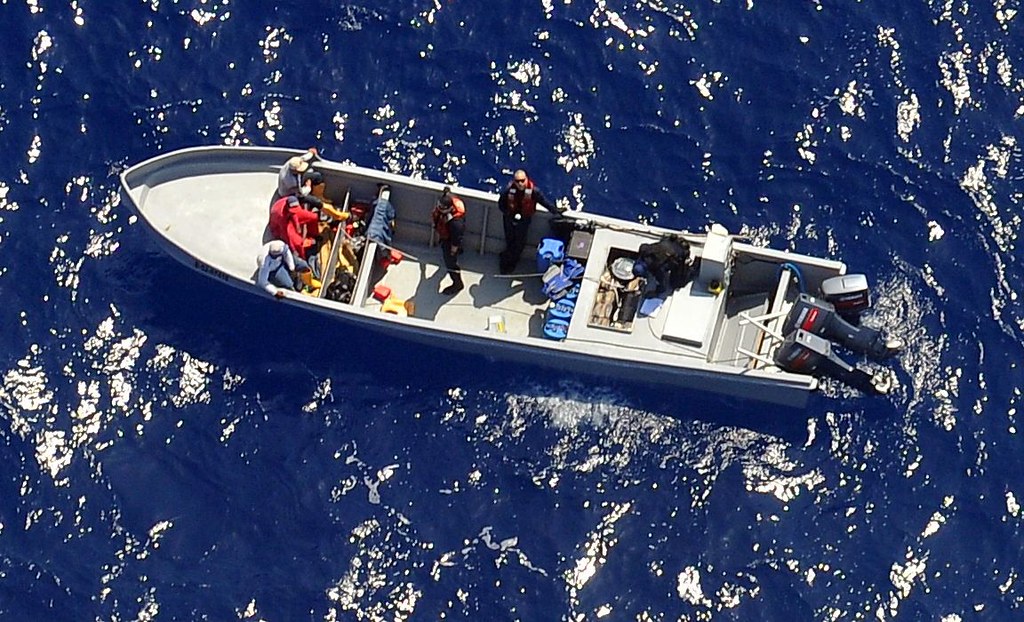
On Sept. 2, a Navy patrol plane spotted a fast-moving vessel in international waters. The crew believed it carried a large load of cocaine. They alerted nearby ships. Then they fired a warning shot. When the boat failed to stop, U.S. forces struck it once. The blast capsized the vessel. Two survivors clung to the hull in rough seas. Meanwhile, Secretary Hegseth said the strike was needed to eliminate the threat. He argued the boat could still fire on passing ships.
Inside a secure briefing, Adm. Frank “Mitch” Bradley painted a different picture. He told lawmakers the capsized crew had no weapons. In fact, they had no way to call for help. They worked to flip their wrecked boat back over. For more than 40 minutes, top officers argued about next steps. Should they send a rescue team? Or should they finish off the boat? Finally, Bradley ordered a second strike to destroy the hull and any cargo aboard.
Why the second strike happened
Adm. Bradley said he made the call because part of the vessel still floated. He feared it held thousands of pounds of cocaine. He argued the survivors could salvage the drugs and sail away. Under maritime law, a vessel loaded with contraband is a fair target. Yet once it is disabled, the law protects shipwrecked people. Bradley said he weighed those rules against the chance of more drug shipments. He believed sinking the wreck would block the contraband from reentering the market.
Still, one source described the reasoning as “f—— insane.” They asked why the U.S. military would kill people just to protect drug profits. Critics pointed out the survivors never threatened harm after the first blast. In addition, sea currents might have pushed them toward shore. Instead of a follow-up strike, commanders could have used nonlethal boarding teams. They could have recovered the drugs and detained the crew without lethal force. Yet Bradley stuck to his decision, saying it was necessary to stop trafficking.
Critics react to the Double Tap Strike
Once the briefing details emerged, reaction was swift. Former military leaders questioned targeting unarmed survivors. They noted decades of practice against striking shipwrecked crews. Human rights groups called for an independent investigation. They argued the action might breach the law of armed conflict. Some legal experts said killing shipwrecked persons without immediate threat is unlawful.
However, Defense Secretary Hegseth defended his original statement. He said the double tap strike removed a clear danger. He insisted that cocaine poses a threat to national security. Moreover, he argued the survivors could have used small arms or improvised weapons. Still, many disagree. They say the strike blurred the line between stopping drugs and killing innocents. They worry such tactics could hurt U.S. credibility with allies and partners.
What’s next after the Double Tap Strike
This report has sparked more questions than answers. Congress may call additional hearings to probe the events. Lawmakers will examine the legal basis for the second strike. They will ask who approved the final order. They may also seek data on similar operations. Meanwhile, the Navy is reviewing its rules of engagement. Leaders want clearer guidance on follow-up attacks against disabled vessels.
Some experts suggest new policies. They say commanders should never order a double tap strike without clear proof of ongoing danger. They propose mandatory use of nonlethal options. For instance, boarding teams could seize contraband and take suspects into custody. Others call for faster rescue protocols for any survivors at sea. In addition, some lawmakers want public disclosure of all naval interdiction missions. They argue transparency builds trust at home and abroad.
Conclusion
The new details about the double tap strike reveal a sharp divide in military thinking. On one side, some leaders saw a clear need to end drug trafficking at sea. On the other, critics call the decision immoral and legally dubious. As investigations continue, the full story of that September night will come into focus. In turn, future operations may see big changes in how commanders handle similar incidents. This case could reshape U.S. naval policy for years to come.
Frequently Asked Questions
What is a double tap strike?
A double tap strike is a tactic where forces hit a target twice. The goal is to destroy any remaining threat or equipment after the first attack.
Why did Adm. Bradley order the second strike?
He believed the capsized wreck still held cocaine. He feared survivors could recover the drugs and keep trafficking.
Did the survivors pose a military threat?
According to the briefing, they were unarmed and unable to call for help. They did not show hostile intent after the first strike.
How could this affect future naval missions?
Lawmakers may impose stricter rules on follow-up strikes. The Navy might require nonlethal options or rescue plans before attacking disabled vessels.