


Key takeaways
- President Trump suggested 6G networks could let us see deeper into someone’s skin.
- Qualcomm’s CEO told Trump that 6G networks are coming soon after 5G.
- Industry experts expect 6G networks to bring faster speeds and stronger connections.
- Critics raise privacy, health, and security questions about 6G networks
Trump’s 6G Networks Suggestion
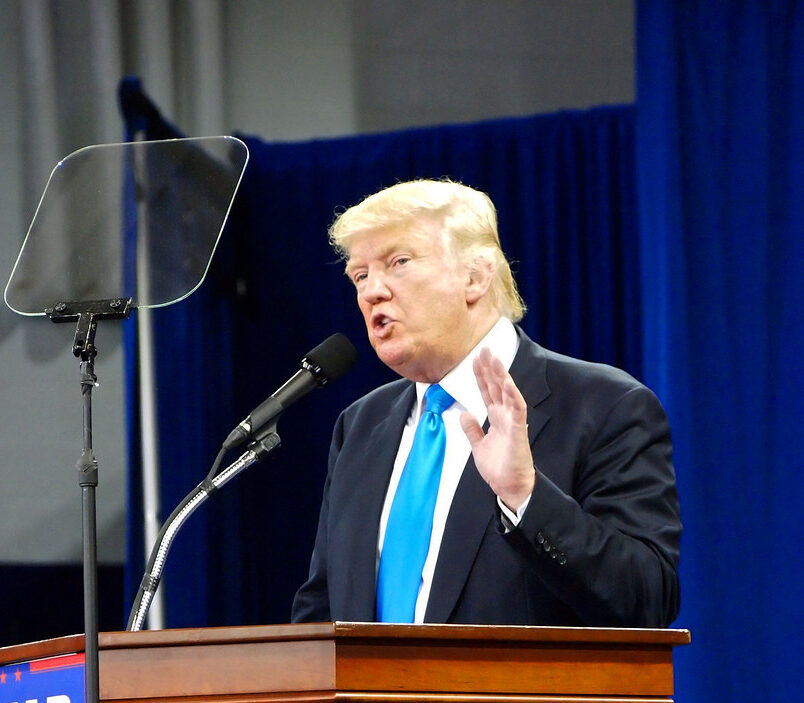
At a recent gathering, President Donald Trump asked about 6G networks. He asked if they can show “a little bit deeper view into somebody’s skin.” He compared them to old cameras that captured every tiny detail. His words surprised many in the tech world. They wonder how 6G networks could offer that kind of view.
Sales and marketing leaders joined Qualcomm’s CEO Cristiano Amon in the meeting. Mr. Amon said that 5G work is nearly done. Then he added that 6G networks will arrive in the next few years. Trump replied that he led on 5G and he wanted to do it again with 6G networks. He seemed curious about its camera-like powers.
How 6G Networks Might Work
First, 6G networks will use higher radio frequencies than 5G. These waves can carry more data over short distances. Also, they require new antennas and tiny base stations. Moreover, engineers plan to use smart antennas that aim signals at your device. This approach will boost speed and cut delays.
Second, 6G networks may tap into terahertz frequencies. For example, they could handle virtual reality calls and real-time video with no lag. In addition, advanced coding and artificial intelligence will manage traffic. As a result, networks will learn how to route data faster. Finally, clouds and edge servers will join towers to serve content quickly.
Industry Experts Respond
Many experts say Trump mixed up network features with camera lenses. They explain that 6G networks handle data, not image detail. In fact, camera quality depends on sensor design and software. Even so, some forms of imaging use radio waves, like through-wall radar. However, that work is separate from public cellular use.
Furthermore, researchers stress that 6G networks aim to connect devices, not scan people. They believe Trump’s comments stemmed from curiosity, not science. Also, they add that 6G standards are still years away. Meanwhile, 5G networks will expand in cities and rural areas. Thus, 6G conversations remain early and experimental.
Potential Issues with 6G Networks
Privacy stands out as a major concern around 6G networks. Critics worry that ultra-fast connections could let apps track you too closely. Moreover, hackers might exploit new frequencies to intercept data. Also, tiny base stations could be hard to protect physically. Finally, without strong rules, companies might collect and share sensitive data.
Health questions also arise. Some people fear high-frequency waves could harm skin or eyes. Yet so far, studies show no clear risk from current 5G waves. Still, terahertz bands for 6G networks sit between microwaves and infrared light. Scientists will need fresh safety tests before any rollout. Regulatory bodies must set exposure limits first.
Security poses a third risk. As 6G networks spread, they may link billions of devices. For example, self-driving cars, smart homes, and hospital gear will ride on the same infrastructure. Hackers might target weak devices to cause widespread outages. Therefore, experts call for built-in security when designing 6G networks.
Why 6G Networks Matter
Despite questions, 6G networks promise big benefits. They could support hologram calls and live holographic concerts. In education, students might interact with virtual teachers in real time. Also, hospitals could monitor patients with high-resolution remote sensors. In factories, robots will coordinate tasks instantly.
For everyday users, 6G networks will mean nearly no delays in downloads. Movies and games will stream without buffering. In smart cities, traffic lights could talk to cars to prevent jams. Moreover, emergency teams might get live 3D maps of disaster sites. All these gains depend on strong, fast connections that 6G networks may offer.
Final Thoughts
President Trump’s question about seeing under skin sparked a wider chat on 6G networks. While his idea mixes imaging and data tech, it highlights public interest. However, real 6G networks face big technical, safety, and privacy hurdles. In the coming years, experts will set standards and test new gear. For now, we wait to see how 6G networks shape our digital future.
Frequently Asked Questions
What exactly are 6G networks?
6G networks represent the next step after 5G. They aim to deliver even faster speeds, lower delays, and smarter data management using new frequency bands and AI tools.
When will 6G networks arrive?
Most experts expect early trials by the end of this decade. Wide commercial use may begin around 2030 or beyond, depending on research and regulations.
Could 6G networks really scan people?
No. Cellular networks move data, not images. Any form of through-skin imaging uses separate radar systems, not public mobile networks.
What challenges face 6G networks?
Key hurdles include safety tests for new frequencies, robust security against cyberattacks, and clear privacy rules to protect user data.