


Key Takeaways:
- President Trump brands fentanyl a weapon of mass destruction.
- The new label could let the administration target drug boats at sea.
- GOP speechwriter Tim Miller calls the fentanyl weapon idea absurd.
- Critics warn about medical use and possible hospital shortages.
- Legal experts expect court challenges and debate over definitions.
Trump’s Fentanyl Weapon Declaration Sparks Outcry
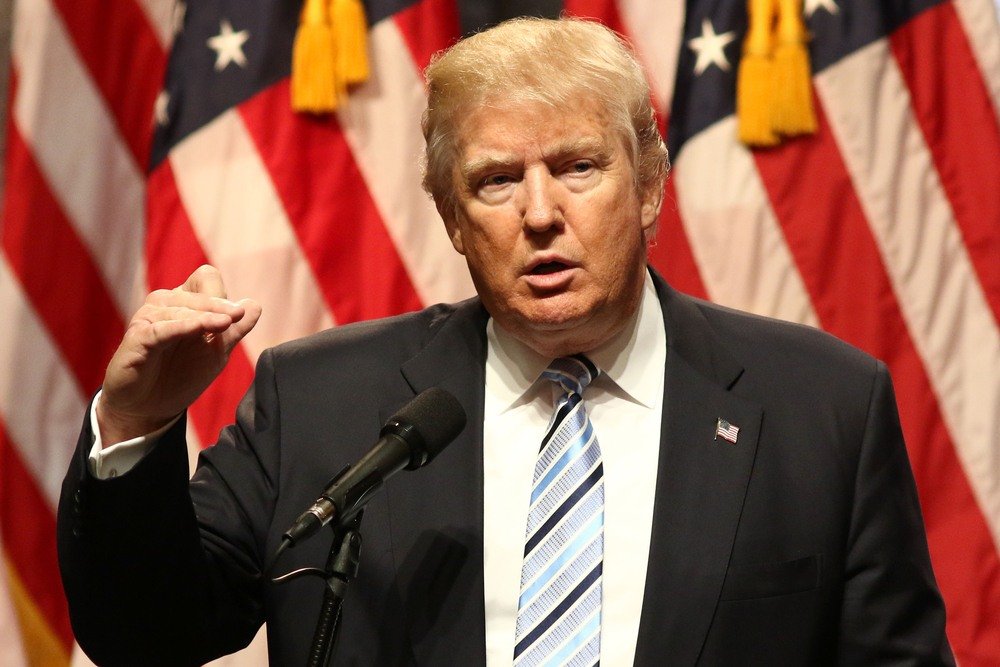
On Monday, President Trump announced he would treat fentanyl as a weapon of mass destruction, calling it a “fentanyl weapon.” The declaration took place at the White House during the Mexican Border Defense Medal ceremony. Trump said this new emergency status will allow his team to act swiftly against drug vessels on the high seas. Moreover, he suggested it would help curb the flood of deadly opioids into U.S. streets.
Tim Miller, a former GOP speechwriter and host of The Bulwark Podcast, reacted strongly in a new video. He called the idea of labeling fentanyl a weapon of mass destruction absurd. After all, fentanyl is a painkiller used in hospitals every day. He asked, “If fentanyl is a weapon, are hospitals now using weapons of mass destruction?” He warned the move shows how loosely the term weapon can be applied.
Understanding the Fentanyl Weapon Label
A weapon of mass destruction usually refers to nuclear bombs, chemical agents or biological threats. By calling it a fentanyl weapon, the White House blurs that line. Under this label, fentanyl shipments at sea can face military action. As a result, the administration hopes to seize vessels and disrupt cartel routes.
However, fentanyl works very differently from a bomb or gas. It kills by altering brain chemistry after people swallow or inhale it. No explosion or wide-area release occurs. Therefore, critics say the fentanyl weapon designation lacks real scientific basis. They point out that the administration is stretching the term to gain legal power.
Legal Effects of the Fentanyl Weapon Declaration
Designating fentanyl as a weapon lets the administration use emergency war powers. Officials can treat cartel boats like enemy ships carrying illicit arms. This may remove some diplomatic hurdles for intercepting vessels in international waters. For example, the Navy could board or sink a ship if it carries fentanyl.
Moreover, this move could bypass some domestic rules on drug enforcement. It might boost cooperation with allies on intelligence and naval patrols. Yet, legal experts doubt the declaration will last. Courts require precise definitions before approving a substance as a weapon of mass destruction. Since fentanyl has accepted medical uses, judges may block the order.
Why Critics Say This Move Falls Short
Critics argue that the fentanyl weapon label creates more confusion than solutions. First, hospitals rely on fentanyl for surgery and severe pain. If authorities constrain all shipments, legitimate medical supplies could run low. Doctors and nurses worry about patient care disruptions.
Second, lawmakers say the executive branch is overstepping its authority. Only Congress can declare war or define weapons of mass destruction. By issuing this label through an executive order, Trump may spark legal battles. Senators and representatives could challenge the move as unconstitutional.
Also, public health experts note that military actions alone cannot end the opioid crisis. They call for expanded treatment, prevention and mental health programs. Without these, overdose deaths may keep rising despite tougher naval patrols.
A Broader Look at Opioid Policy
The opioid crisis has cost over a million lives in the last two decades. Fentanyl, 50 times stronger than heroin, causes many recent deaths. Officials find it mixed into cocaine, meth and fake pills. This mix makes it hard for users to know what they take.
To fight this crisis, communities use naloxone kits to reverse overdoses. They also run safe needle sites to reduce infections. Treatment centers offer therapy and medication-assisted recovery. Education campaigns teach young people about drug dangers.
Yet, funding for these programs remains tight. Many rural and low-income areas lack access to rehab services. Families struggle to find beds for loved ones in treatment centers. Critics say investing in these solutions would save more lives than labeling fentanyl a weapon.
The Road Ahead for the Fentanyl Weapon Rule
The administration plans to share more intelligence with allies in Asia and Latin America. They aim to track precursor chemicals shipped from overseas labs. By cutting off these precursors, they hope to choke cartel production.
Meanwhile, Mexico has agreed to coordinate patrols along busy maritime routes. Some analysts say better data sharing could help stop small shipments before they hit U.S. shores. However, weakening lab networks may push cartels to find new routes or disguises.
It will take months to see if the new policy changes smuggling patterns. Court challenges may delay or block some naval operations. Moreover, hospitals and pharmacies will watch for any impact on fentanyl availability.
Final Thoughts
Labeling fentanyl a weapon of mass destruction marks a bold shift in U.S. drug policy. It shows the administration’s frustration with rising overdose numbers. Yet, the move raises legal questions and medical concerns. While it offers tools to disrupt cartel shipments, it may not address the crisis at home. Ultimately, combining enforcement with public health strategies may prove more effective.
FAQs
What does this new declaration change for drug enforcement?
The change allows the use of military powers to intercept boats carrying fentanyl in international waters.
Could hospitals face shortages because of this label?
Yes. If officials seize more shipments, legitimate medical supplies of fentanyl might become harder to get.
Is the fentanyl weapon designation likely to stand up in court?
Many legal experts doubt it, since fentanyl has recognized medical uses and does not fit typical weapon definitions.
What else can help reduce opioid deaths?
Investing in addiction treatment, mental health services and public education can have a strong impact on overdose prevention.