


Key Takeaways:
- President Trump aims to reshape independent agencies by removing limits on firing their leaders.
- The Supreme Court is set to overturn a key rule that once protected agency independence.
- Emergency rulings have flooded the courts, creating confusion nationwide.
- The administration sidestepped Senate approval with extended interim U.S. attorney terms.
- Judges from all backgrounds warn these moves threaten the rule of law.
Trump’s Battle Over Independent Agencies
America’s system favors checks and balances. Independent agencies play a key role. They make rules on health, safety, and finance. Presidents could not easily remove their leaders. Now, that may change. Donald Trump argues he can fire agency heads at will. The Supreme Court just heard arguments on this issue. Judges seem ready to side with the administration. If they do, presidents will gain vast new power.
Independent agencies will face a major shift. Agencies like the SEC and FCC may lose their autonomy. Trump could replace experts with loyalists. Those who disagree might lose their jobs. Regulations could swing wildly from one agenda to the next. This change marks a break from decades of balanced rulemaking. As a result, industries and the public may see rapid shifts in policy. Such swings can cause uncertainty and harm long-term planning.
Impact on Independent Agencies and the Rule of Law
Supreme Court Case and Precedent
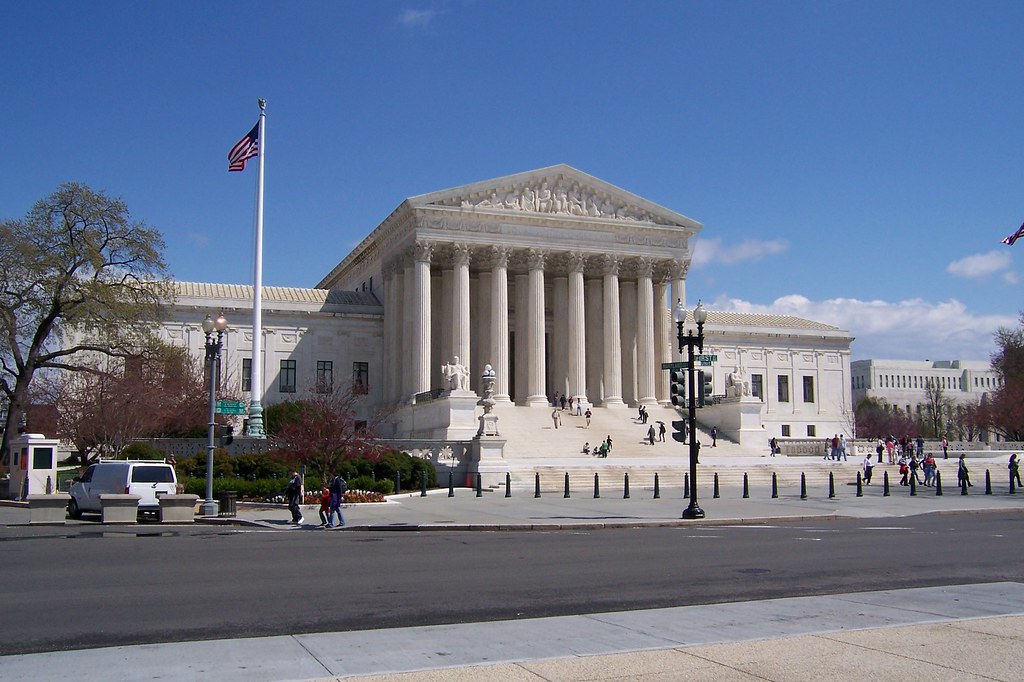
The recent case challenged the Humphrey’s Executor rule. That rule stops presidents from firing agency leaders without cause. Trump’s team argues it violates presidential authority. During oral arguments, justices pressed hard on this point. Many believe the court will side with the president. If so, agencies lose their shield. Then, presidents can remake them entirely. Experts fear rulemaking will become political showdowns.
Shadow Docket Surge
This year, the Supreme Court used its emergency docket more than ever. Courts issue quick decisions with limited explanation. Such rulings can block or allow policies nationwide in days. However, they leave lower courts guessing on the final law. For example, the birthright citizenship case jumped to the court with little briefing. The result: different judges across the country gave mixed orders. Citizens in one state might face old rules, while others see new ones. This chaos burdens courts and confuses the public. Moreover, judges say it undermines trust in the system.
Interim U.S. Attorneys Issue
Next, the administration targeted U.S. attorneys. Law limits interim attorneys to 120 days. After that, the Senate must confirm them. Trump’s team kept many in place for months or years. Courts in every region called this unlawful. Yet, the administration presses on. If unchecked, this approach could bypass Senate advice and consent. As a result, presidents could place prosecutors without approval. This weakens legislative checks on executive power.
Department of Justice Politicization
Furthermore, Trump ordered the Justice Department to pursue cases against critics. He also granted many pardons and commutations. On day one, he pardoned over a thousand people tied to January 6. He later pardoned a former foreign president accused of drug trafficking. Critically, these moves clash with legal norms. They show he views the law as whatever he says it is. Judges worry the Justice Department will act as the president’s personal lawyer. This trend erodes the separation between politics and justice.
Ignoring Court Orders
In addition, the administration has sidestepped lower court rulings. Our system requires obeying district court orders unless a higher court stays them. Yet, federal agencies often press ahead anyway. This tactic writes trial judges out of the process. It also weakens respect for judicial authority. Former Judge John E. Jones III said he expected his orders to be followed. Now, he sees a government that treats court rulings as optional. This dynamic shakes the foundation of the rule of law.
Judges Speak Out
Finally, judges from across the political spectrum have broken their tradition of silence. They step forward to defend the justice system. Many served long terms and never spoke publicly before. Now they warn Americans about the damage to our courts. They call for action to restore respect for legal boundaries. Their voices show deep concern for the country’s future.
Conclusion
Overall, Trump’s approach marks a stark shift in presidential power. Independent agencies could lose their autonomy. The Supreme Court seems ready to back this change. Emergency rulings spread confusion in the courts. The administration sidesteps Senate oversight and court orders. Judges warn these moves threaten the rule of law. As these battles continue, Americans must stay informed and engaged.
Frequently Asked Questions
What happens if the Supreme Court overturns the Humphrey’s Executor precedent?
If that rule ends, presidents can fire independent agency heads without cause. Agencies may become more political and less stable.
Why are independent agencies important?
Independent agencies make policies on key issues like finance, health, and the environment. They protect the public by keeping politics out of rulemaking.
How does the shadow docket affect the courts?
The shadow docket allows quick emergency decisions with little explanation. It leads to mixed rulings and confusion in lower courts and among the public.
Can presidents appoint U.S. attorneys without Senate approval?
Law limits interim U.S. attorneys to 120 days. Courts ruled extensions unlawful. If ignored, presidents could place prosecutors without consent.
Why are judges speaking out now?
Judges worry unprecedented actions by the administration threaten our legal system. They speak up to defend judicial independence and the rule of law.