


Key Takeaways
• President Trump joked that his son would rather hunt in a jungle than attend his memorial.
• Trump repeated his personal theory that “wildlife wins,” especially as a warning to his son.
• Donald Trump Jr. is an avid hunter who has faced criticism over past hunts.
• Trump has long made disparaging remarks about dangerous animals like sharks.
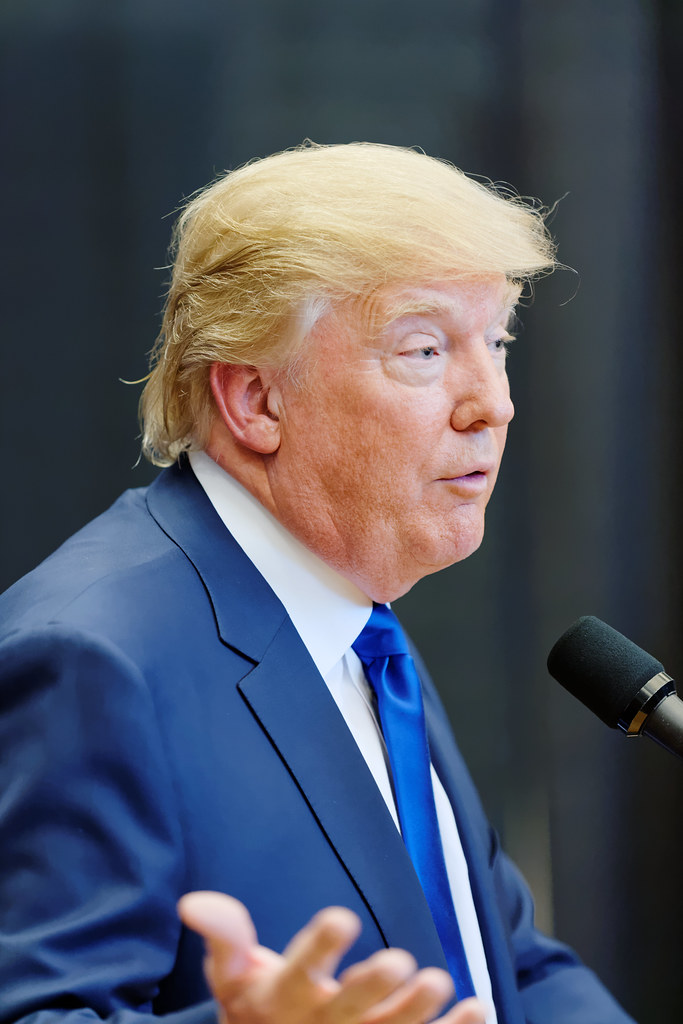
President Donald Trump spoke at the White House about a new memoir on the Amazon. While discussing venomous snakes, he turned to his son, Donald Trump Jr., with a playful yet serious warning. Trump said his son might skip his memorial one day. He joked that his son would rather be deep in a jungle on a hunt. Then he warned, “wildlife wins.”
The Jungle Joke
Trump began by praising James Jones’s book on surviving snake bites in Peru. He noted how dangerous the rainforest can be. Then he addressed his son directly. He said, “I have a son who would rather be in the jungle than any place on earth.” Trump laughed as he imagined his son at his funeral. He said Trump Jr. would show up, say a quick prayer, and then vanish back into the wild.
However, Trump was not done. He added, “But remember this: wildlife always wins.” He repeated the phrase to make sure his son heard. In that moment, the joke turned into a warning. He meant that nature can be cruel, even for a skilled hunter.
Trump’s Theory on Wildlife Wins
Trump’s simple rule is that animals have the final say. He said this theory applies to all big game and dangerous wildlife. He warned his son that no matter how prepared a hunter might be, an animal can turn the tables. Therefore, even someone like Trump Jr. should respect nature’s power.
Moreover, Trump used the phrase “wildlife wins” to sum up his view. In fact, he repeated it several times that day. He said it in a way both humorous and sincere. As a result, the phrase became a key point of his speech.
Trump Jr’s Hunting Ventures
Donald Trump Jr. is well known for big-game hunts. He travels the world to pursue exotic animals. In 2019, he faced criticism for killing a rare sheep in Mongolia. Critics said that hunt cost taxpayers tens of thousands of dollars. Furthermore, he has been accused of illegally hunting protected species in Italy.
Despite the backlash, Trump Jr. defends his hunts as legal and ethical. He says they fund conservation in many regions. Yet opponents question whether the practice truly helps wildlife. As a matter of fact, groups like Humane World for Animals claim the opposite. They argue such hunts harm delicate ecosystems.
While Trump Jr. often shares photos of his trophies, his father rarely speaks about them directly. However, on Sunday, Trump merged both topics: his son’s passion and the danger of the wild. By warning that “wildlife wins,” Trump reminded his son that nature can be unpredictable.
Trump’s Past Wildlife Remarks
For over a decade, Trump has made harsh comments about animals. In 2013, he insulted sharks, calling them “last on my list.” He added that only “losers and haters” would side with sharks over humans. Since then, he has suggested attacking sharks after they harm people.
His words on Sunday fit that pattern. He spoke about venomous snakes first. Then he jumped to big-game hunting and sharks. Therefore, his view of wildlife is often negative. He seems to see animals as threats or trophies, not partners in nature.
Yet some hunters and conservationists disagree. They say ethical hunting can protect species and habitats. They point to fees and permits that fund parks and anti-poaching teams. However, Trump’s “wildlife wins” theory ignores these positives. It focuses only on the risk animals pose to humans.
What This Means
First, Trump’s joke shows his playful bond with his son. Yet it also highlights his belief in nature’s power. He used humor to deliver a serious message. Meanwhile, Trump Jr.’s reaction was not shown. But the public saw his father warn him in front of cameras.
Second, the phrase “wildlife wins” may stick with Trump’s audience. It sums up the idea that nature can outsmart humans. For some, it is a catchy slogan. For others, it is a reminder to respect animals. Either way, the phrase is now part of Trump’s public image.
Third, the episode may spark debate on big-game hunting. Critics will point to Trump Jr.’s past hunts and the cost to taxpayers. Supporters will praise his conservation arguments and his right to hunt. Ultimately, Trump’s warning that “wildlife wins” could shape that debate.
In addition, Trump’s long history of mocking animals shows a pattern. He has picked on sharks, snakes, and now big game. He treats wildlife as foes or props. Yet experts say we need to view animals as vital to our planet’s health.
Finally, Trump’s remark about skipping his own memorial adds a personal twist. It shows his sense of humor and his frank way of thinking. At the same time, it reveals a father’s concern for his adventurous son.
Frequently Asked Questions
Why did Trump say “wildlife wins”?
Trump used the phrase to warn his son that nature can be dangerous. He meant that no matter how skilled a hunter is, animals hold the upper hand.
Has Trump Jr. faced controversies over hunting?
Yes, he drew criticism for killing an endangered sheep in 2019 and allegedly hunting protected ducks in Italy.
What does “wildlife wins” mean for hunters?
The phrase suggests that hunters must respect animals and stay cautious. It reminds them that the wild can be unpredictable and powerful.
Could this comment affect conservation views?
Possibly. Some may see it as a call to respect nature, while others may ignore conservation benefits of regulated hunting.