


Key Takeaways
- Defense Secretary Pete Hegseth and Sen. Mark Kelly clashed during a classified briefing.
- The fight centered on Caribbean boat strikes near Venezuela.
- Kelly pressed for answers about civilian harm and rules of engagement.
- Hegseth fired back with a separate probe into Kelly’s video warning troops.
- The debate raises questions about oversight, legality, and accountability
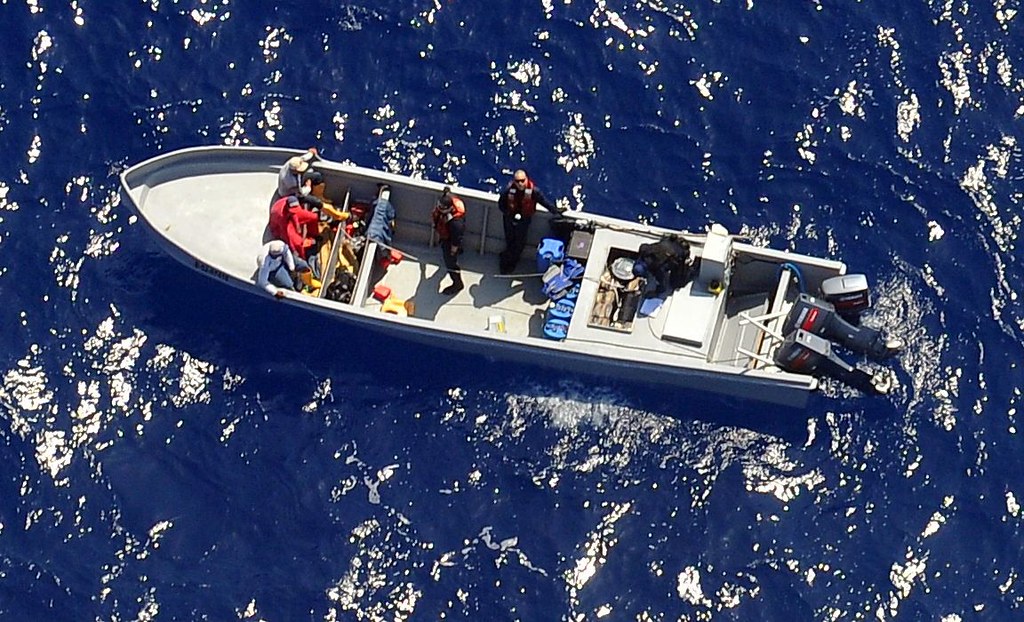
The Caribbean boat strikes triggered a tense showdown in Washington. On Tuesday, Sen. Mark Kelly spoke up during a closed-door briefing. He asked tough questions about recent military actions near Venezuela. In response, Defense Secretary Pete Hegseth brought up a separate investigation into Kelly. Witnesses called the scene heated and combative. Now, many wonder what comes next for U.S. military oversight and law.
What Sparked the Clash Over Caribbean Boat Strikes
Sen. Mark Kelly, a Democrat and former Navy pilot, wanted details. He asked about civilian safety and the rules of engagement. Military officials have kept the Caribbean boat strikes under wraps. However, lawmakers demanded clarity on who gave orders. They also wanted to know if any innocent people died. Kelly pointed out gaps in the public explanation of these strikes. He insisted that Congress has a right to full answers.
Meanwhile, Hegseth felt the line of questioning crossed a boundary. He cited a Department of Defense probe into Kelly for a video. In that video, Kelly and other veterans urged troops to resist unlawful orders. Hegseth argued that Kelly’s motion threatened the chain of command. He said the probe has nothing to do with the present briefing. Naturally, Kelly shot back and called the reference irrelevant.
The Heated Exchange in the Briefing Room
Witnesses describe raised voices and rapid interruptions. Kelly interrupted Hegseth to steer the talk back to Caribbean boat strikes. He said, “My question has nothing to do with your investigation.” Hegseth responded in firm terms, defending the probe’s validity. The back-and-forth went on for several minutes. Punchbowl News founder Jake Sherman called it a “heated dust up.”
Despite the tension, some committee members stayed silent. Others whispered among themselves about the odd crossfire. One aide said the clash felt more political than technical. Both sides left the room without resolving the main issue. Senators still lack clear data on civilian harm and mission goals. Consequently, calls for a formal hearing have grown louder.
Legal and Oversight Concerns
Critics warn that the Caribbean boat strikes could breach international law. Some legal experts say the attacks might qualify as unlawful killings. They point to potential civilian casualties and unclear targeting rules. Furthermore, they argue that Congress must review such operations beforehand. Without that oversight, strikes risk breaking both U.S. law and global treaties.
Additionally, the chain of command came under fire. Who approved the strikes? Were proper checks in place? Opponents worry that rushing military action without transparent review sets a dangerous precedent. In fact, lawmakers on both sides have voiced unease over secret missions that lack strict rules. They now push for new guidelines and more thorough briefings.
Meanwhile, Kelly’s camp fired back with legal threats of their own. His lawyer sent a letter to the Pentagon this week. The letter said the investigation into Kelly is politically driven and unlawful. It also warned that Kelly will sue if the probe continues. As a result, the Pentagon faces pressure from both congressional lawmakers and the senator himself.
Looking Ahead: Accountability and Action
Now, both sides must decide on next steps. Lawmakers may demand a public hearing on Caribbean boat strikes. That would force the Pentagon to reveal classified details in a secure setting. Alternatively, they could push legislation requiring stricter oversight for all covert naval missions.
For his part, Hegseth could pause the investigation into Kelly to ease tensions. Or he might press forward, asserting his authority as Defense Secretary. Either choice carries risks. Pausing could appear as a political concession. Pressing on could fuel accusations of abuse of power.
On the Senate side, Kelly and his allies might launch their own inquiry. They could question senior military leaders under oath. They may also seek internal reviews on how the strikes were planned and executed. Ultimately, the goal is clear: no future mission should proceed without solid legal guidance and full accountability.
In the end, the Caribbean boat strikes clash reflects a deeper struggle. It shows how military transparency and political rivalries can collide. It also highlights the challenges of balancing national security with public oversight. As the story develops, Americans will watch closely to see how their leaders resolve these urgent questions.
Frequently Asked Questions
What are the Caribbean boat strikes?
The Caribbean boat strikes refer to recent U.S. military attacks on vessels near Venezuela. Critics worry about civilian harm and secrecy around the operations. Lawmakers demand clear rules and impact data.
Why did Pete Hegseth mention the separate investigation?
Hegseth pointed to a Defense Department probe into Sen. Kelly’s video. In that video, Kelly and other vets urged troops to resist unlawful orders. Hegseth saw it as relevant to Kelly’s credibility.
Could the strikes be unlawful?
Some legal experts argue they might breach international law if civilians were harmed. They also question if the strikes followed proper rules of engagement and congressional oversight.
What happens next for oversight?
Senators may call public hearings or pass new rules for covert missions. They want stricter legal reviews before any future action. This clash could lead to lasting changes in military transparency.