


Key Takeaways
• A federal judge allows work on the White House ballroom to continue.
• Preservationists asked to stop renovation but were denied.
• Security concerns influenced the judge’s decision.
• The Trump administration must share detailed plans by month’s end.
A judge ruled that work on the White House ballroom may continue. Preservation groups wanted to halt the project. However, the court found the risks to be minimal. Tomorrow, we explain why the White House ballroom plan got the green light and what comes next.
Background of the White House Ballroom Plan
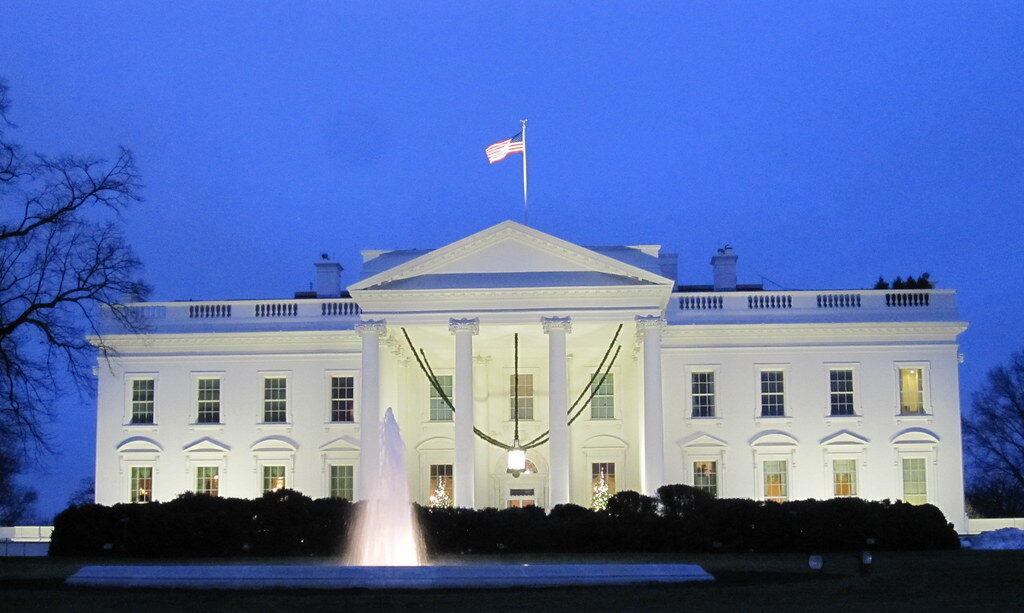
President Trump proposed a grand $300 million White House ballroom. He aims to modernize space beneath the mansion’s East Wing. Moreover, the plan could link to an underground emergency center. In theory, the new ballroom would offer extra event space. Yet preservationists worry about historic damage. They argue the work alters decades-old structures and heritage.
Preservationists Seek a Halt
The National Trust for Historic Preservation filed for an emergency block. They claimed subsurface digging could ruin historic foundations. In addition, they pointed to noise from heavy pile-driving equipment. The trust asked the court for a short pause. That way, they could seek a longer injunction later. Meanwhile, they noted that demolition already exceeded approved plans.
Judge’s Decision Allows Work to Proceed
U.S. District Judge Richard Leon denied the emergency request. He said the harm to preservationists was minimal. Also, he noted that deeper arguments could wait until early next year. Therefore, work may continue without interruption. During a busy hearing, the judge stressed the administration’s compliance. He demanded formal plans by December 31. “The court will hold them to that,” he said firmly.
How the White House Ballroom Plan Took Shape
Originally, the Administration claimed only presidential permission mattered. They said no extra environmental review was necessary. However, documents showed National Park Service officials evaluated the plan. Their August report said the project needed no detailed review. Preservationists labeled that report “woefully inadequate.” They pointed out big differences between plans and actual work. As a result, trust lawyers argued the assessment failed to meet legal standards.
Security Concerns and Classified Details
Shortly before the judge’s ruling, the court received a classified memo. It warned that halting the project posed national security risks. Historically, the Presidential Emergency Operations Center sits beneath the East Wing. Therefore, stopping work could disrupt emergency readiness. For example, the center offers a secure command post in crises. Unsurprisingly, national security weighed heavily in the judge’s decision.
Dispute over Demolition and Environmental Review
Preservationists object to the demolition of the East Wing Colonnade. They stress that official documents described only renovation. In addition, they claim bulldozers worked round the clock this month. They reported fresh piles of concrete and a growing construction footprint. Meanwhile, the administration insists all work complies with environmental rules. However, every day seems to add new differences between rules and reality.
What the Order Requires Next
The judge gave clear orders: submit project plans to the National Capital Planning Commission by December’s end. Then, the court will review those plans alongside public and expert comments. If major changes arise, the judge may revisit the request for a broader injunction. Therefore, the administration must act fast and transparently. Otherwise, it risks further legal challenges early next year.
What This Means for Preservationists
Preservation groups must prepare arguments for the next hearing. They will need evidence showing permanent harm to historic structures. Moreover, they must prove the current work exceeds approved permits. Also, they may seek additional environmental reviews. If successful, they could slow or even halt parts of the renovation. Meanwhile, they must balance public opinion on preserving American heritage.
What This Means for the Trump Administration
The administration must finalize and share detailed project blueprints. These plans will reveal construction scope and safety measures. Also, they will outline how the ballroom links to security areas. In addition, the administration may face questions from local planners. Therefore, it must justify costs, environmental impact, and security benefits. Finally, it will need to defend the project’s historic integrity.
Looking Ahead: Early 2025 Court Hearing
Arguments will resume early next year, when the court considers a longer preliminary injunction. At that time, both sides can present expert testimony. They can address environmental, historic, and security issues. Then, the judge will weigh the evidence carefully. If preservationists win, some construction may pause until final rulings. Conversely, the project could press on with official approval.
Conclusion
In short, the White House ballroom project moves forward for now. Judge Leon denied an emergency block on grounds of minimal risk. He demanded detailed plans by December’s end and will revisit the case soon. Meanwhile, preservationists and the administration prepare for a bigger showdown. They will focus on historic integrity, environment, and national security. Ultimately, the final decision will shape the future of this high-stakes project.
Frequently Asked Questions
How did the judge justify allowing the project to continue?
The judge found that stopping work posed minimal harm and that key issues could wait for a longer hearing.
Why do preservationists oppose the ballroom renovation?
They worry demolition and deep digging will damage historic parts of the East Wing’s foundation.
What role did national security play in the decision?
A classified submission warned that halting work could harm emergency operations beneath the East Wing.
When will the court next review the White House ballroom project?
Arguments are set to resume early next year, after the administration submits detailed plans.