


Key takeaways:
- Trump’s speech opened with a barrage of false statements.
- He blamed Biden for “transgender for everybody” and mass releases from prisons.
- Observers from both parties slammed the address as wildly inaccurate.
- Experts say inflation isn’t falling under Trump, and his $1,776 military payout lacks funding details.
- Social media lit up with fact checks, memes, and strong criticism.
Inside the Trump speech avalanche of errors
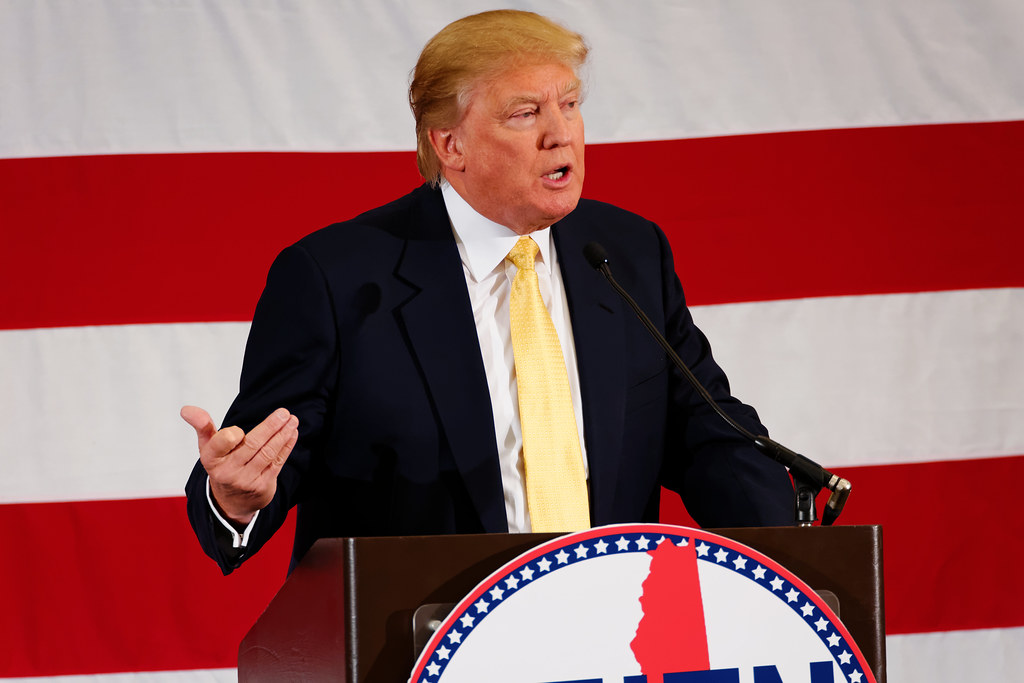
On Wednesday evening, Donald Trump surprised the nation with an unscheduled address. He launched into bold claims about Joe Biden’s policies. He said Biden forced “transgender for everybody” and freed 25 million people from prisons and mental hospitals. In truth, no such laws or releases exist. Furthermore, experts confirm inflation remains high, and the figures Trump cited are misleading.
Breaking down the Trump speech falsehoods
First, Trump insisted prices are dropping on his watch. Yet independent data show costs remain elevated. In fact, inflation at the end of Biden’s term was lower than current levels. Second, Trump pledged a “warrior dividend” of $1,776 for military personnel. However, he did not explain how he would pay for it. Critics called the promise a hollow campaign stunt.
Third, Trump attacked Biden’s record on gender and immigration. He claimed Biden pushed “transgender for everybody,” but no law mandates such a policy. He also said Biden let 25 million foreign inmates in from prisons and mental hospitals. That claim has no basis in reality. Immigration rules have, if anything, grown stricter under the current administration.
Social media erupts over the Trump speech
Within minutes, social media lit up with reactions. Veteran Republican pollster Sarah Longwell said she thought Trump’s speech was a joke. Democratic strategist David Axelrod called it a “Stephen Miller special.” Former GOP speechwriter Tim Miller labeled it embarrassing. Journalist John Harwood said Trump seemed totally divorced from reality.
On Twitter, former CNN reporter Jim Acosta denounced the “lie-o-rama” of recycled rally talking points. Democratic influencer Harry Sisson called the address a “total disaster,” noting Trump’s stumbles and incoherent rambling. From left and right, commentators agreed almost every statement needed fact checking. Progress Chamber analyst Tahra Hoops said the speech was packed with false economic claims.
Why Biden’s policies were misrepresented
Trump’s assertions about transgender rights and prison releases stem from a pattern of exaggeration. While Biden expanded certain protections for transgender Americans, he never issued a nationwide mandate labeled “transgender for everybody.” Similarly, there is no record of mass releases of prisoners or mental health patients tied to immigration.
Analysts say Trump uses extreme examples to stir emotion among his base. In contrast, Biden’s policy changes went through standard rulemaking and legislative processes. The stark difference shows how Trump’s narrative relies more on spectacle than factual accuracy.
What this means for Trump’s campaign
Trump’s economic poll numbers have dipped recently. He used this mystery speech to try to shift focus back to inflation and immigration. Yet, his heavy reliance on false claims risks alienating undecided voters. Many are tired of constant fact checks and crave clear, honest plans.
Despite this, some of Trump’s core supporters praised his bold tone. They see these speeches as a fight against media bias. Other voters, however, expressed frustration. They want concrete solutions on jobs, health care, and national security—not tall tales.
The power of real-time fact checking
This episode underlines how quickly misinformation can spread—and how fast people can correct it. Within seconds of the Trump speech, fact-checkers and news outlets began debunking his main claims. Social media users turned screenshots into viral memes, highlighting each error.
Such real-time scrutiny can cut both ways. While false statements can rally a base, being publicly exposed may weaken a candidate’s credibility with the broader electorate.
Network coverage and political fallout
Major networks chose to air Trump’s address live, citing its news value. Yet many warned viewers about expected falsehoods. Some anchors paused the broadcast to clarify key errors. Other outlets refused to reair the speech due to its inaccuracy.
Conservative media, by contrast, focused on Trump’s pledge to help the military and drive down prices. This split coverage underscores how partisan lenses shape public perception. Viewers saw either a message of hope or a montage of lies.
What’s next after the Trump speech
Trump plans more speeches in the coming weeks. He hopes these events will boost his standing on economic issues. Yet, his persistent use of false statements may hinder his long-term credibility. Voters weary of repeated corrections could turn to other candidates.
Meanwhile, the Biden campaign has seized the moment. They held events to directly counter Trump’s claims. This ongoing debate may define the next phase of the election, pitting spectacle against substance.
In the end, the Trump speech illustrated the modern challenges of political communication. It showed how instant fact checking and social media reactions can undercut a narrative. Above all, it reminded us that in today’s landscape, truth still matters.
Frequently asked questions
What was the main false claim in the Trump speech?
Trump said Biden created “transgender for everybody” and released 25 million people from prisons and mental hospitals. No evidence supports those claims.
How did experts react to the Trump speech?
Pollsters, strategists, journalists, and economists across the spectrum criticized the speech for its inaccuracies and lack of concrete policy details.
Did Trump unveil any viable policy during the speech?
He proposed $1,776 checks for the military but offered no clear plan for funding or implementation.
Can a speech filled with false claims still benefit a campaign?
It may energize a loyal base, but repeated falsehoods can erode trust among undecided or moderate voters.